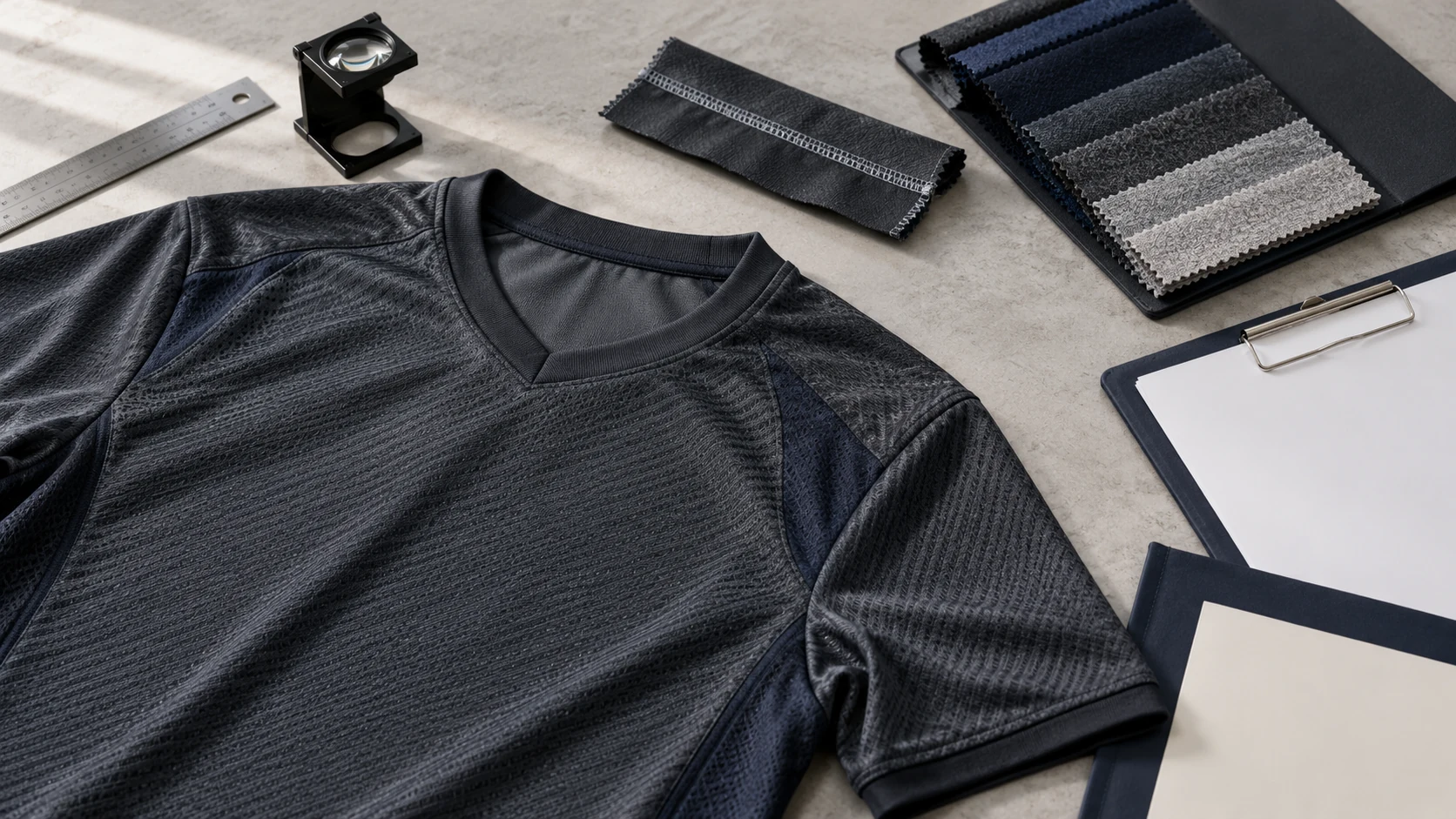
THE OPENING READ ↗Buying & Project Planning13 min read
For a UK grassroots club, start by choosing how you want to buy: personalised stock kit, a managed club shop, or a planned bespoke order. Then compare suppliers against the same kit list, size range, personalisation needs and reorder plan. This guide compares nine suppliers serving UK clubs using the same six published criteria. KITOEM publishes this guide and is described separately, outside the ranking. Confirm current product availability and commercial terms with each supplier before placing an order.
Read the guide → PROCUREMENT LIBRARY
PICK YOUR NEXT
ADVANTAGE.
Each guide expands a real procurement question and points back to the relevant product, material or project route.
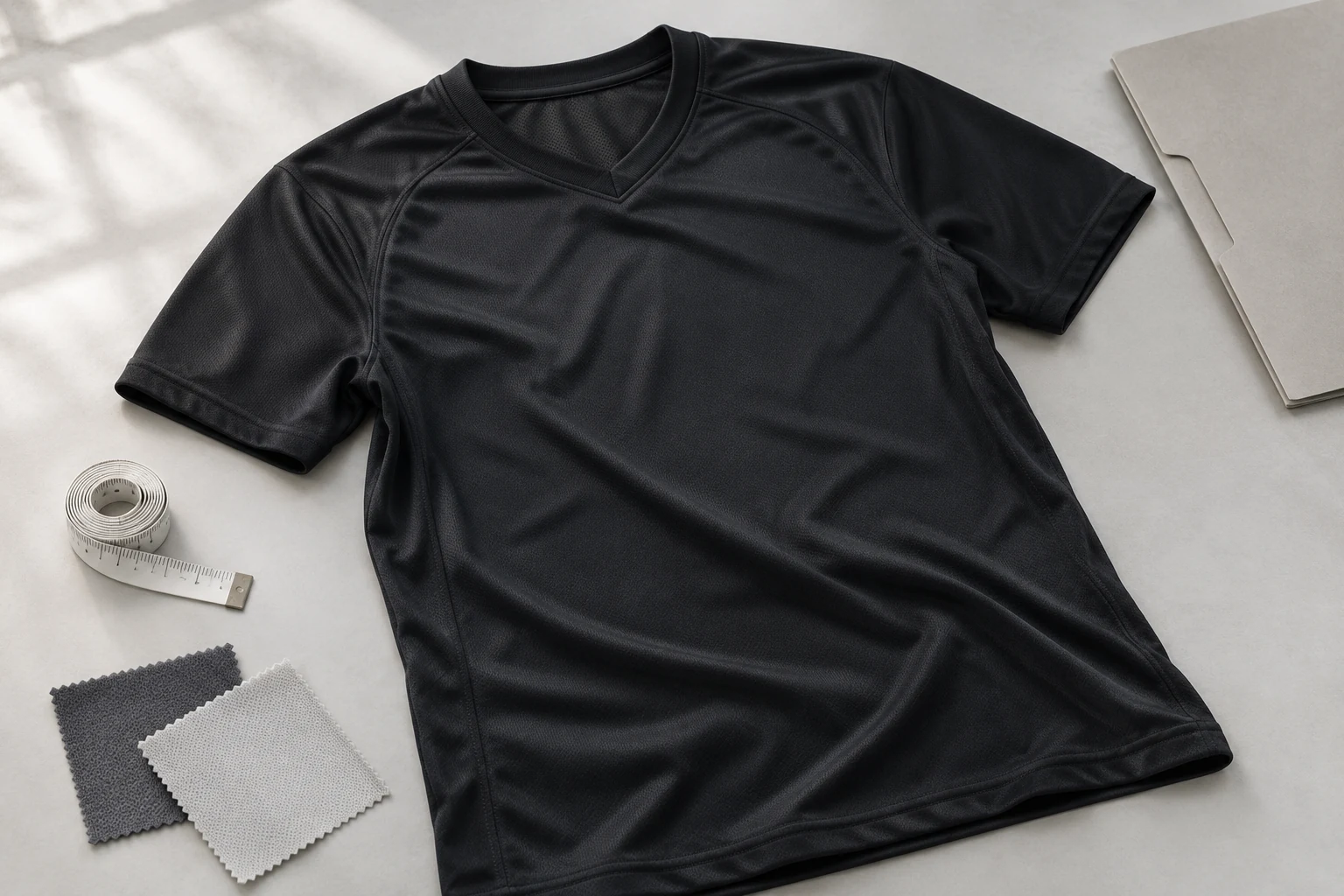
Buying & Project Planning10 min read
To switch teamwear suppliers, first identify the product references you can share, define what must stay consistent, and ask the replacement manufacturer to review the gaps before quoting. Then approve the relevant materials, fit and decoration on identified samples before releasing bulk production. A photograph, an old jersey and a size label are useful starting points, but they do not establish a complete manufacturing specification.
Read the guide →Buying & Project Planning10 min read
Verify the legal counterparty, payment path, production evidence, sample scope and order documents as one connected evidence chain before money changes hands.
Read the guide →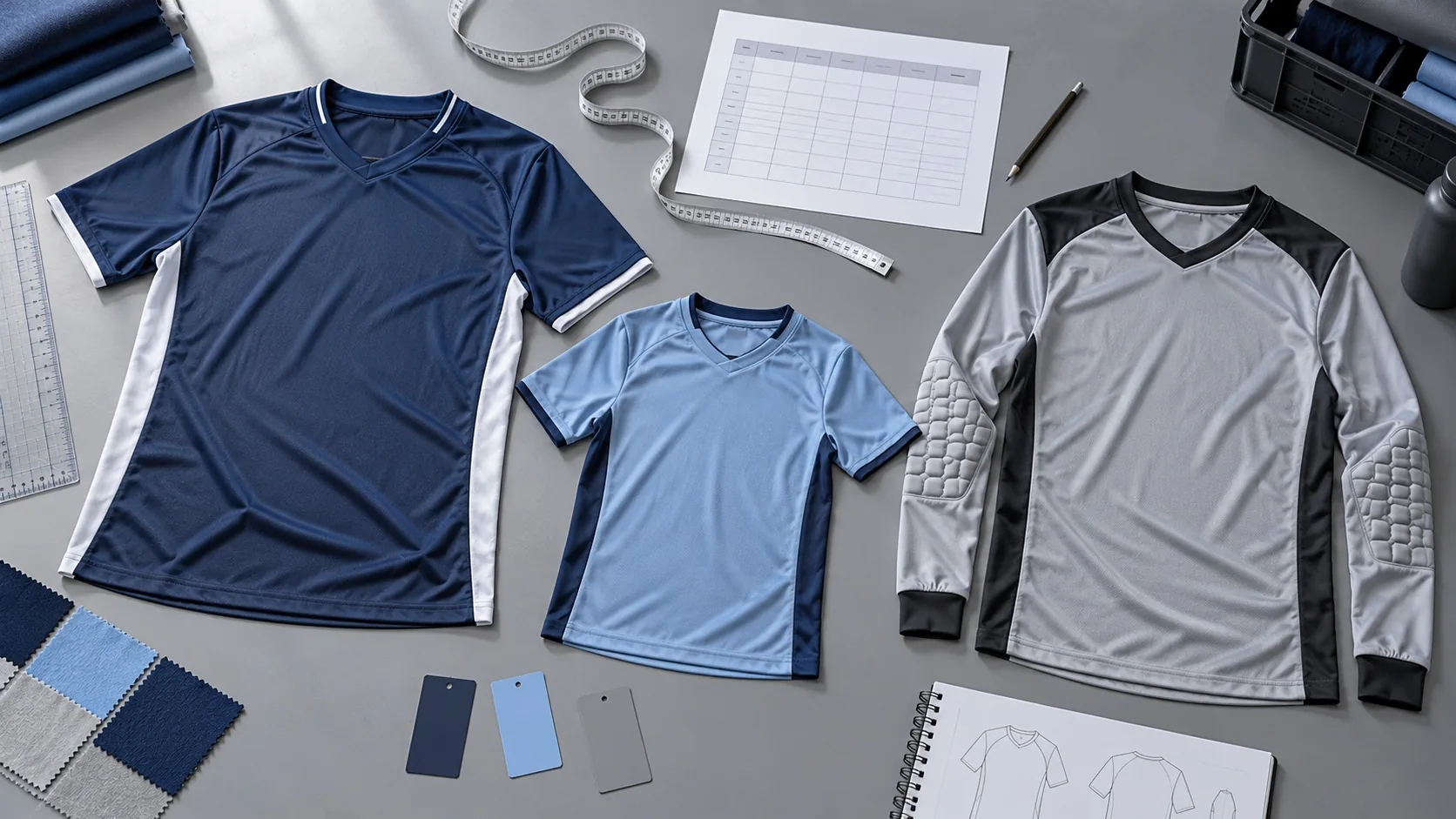
Buying & Project Planning14 min read
Choose the approved garment and fit evidence first, then collect one version-controlled roster that connects every wearer to a product, size and personalisation record.
Read the guide →
Buying & Project Planning9 min read
Protect match-day essentials first, price every product and approval separately, and keep contingency visible instead of forcing the supplier to hide cost inside one package figure.
Read the guide →
Buying & Project Planning10 min read
Separate arrival, freight, inspection, bulk production and every approval, then put an owner and exit condition on each stage before promising a date.
Read the guide →
Buying & Project Planning11 min read
A repeat order is reliable only when the first order preserves the product identity, approved files, material references, minimums, pricing logic and change procedure needed to reproduce it.
Read the guide →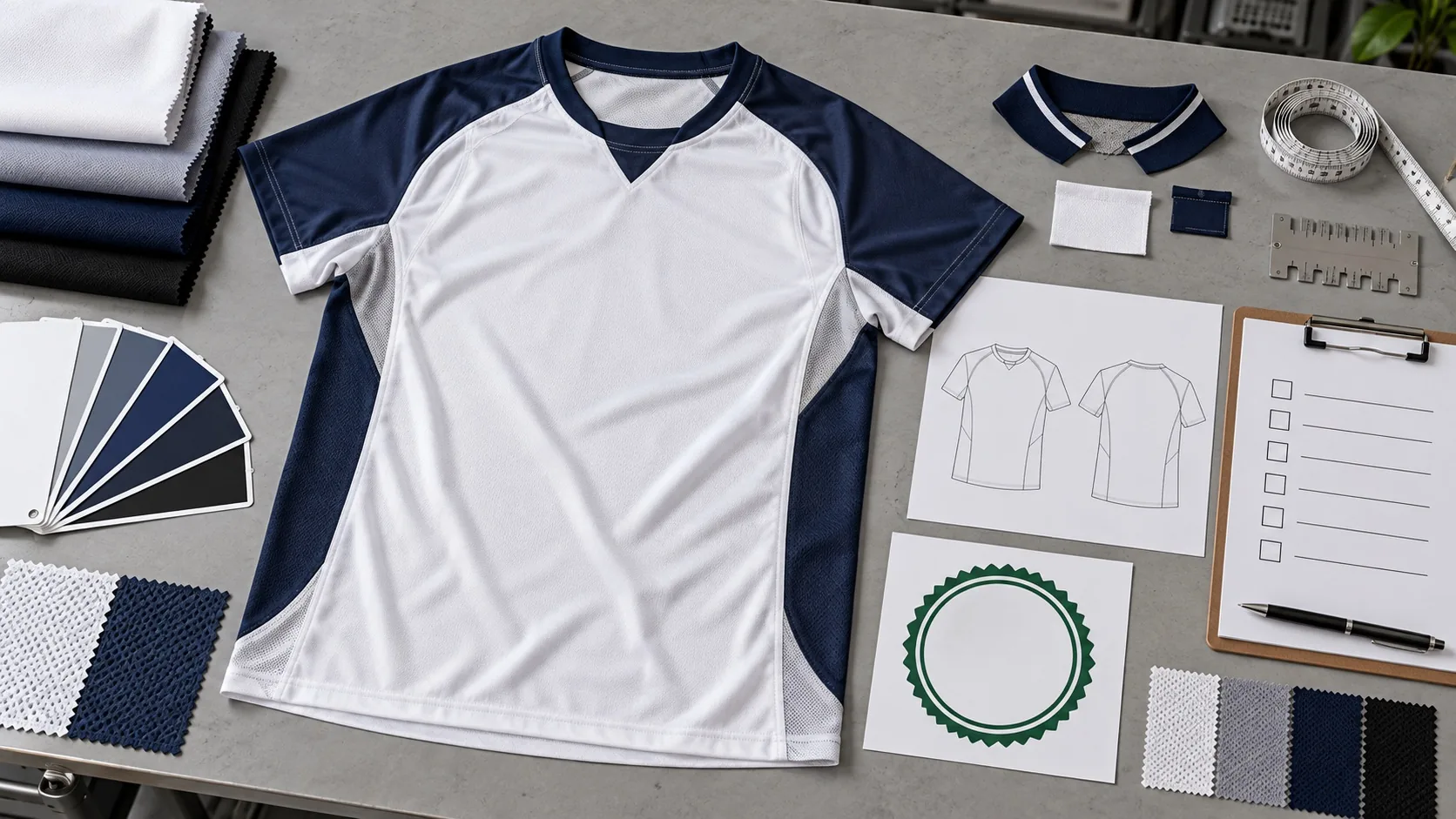
Product Development8 min read
Approve a named sample for a defined purpose against controlled files, then carry that evidence into a separate bulk inspection plan.
Read the guide →
Buying & Project Planning10 min read
MOQ can be constrained by style, colour, fabric, print layout, trim, personalisation or production setup, so buyers need a written matrix rather than one headline number.
Read the guide →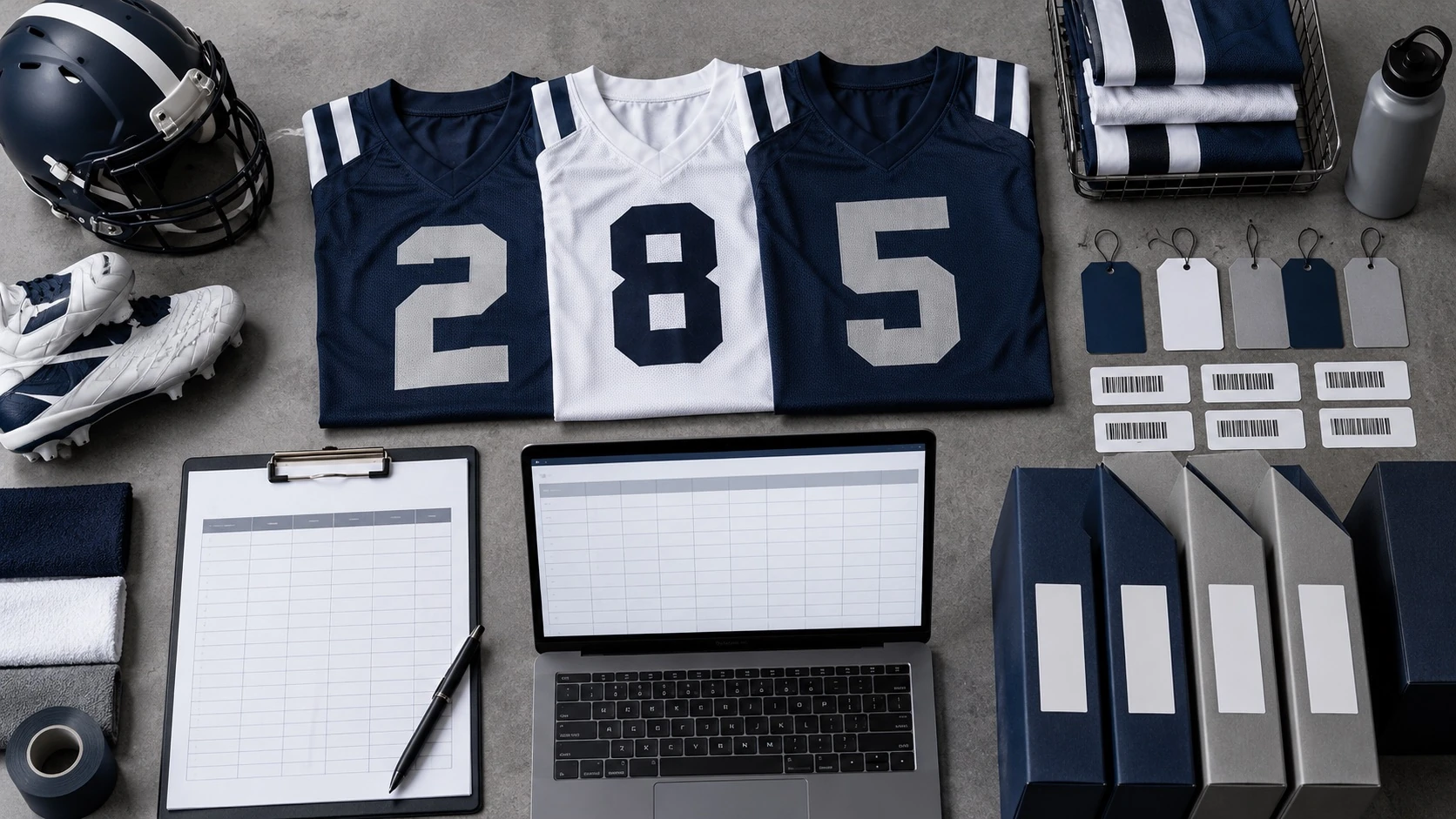
Buying & Project Planning11 min read
Use one controlled roster that links each wearer or stock allocation to the exact product, size, personalisation and packing instruction, with explicit version approval.
Read the guide →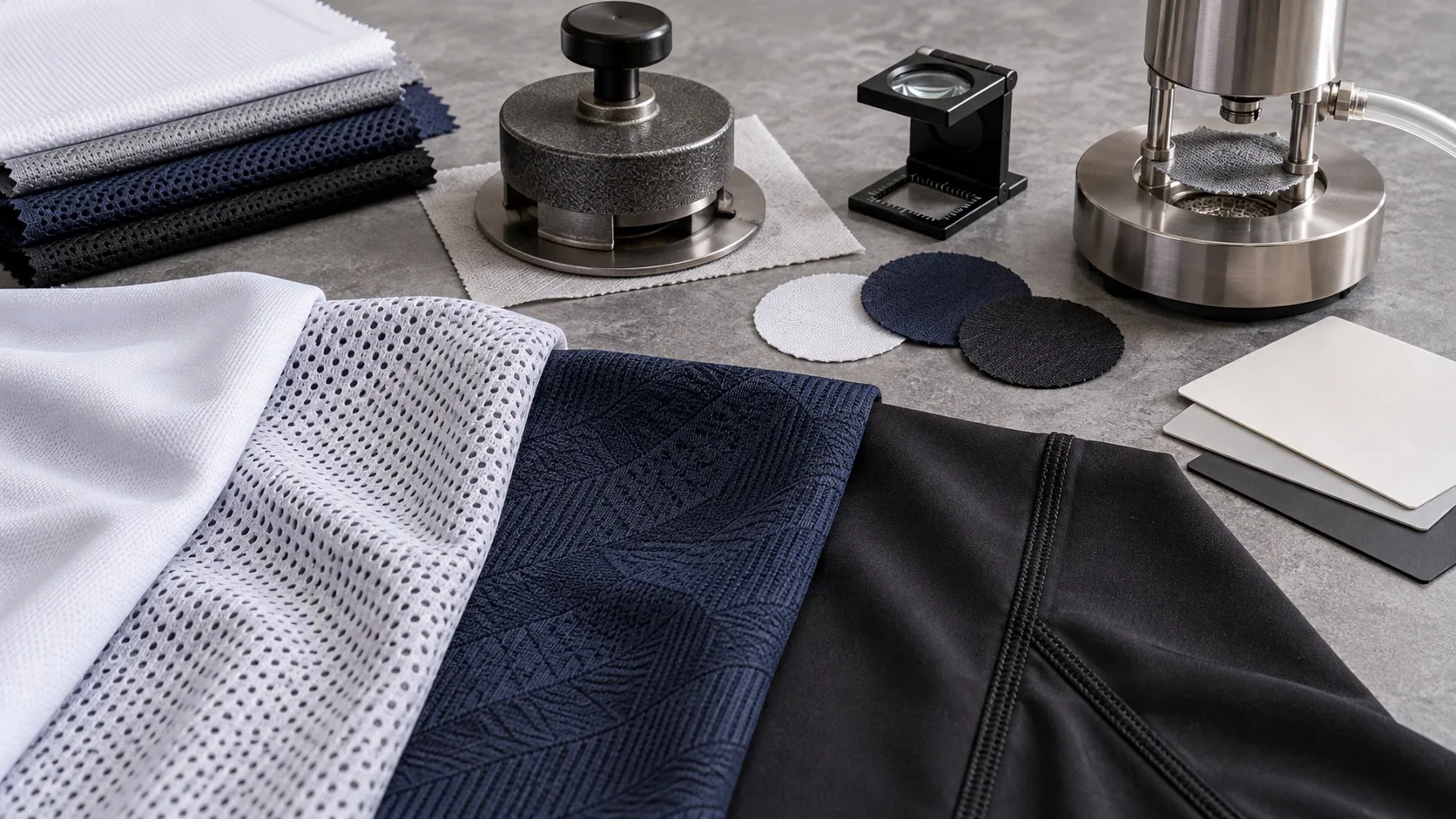
Materials & Fabrics10 min read
Compare football jersey fabrics by fibre, knit structure, GSM, airflow, moisture behaviour, stretch, opacity, print compatibility and test evidence—not marketing names alone.
Read the guide →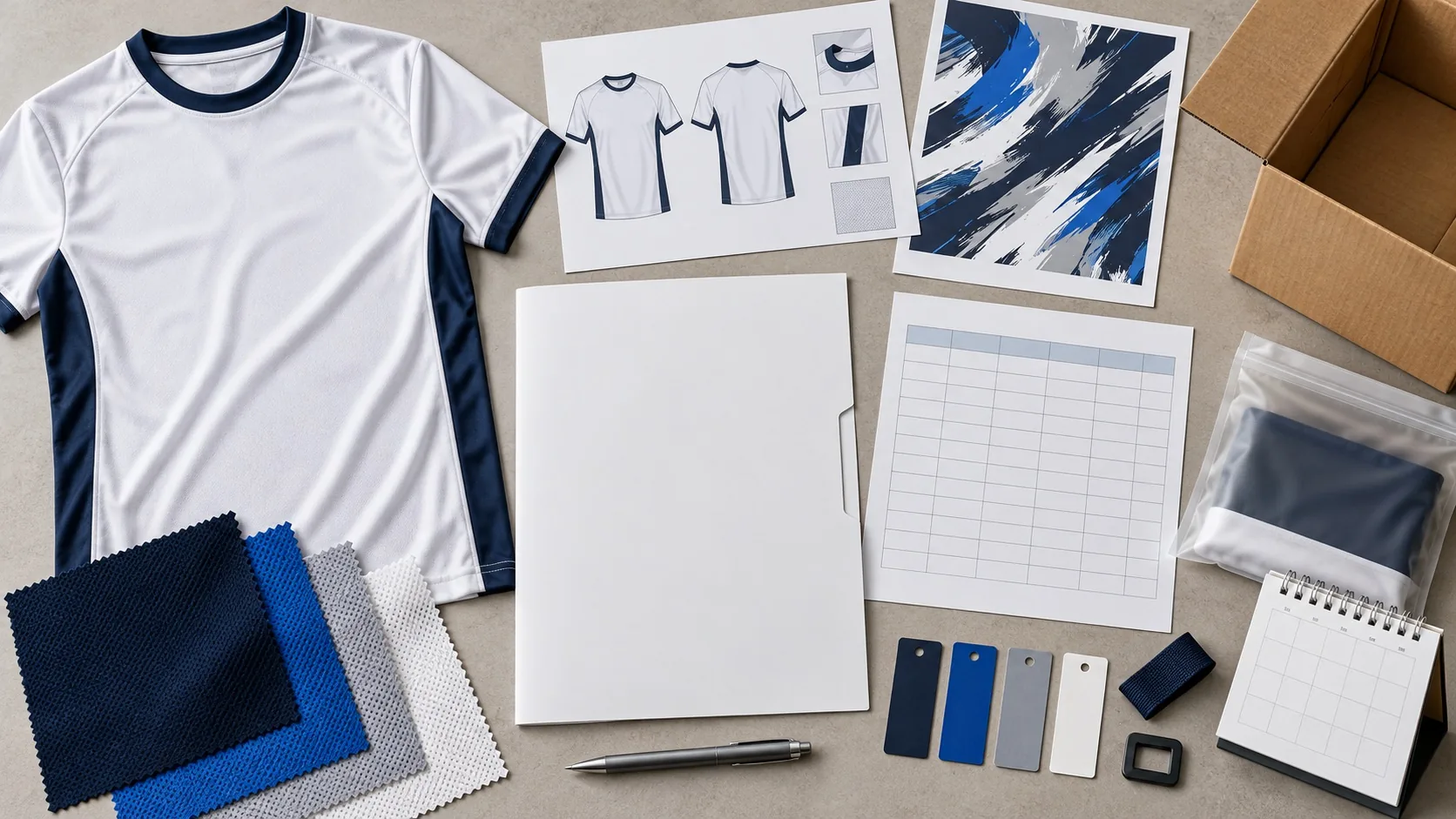
Buying & Project Planning10 min read
A quote-ready RFQ separates known requirements, targets and open questions, gives quantities by product and asks every supplier to return the same commercial breakdown.
Read the guide →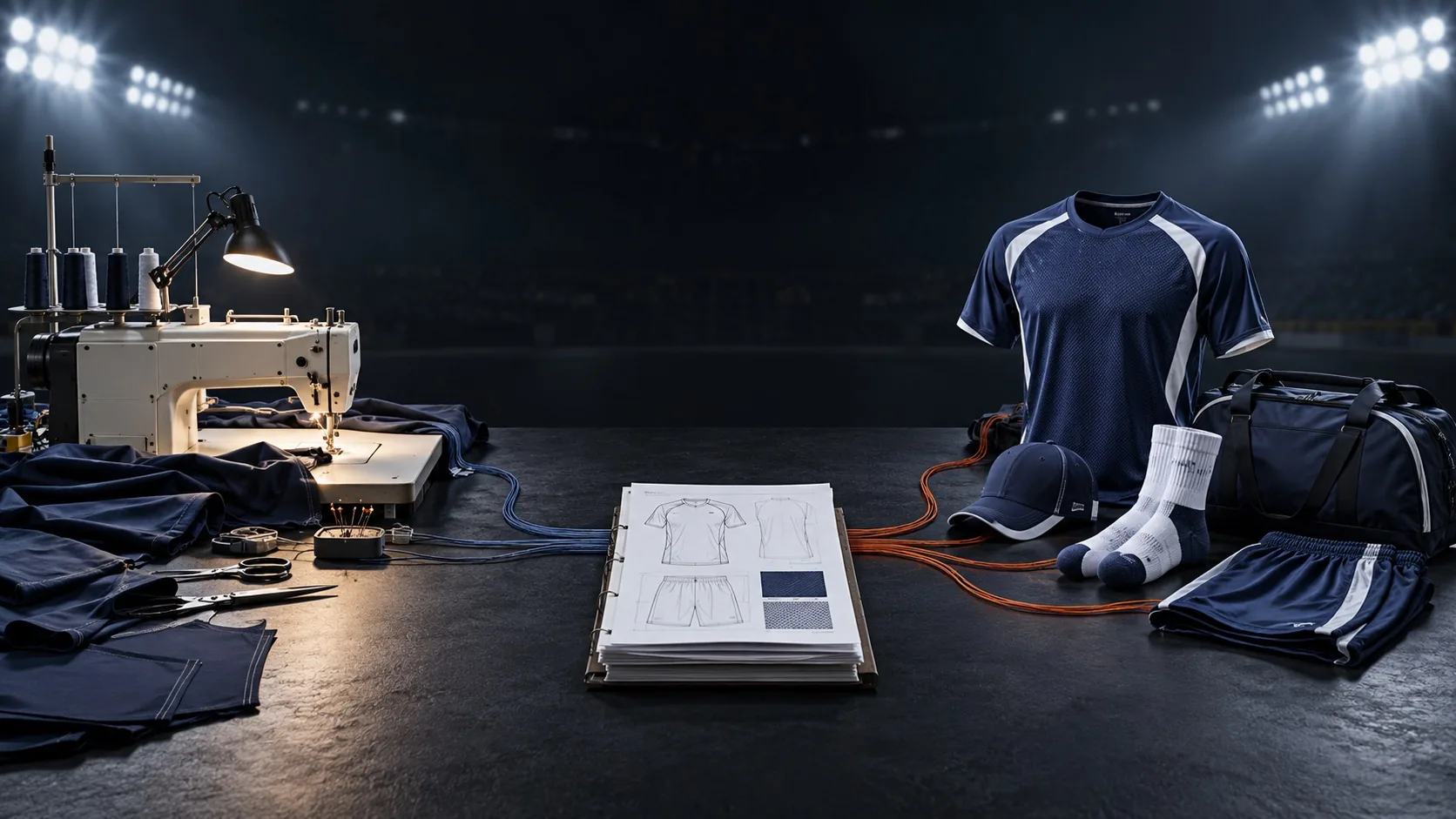
Buying & Project Planning6 min read
Compare factory-led and trading-company-led sportswear sourcing by product depth, multi-category coordination, quotation scope, quality responsibility and repeat-order control.
Read the guide →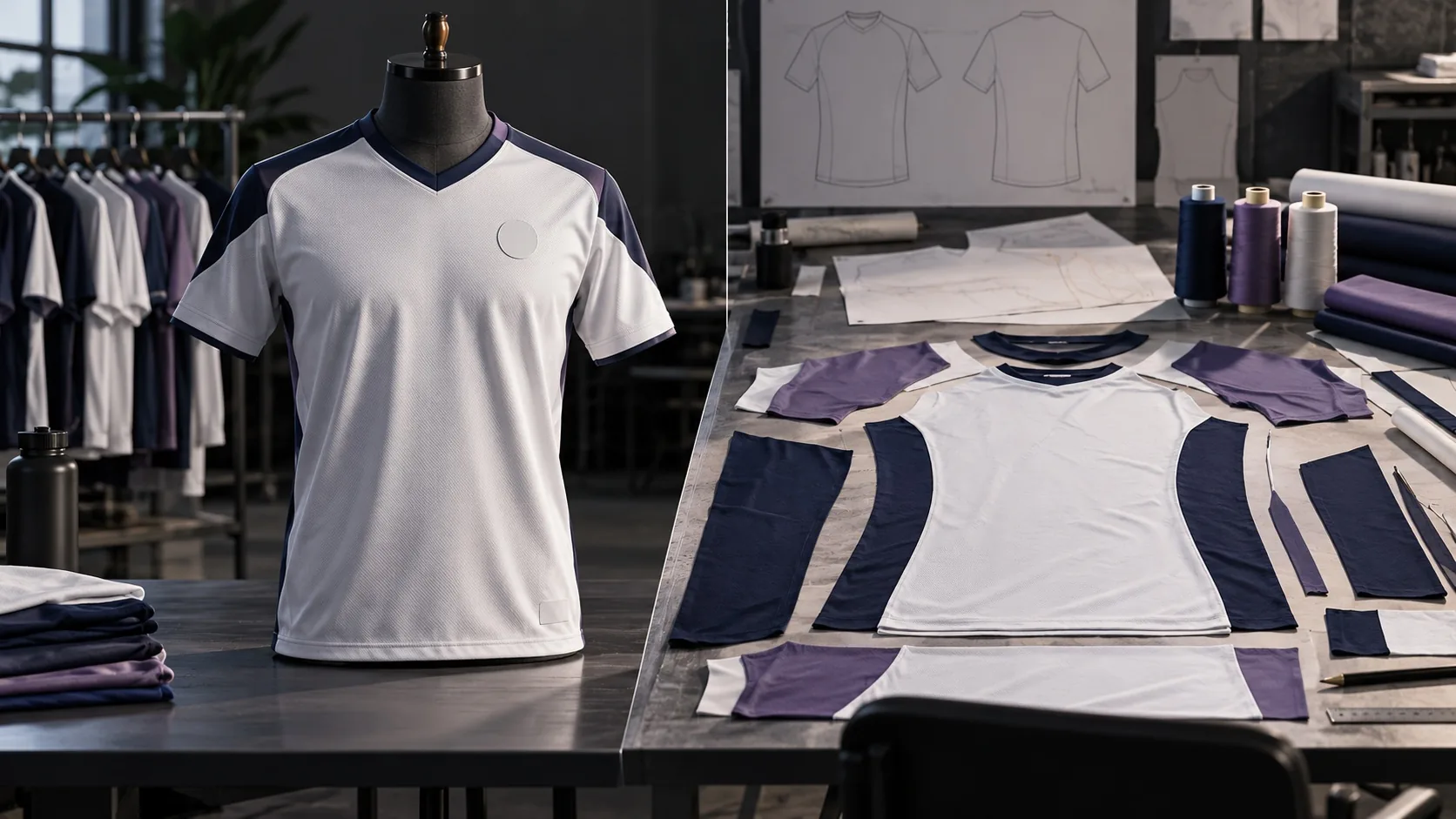
Buying & Project Planning5 min read
Compare stock-garment customisation with full cut-and-sew development across product changes, samples, quantities, timing, stock risk and repeat orders.
Read the guide →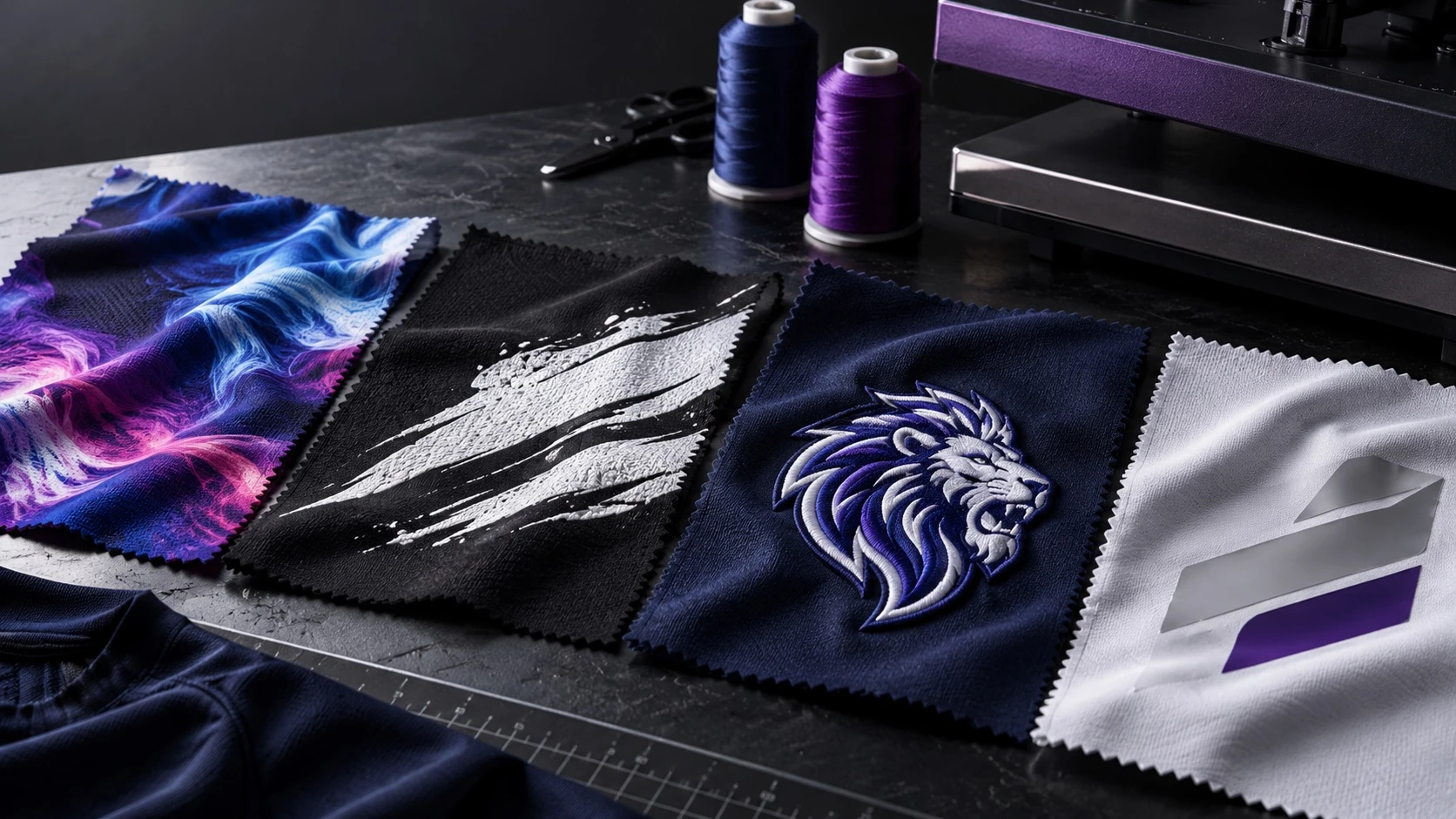
Product Development5 min read
Compare the artwork coverage, garment construction and fabric before choosing between an existing garment and a fully custom design. For brand, club, school and event buyers; discuss your requirements with KITOEM in Xiamen, China.
Read the guide →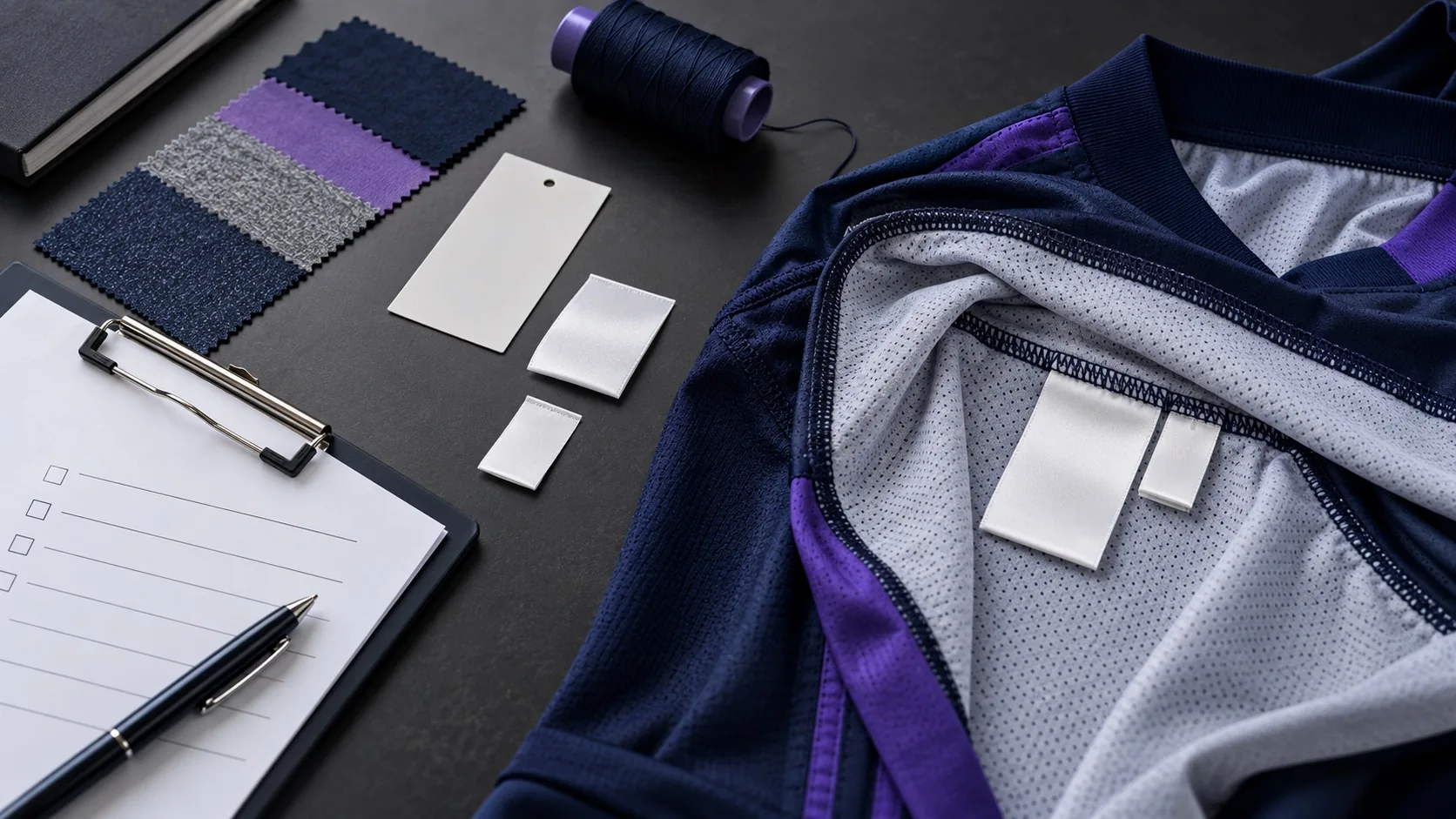
Buying & Project Planning4 min read
Review fiber content, country of origin, responsible business identity, care instructions, label evidence and approval for U.S.-bound sportswear.
Read the guide →Buying & Project Planning9 min read
Compare bulk teamwear with the approved specification and sample, then record material, measurement, workmanship, personalisation, quantity, packing and corrective-action results in one inspection file.
Read the guide →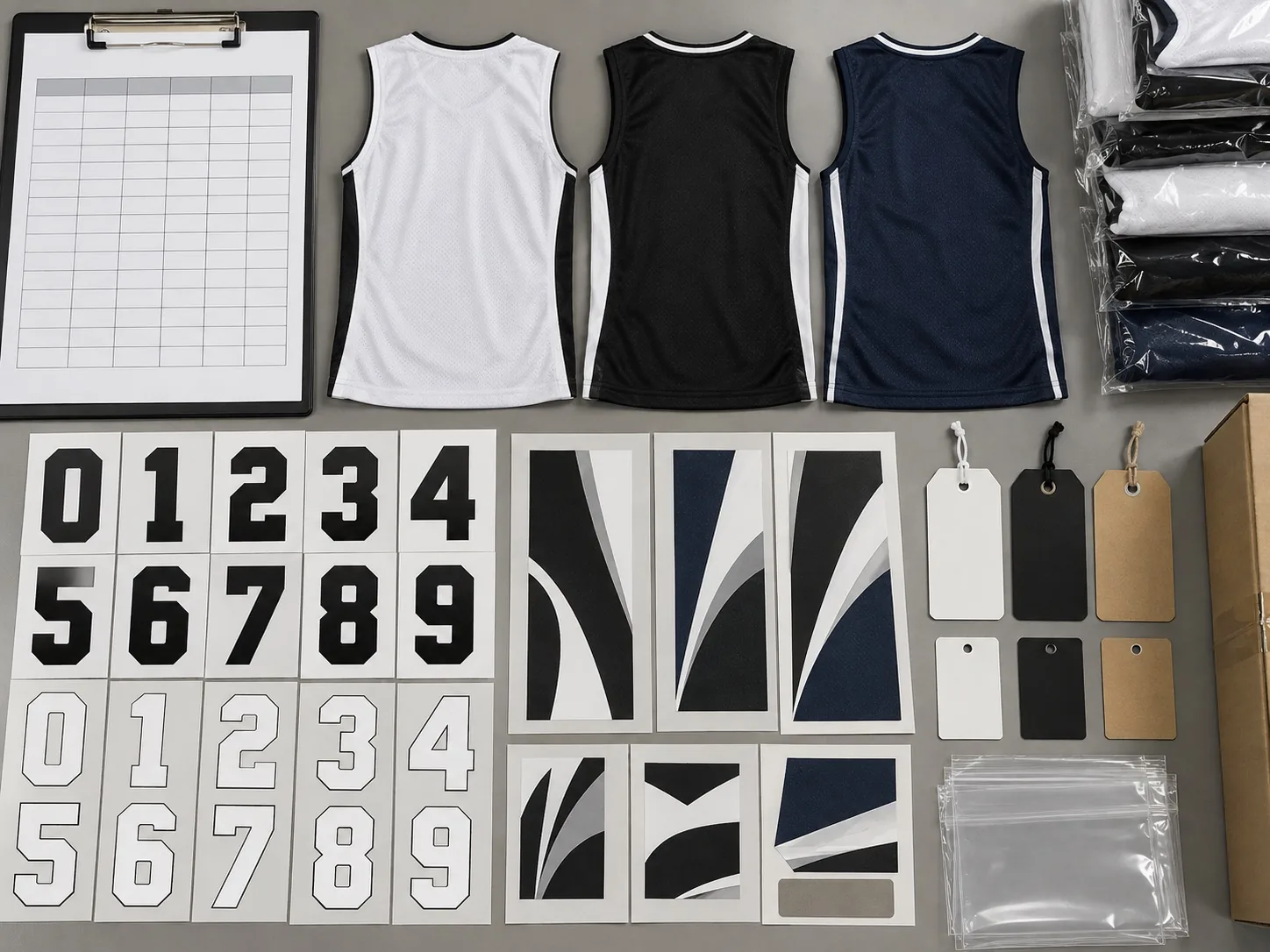
Buying & Project Planning9 min read
Turn a multi-team, multi-role apparel order into person packs, team cartons and a controlled handover that can be reconciled against the roster and packing list.
Read the guide →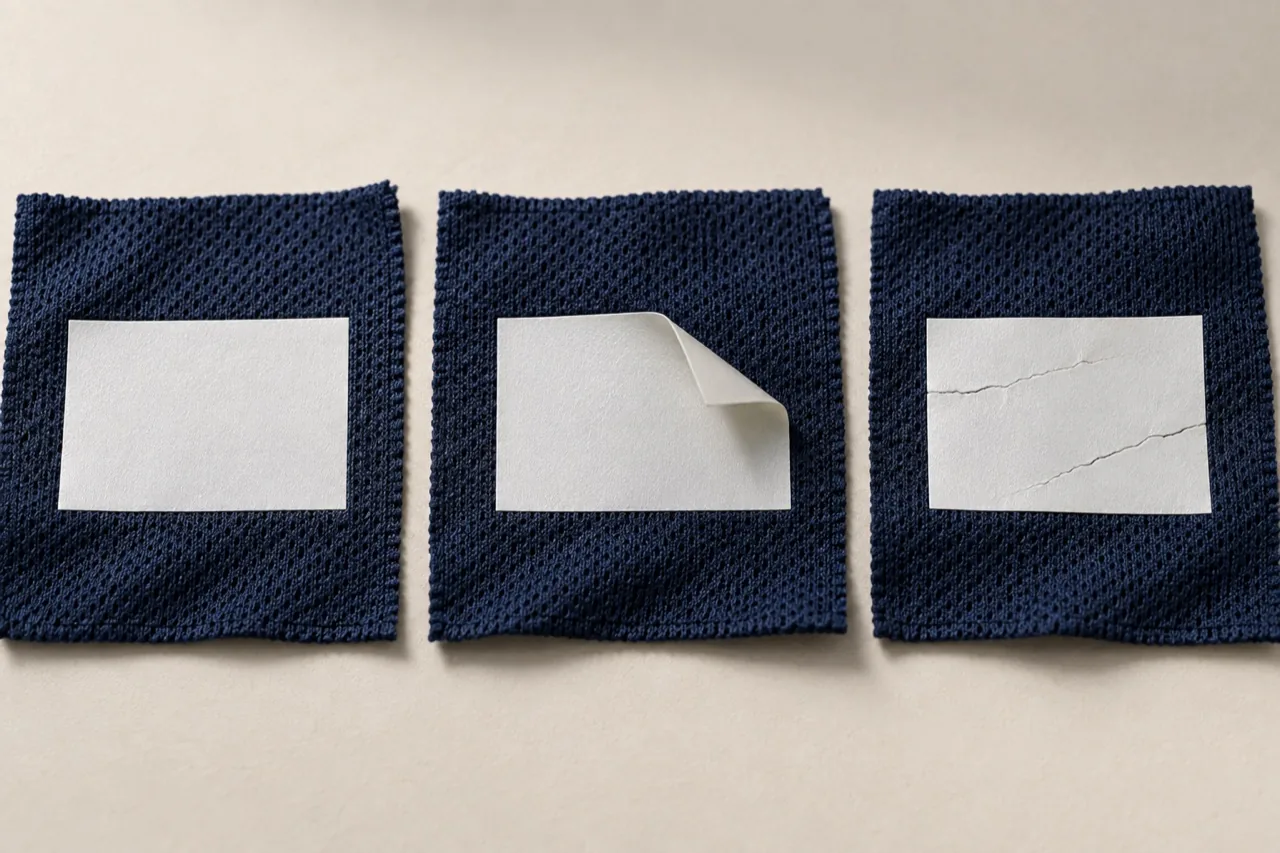
Product Development15 min read
Learn how to distinguish lifting, cracking and dye migration on jersey numbers, and what to examine in the fabric, transfer and application process.
Read the guide →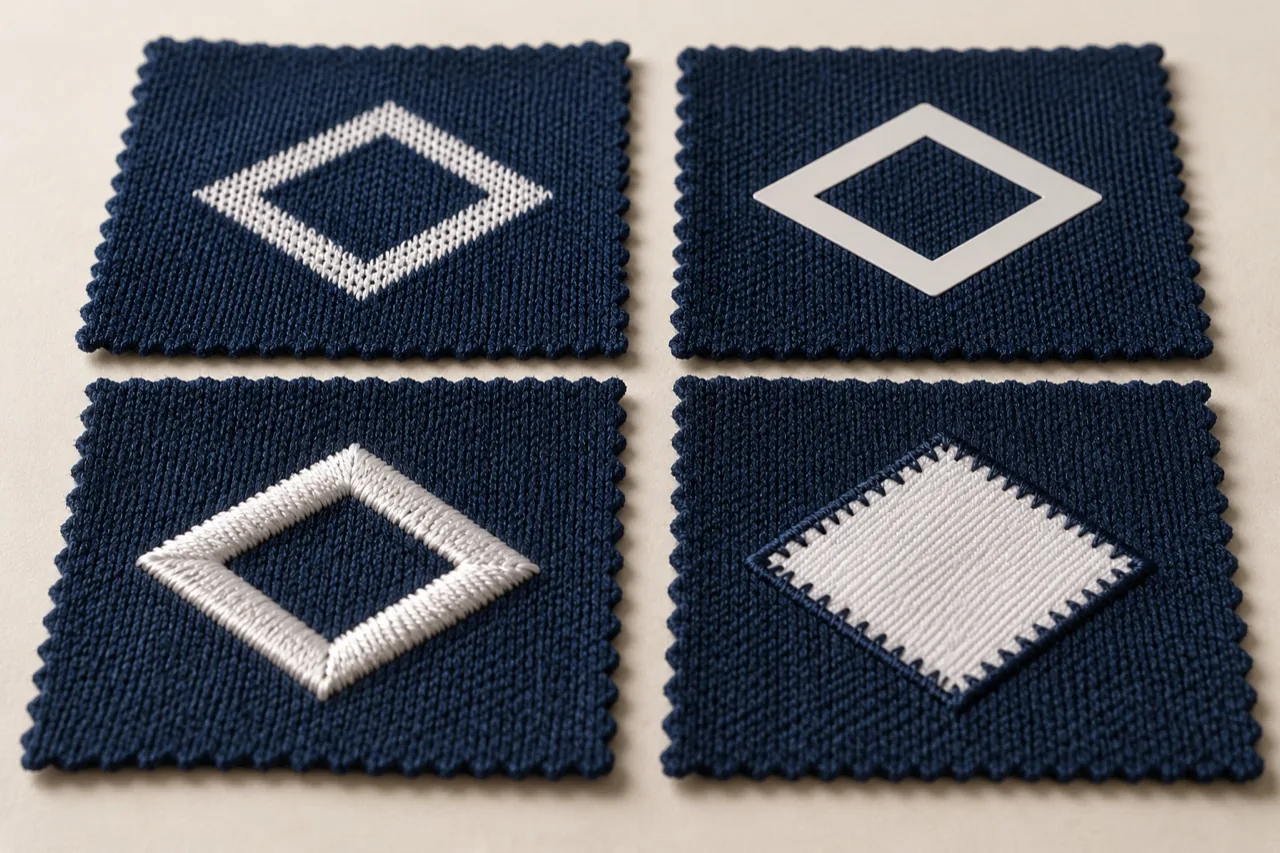
Product Development15 min read
Compare jersey decoration by surface feel, flexibility, backing and design detail, with practical checks for sublimation, heat transfers, embroidery and appliqué.
Read the guide →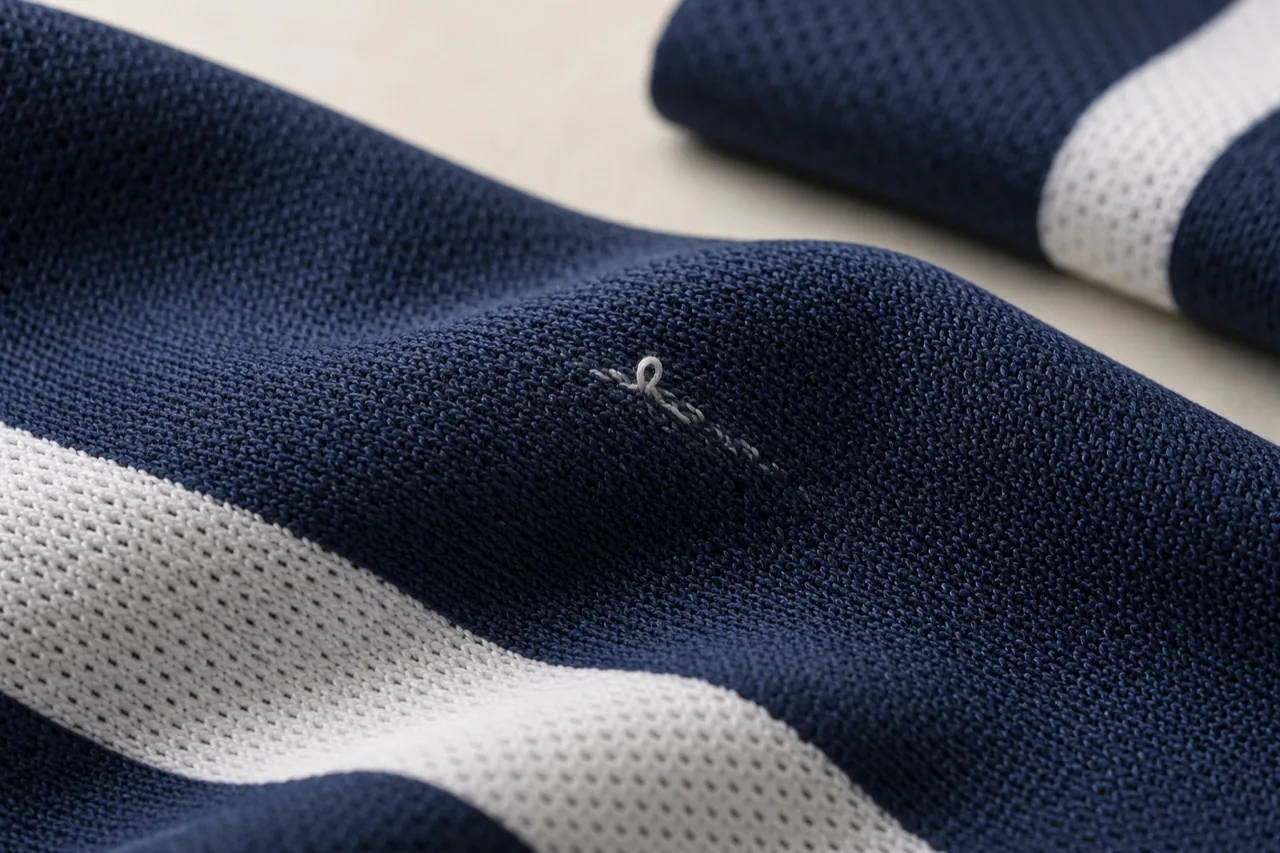
Materials & Fabrics15 min read
Understand white snag marks on sublimated jerseys, distinguish yarn damage from print peeling, and evaluate fabric durability without relying on weight alone.
Read the guide →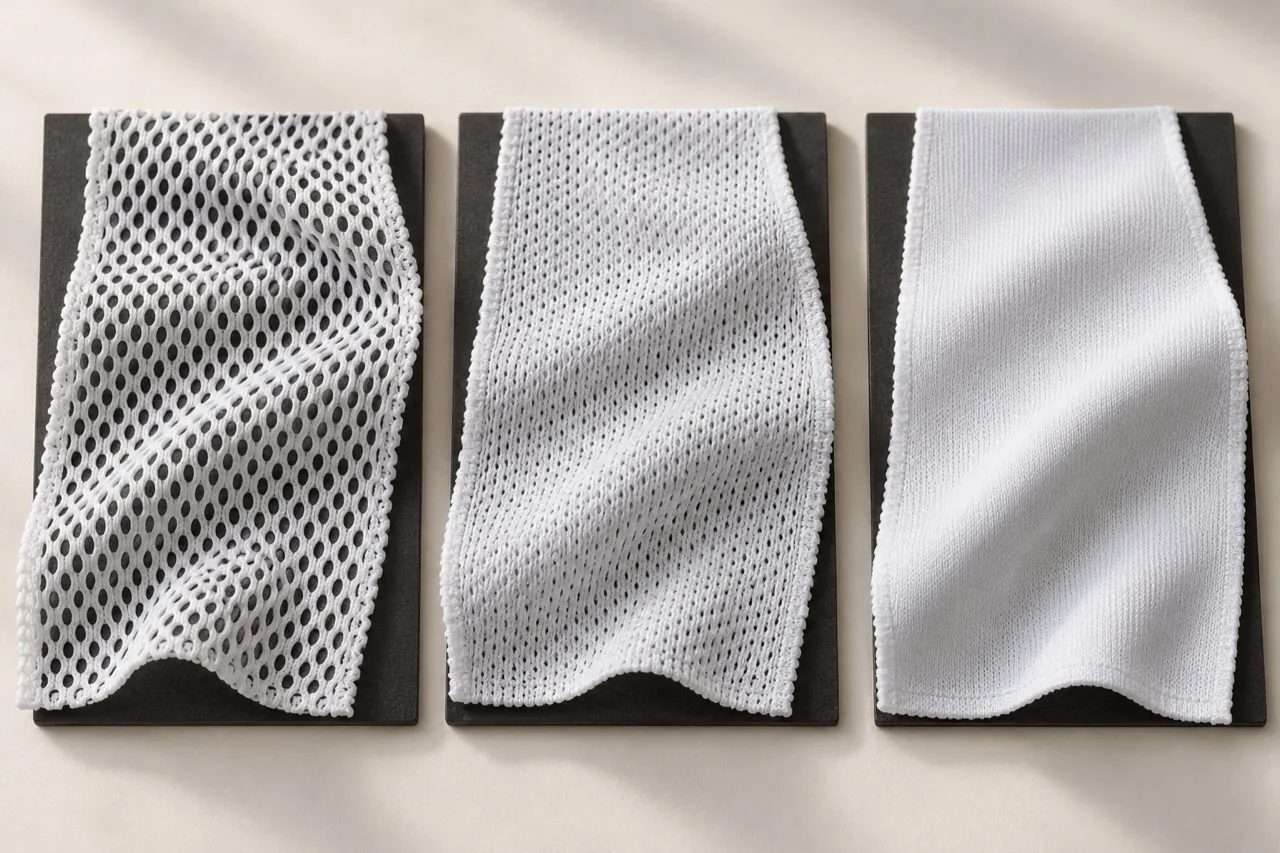
Materials & Fabrics15 min read
Evaluate white jersey coverage in the finished garment, including knit structure, fit, backing contrast and damp conditions, without relying on GSM alone.
Read the guide →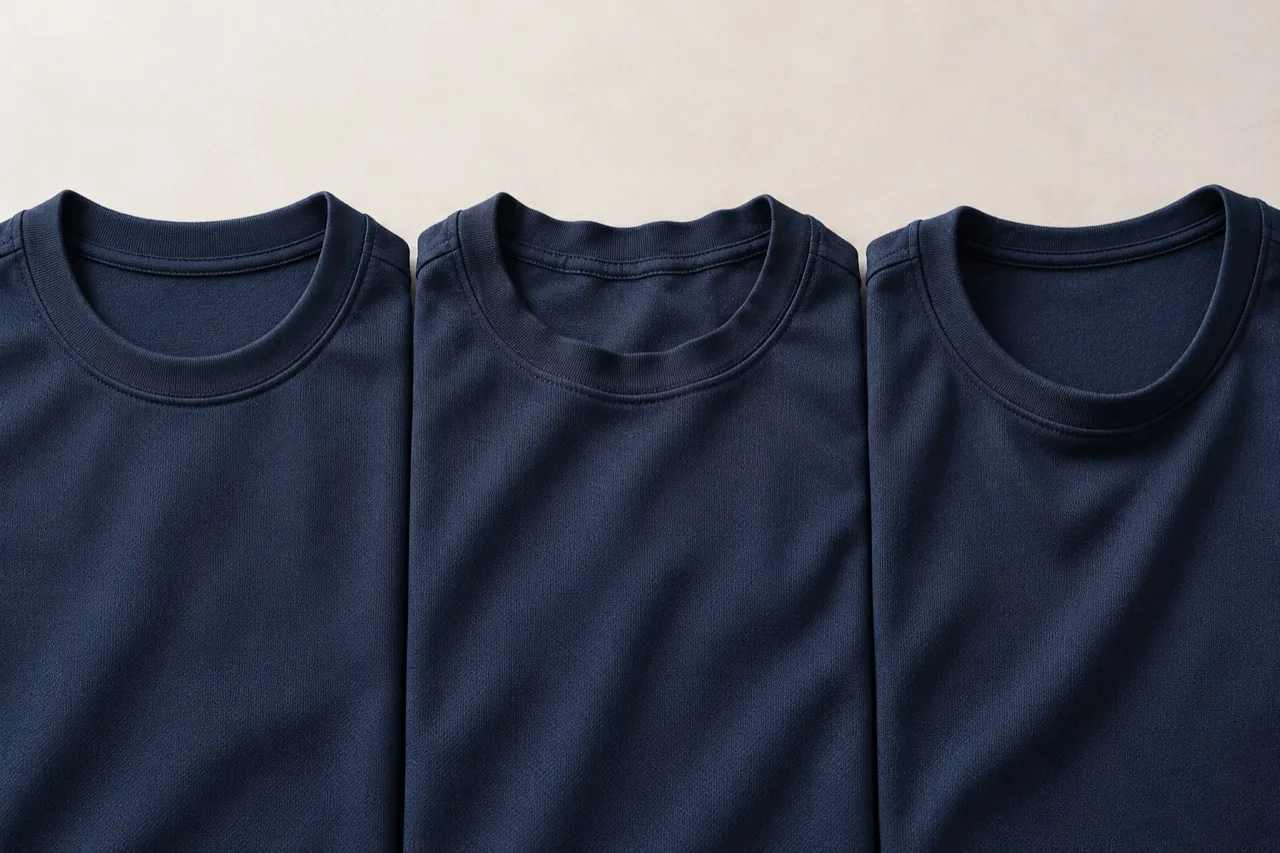
Product Development15 min read
Distinguish a loose jersey neckline from seam puckering and poor recovery, then review the neckband, body fabric and sewing as a complete assembly.
Read the guide →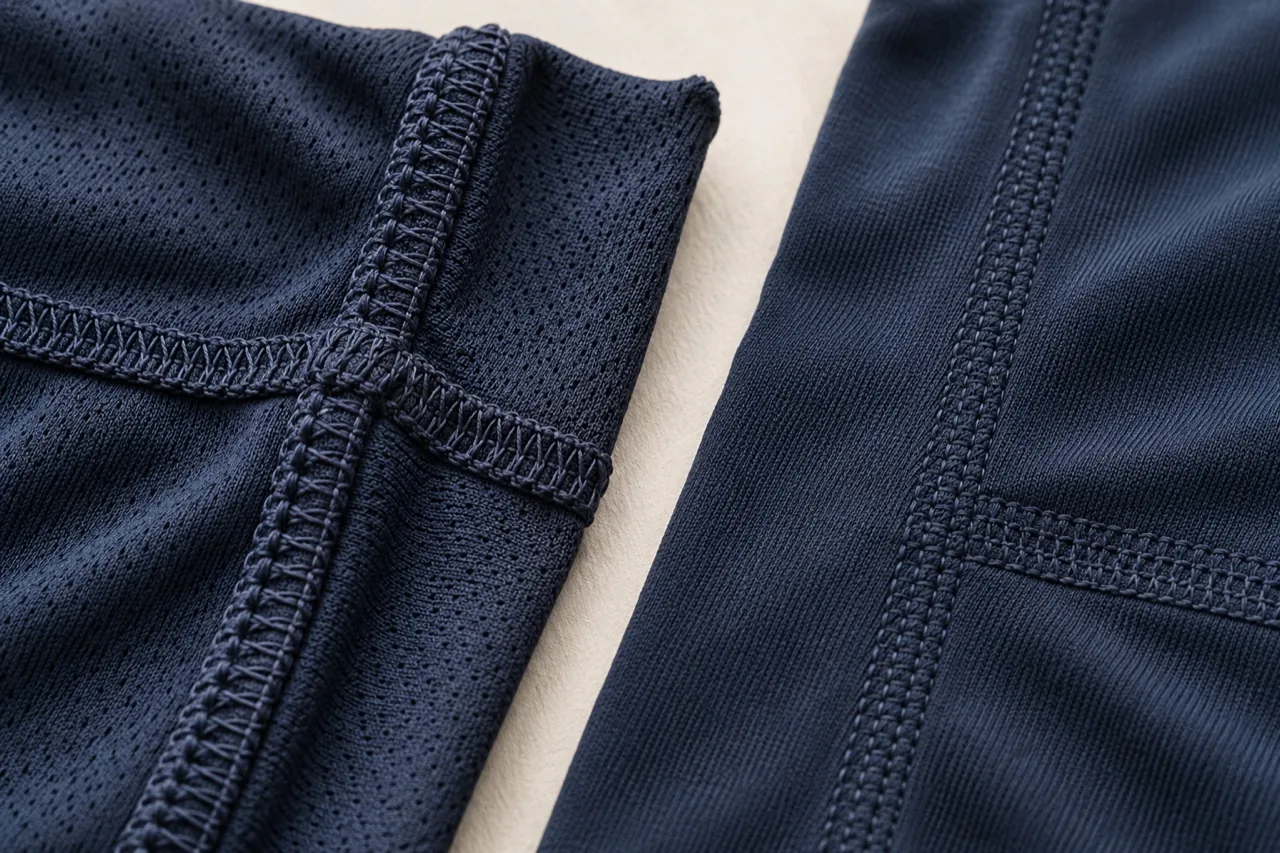
Product Development15 min read
Explore how seam placement, bulk, thread feel and stretch influence sportswear comfort, and why a flat-looking seam still needs a movement-based review.
Read the guide →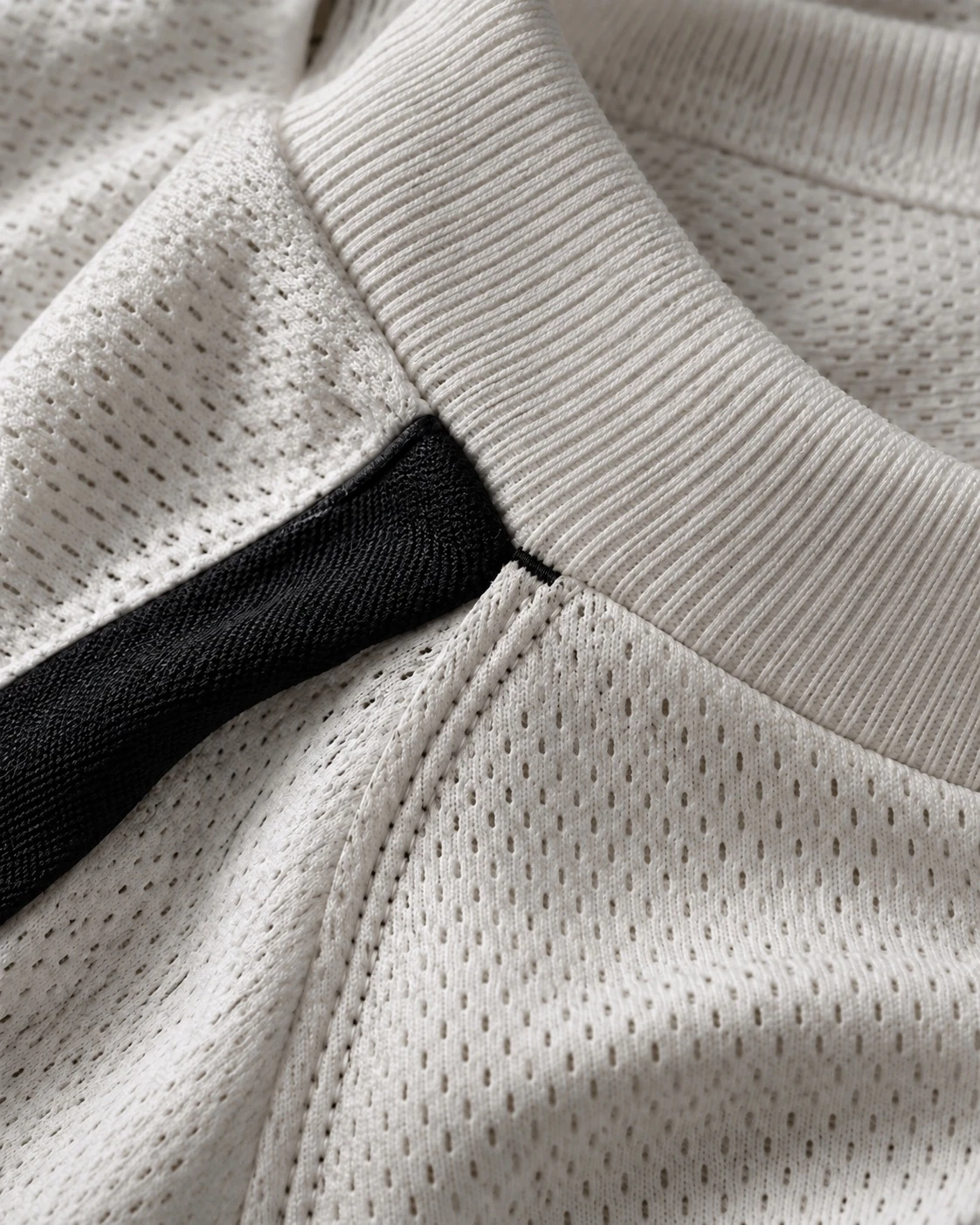
Materials & Fabrics7 min read
Choose running-shirt fabric by climate, coverage, artwork and wearing conditions. Compare mesh and smooth knit with a named swatch record and a focused garment trial.
Read the guide →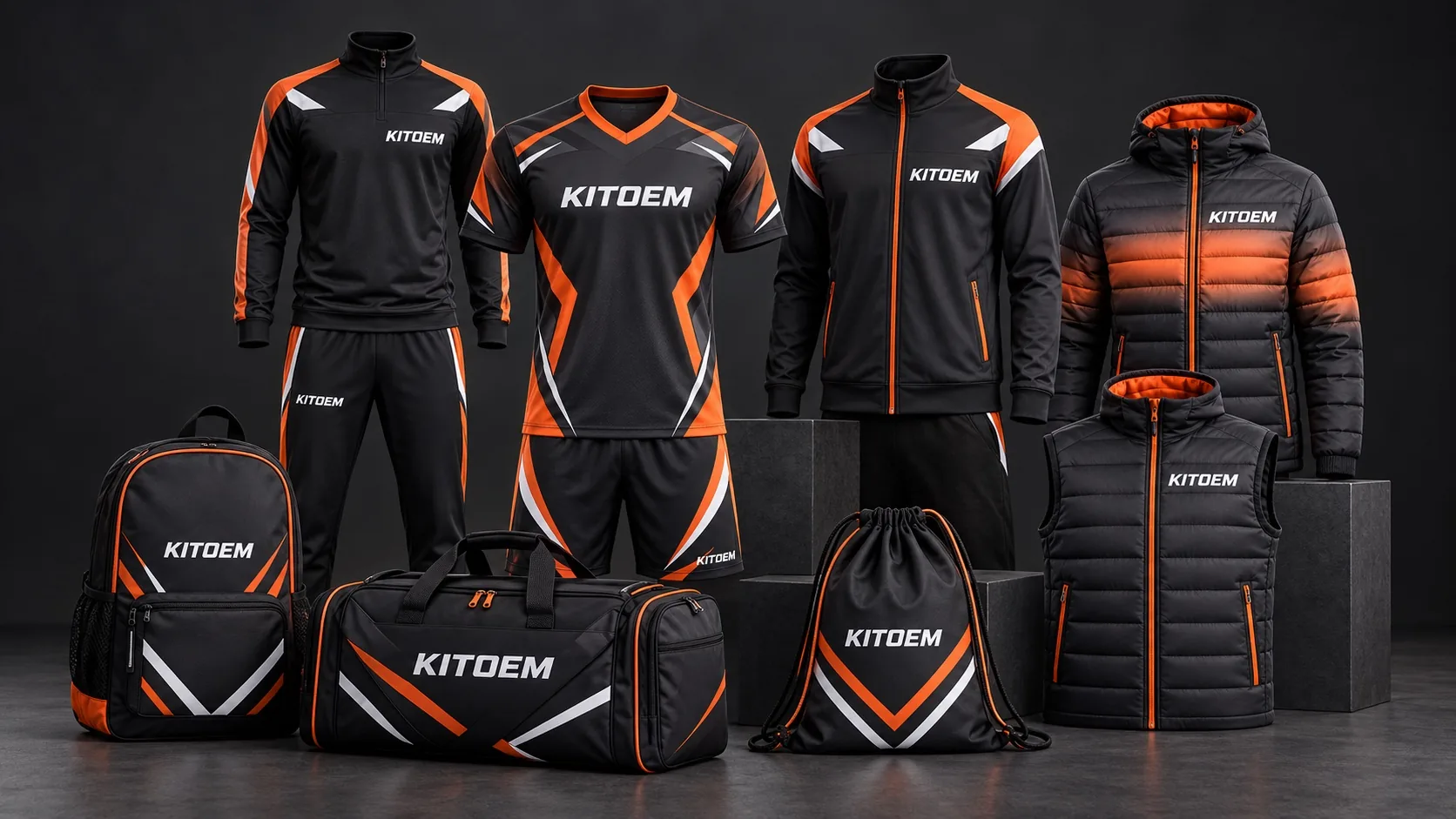
Buying & Project Planning6 min read
Compare shirts, sets and separate accessories on one RFQ version, then reconcile sampling, decoration, packing and delivery scope before choosing a supplier.
Read the guide →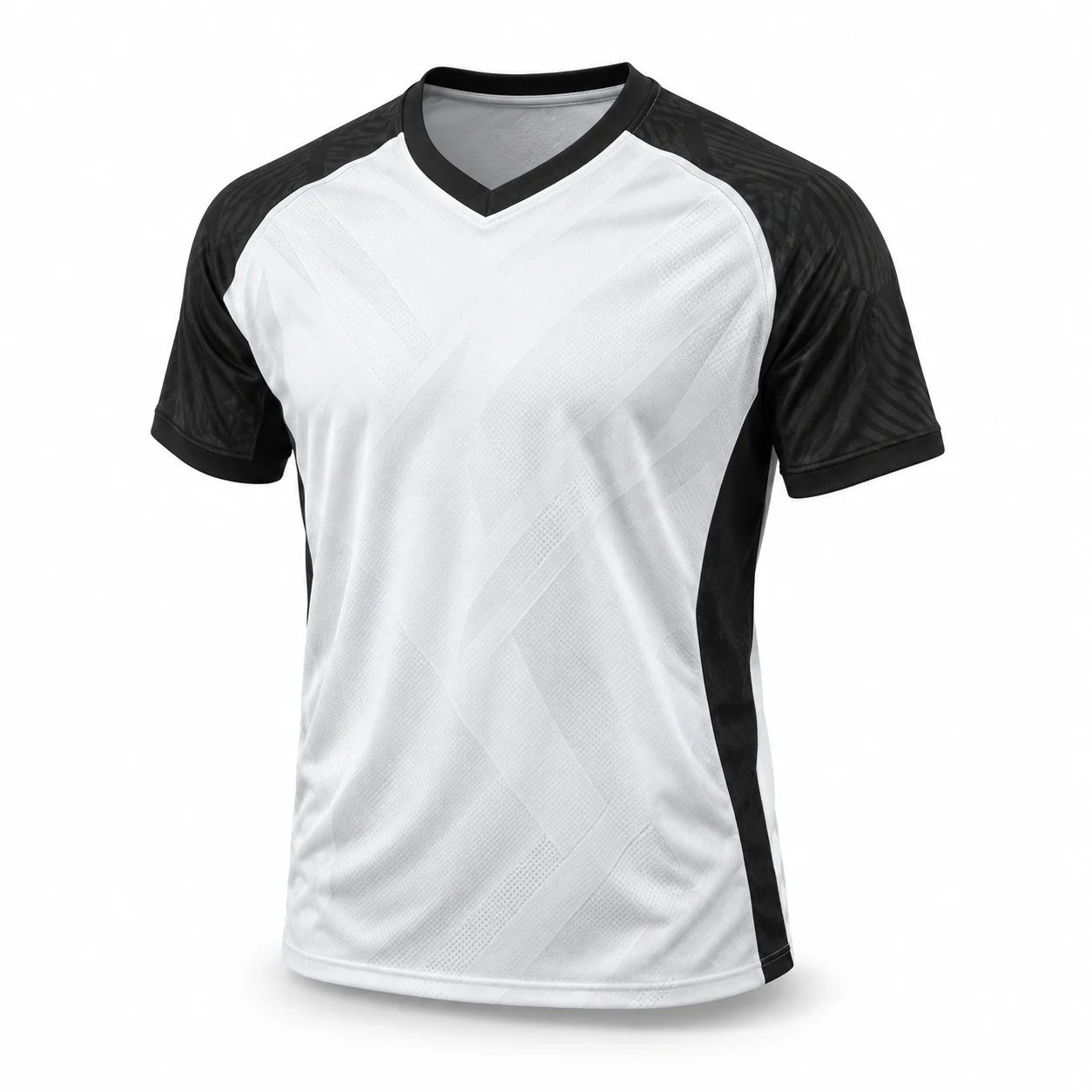
Buying & Project Planning8 min read
Build a football kit RFQ with separate shirts, shorts and socks, a controlled player roster, goalkeeper variations and a clear handover from artwork to sample approval.
Read the guide →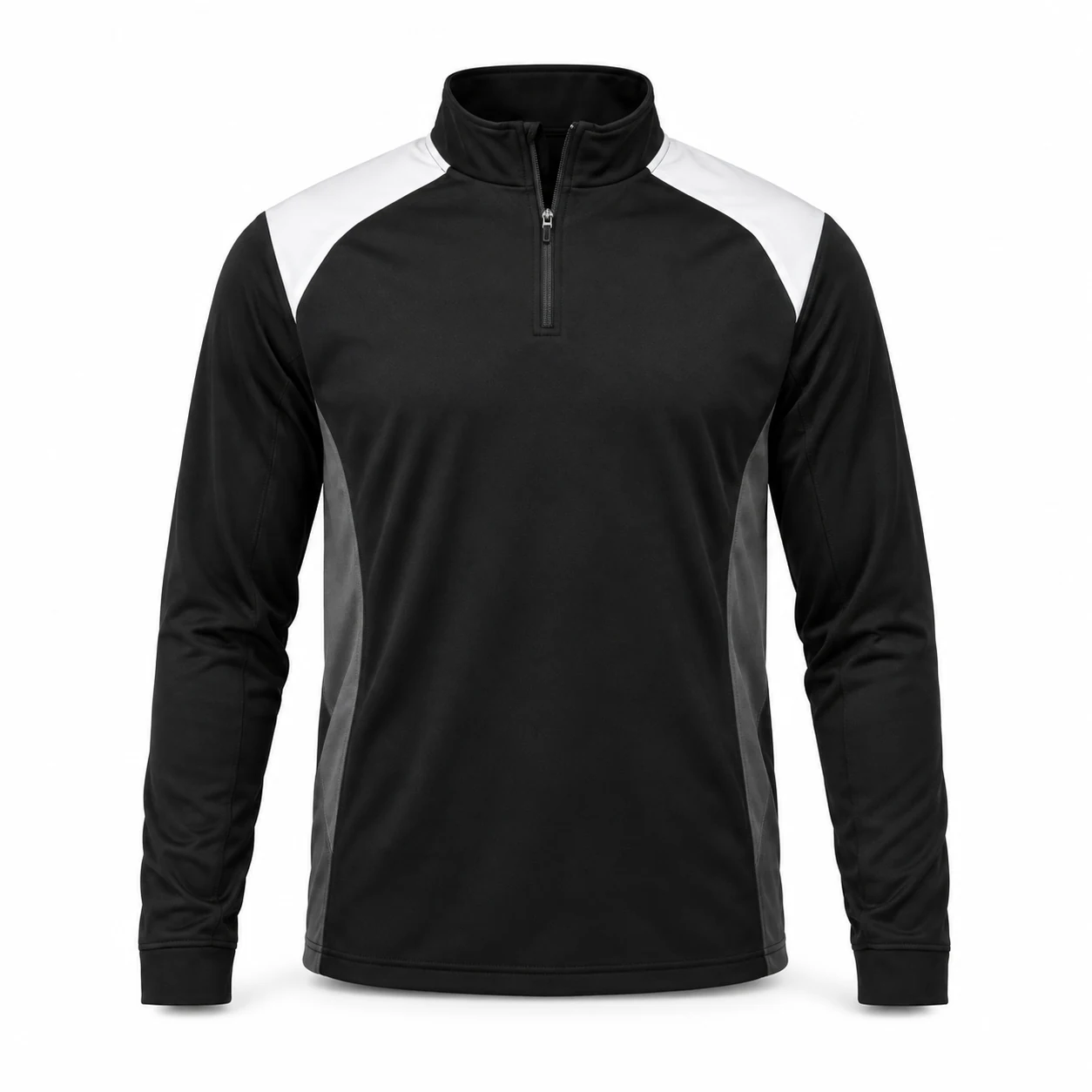
Product Development6 min read
Map warm-up, practice and travel needs to specific tops and pants, then approve closures, pocket access, material coordination and independent component sizes.
Read the guide →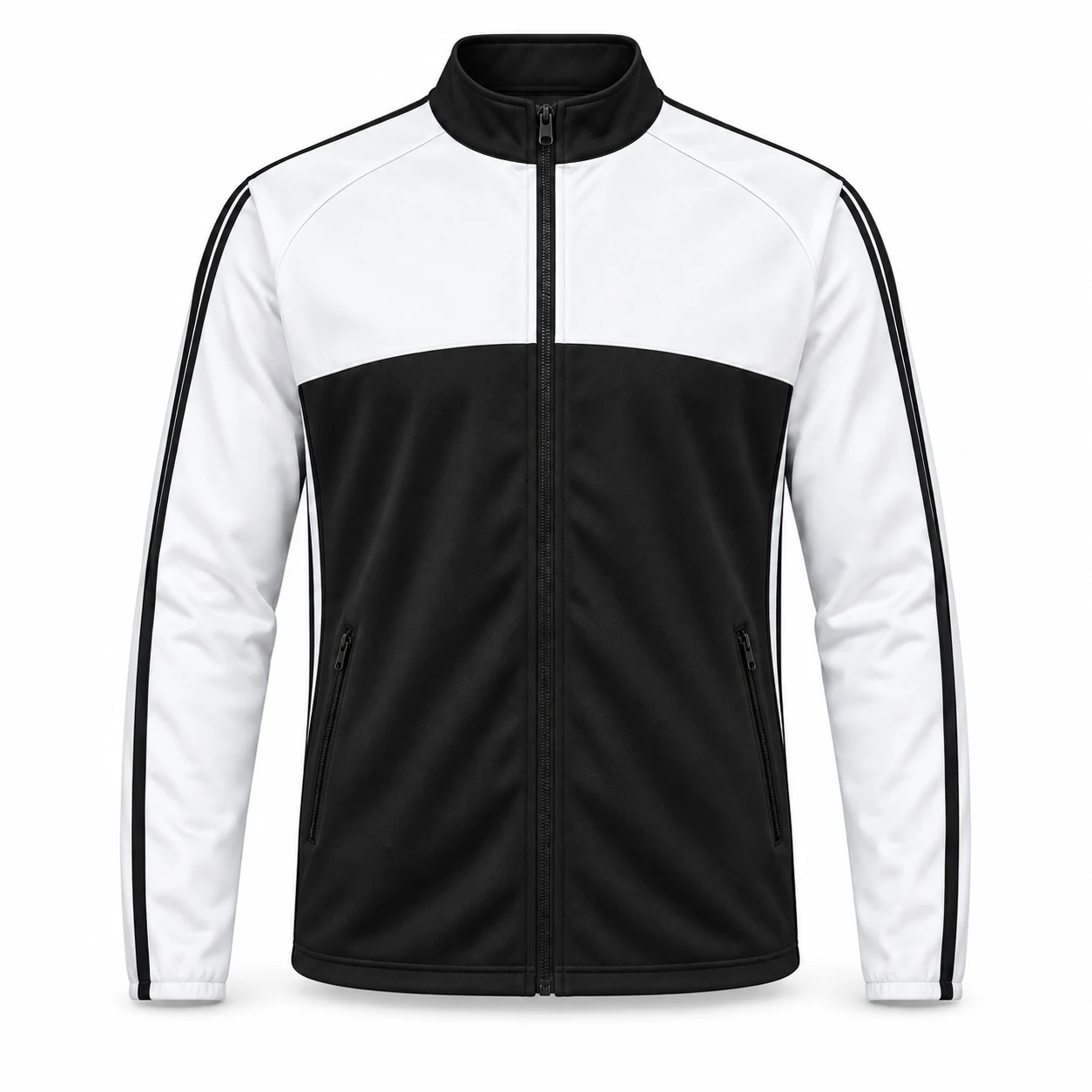
Product Development6 min read
Approve shell, lining, hardware and the complete team jacket in the right sequence, with a substitution log and clear decisions for later jacket or trouser reorders.
Read the guide →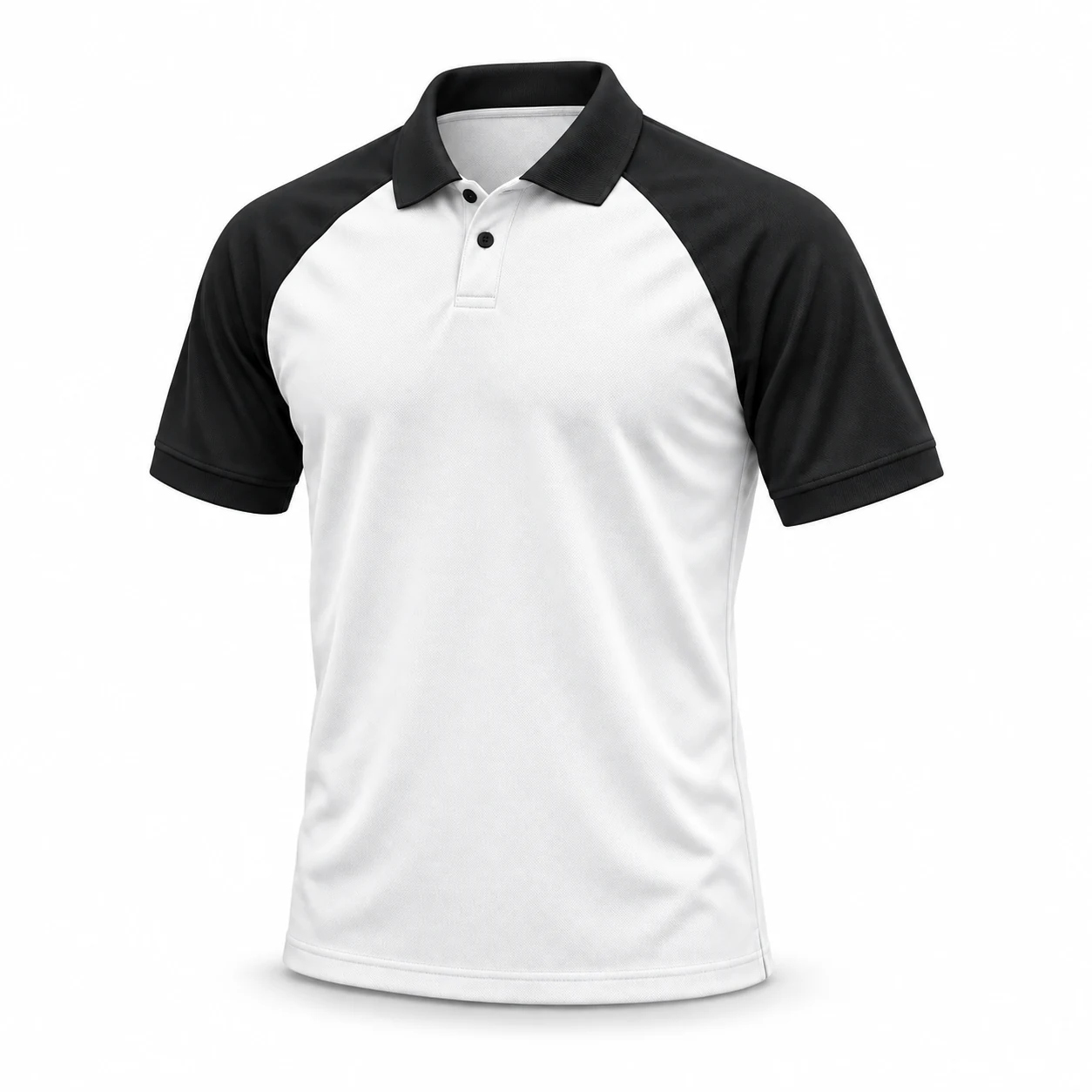
Buying & Project Planning6 min read
Match staff apparel to standing, carrying, presentation and travel tasks, then collect role-based size evidence, branding approvals and independent issue quantities.
Read the guide →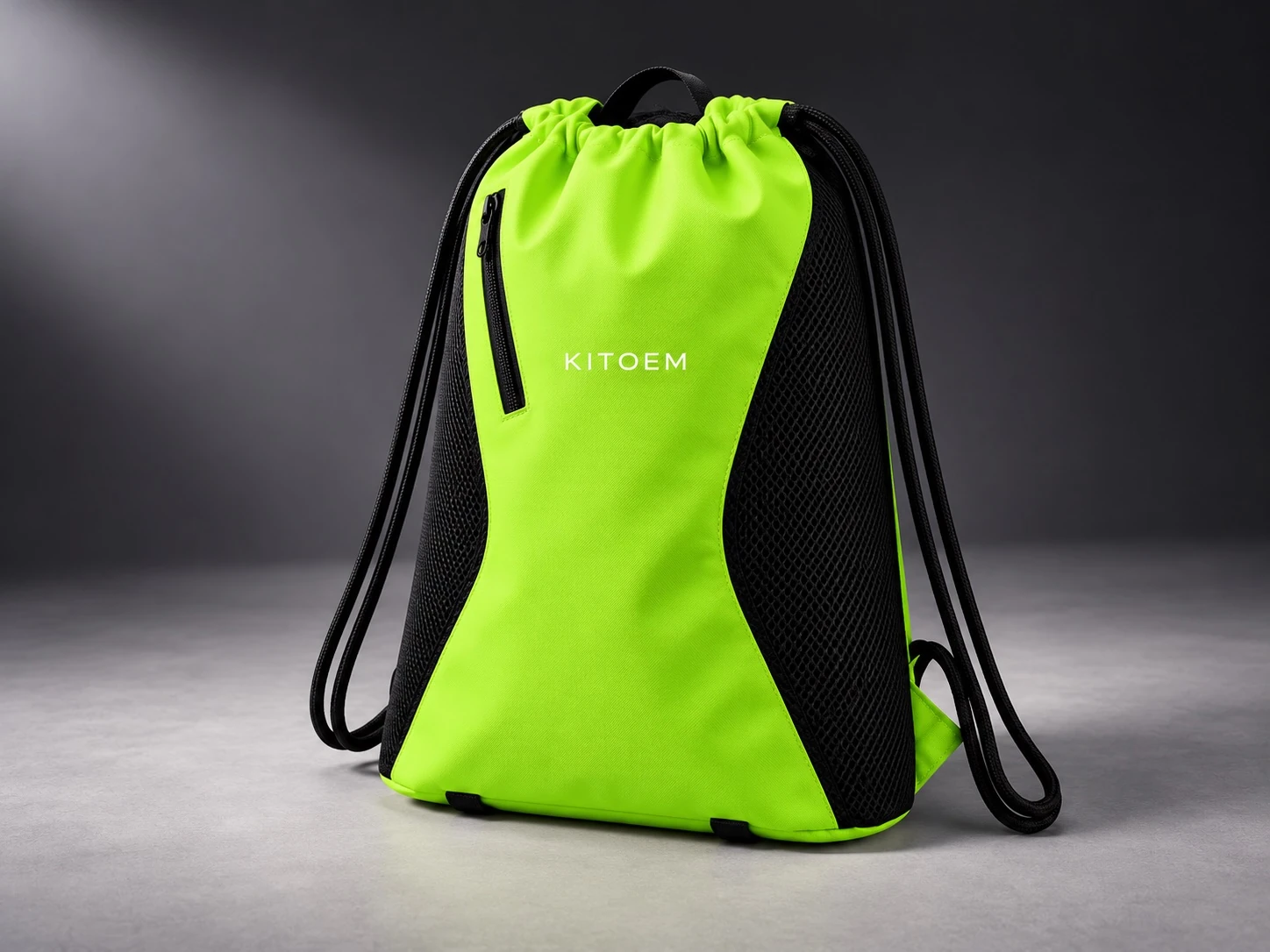
Product Development6 min read
Specify a team bag through real contents, finished space, closures, carrying details and a packed-sample review, with resistance claims treated as separate evidence questions.
Read the guide →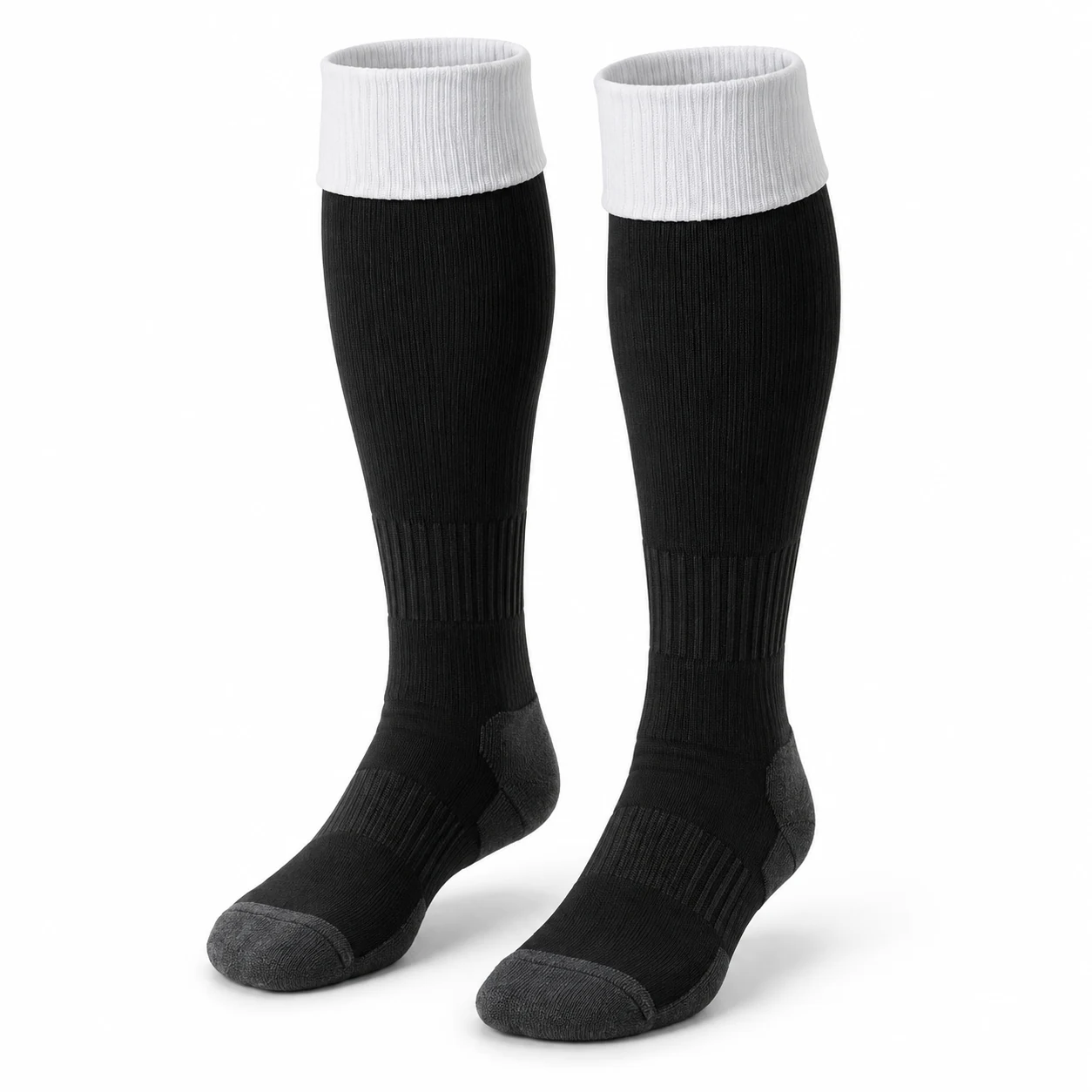
Buying & Project Planning5 min read
Keep socks, caps, armbands and towels as distinct RFQ lines, with explicit units, measurements, decoration areas, variant counts and distribution instructions.
Read the guide →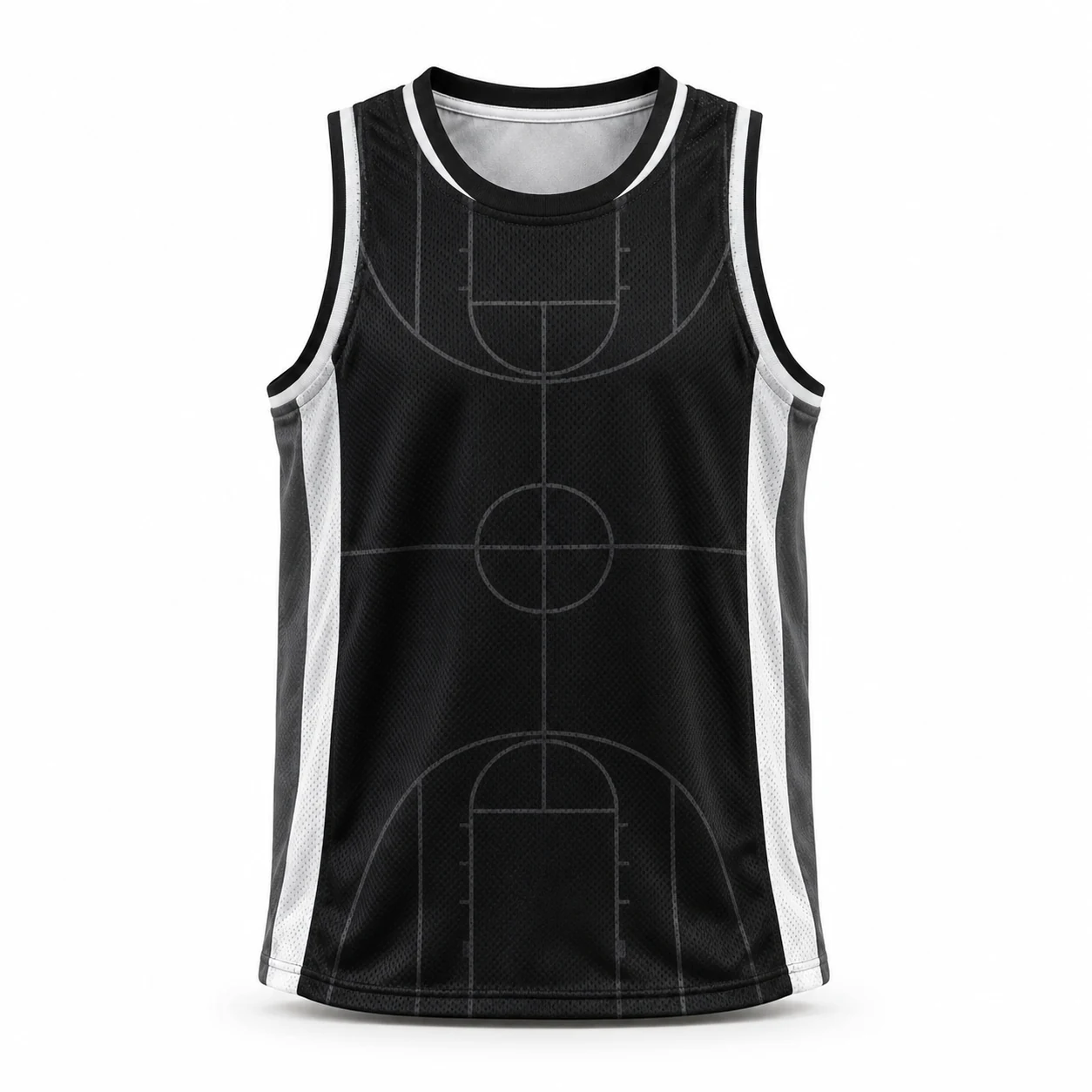
Product Development8 min read
Write a basketball brief with independent jersey and shorts size splits, two-sided artwork for reversible tops, and a complete waistband, rise and length approval record.
Read the guide →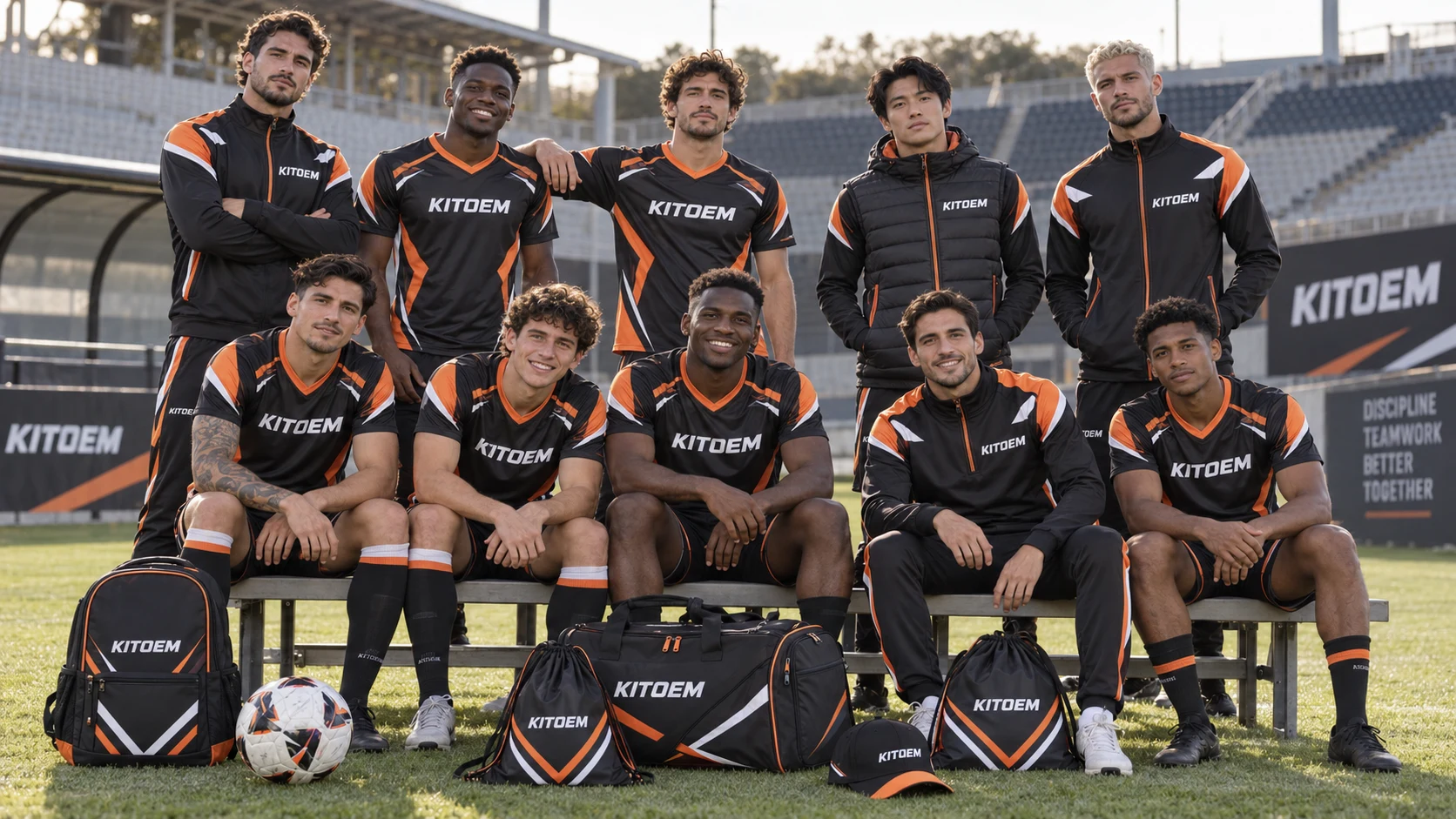
Product Development11 min read
Plan match, training and travel by wearer role, with product-level quantities, colour approvals, sample decisions and a clear delivery and packing record.
Read the guide →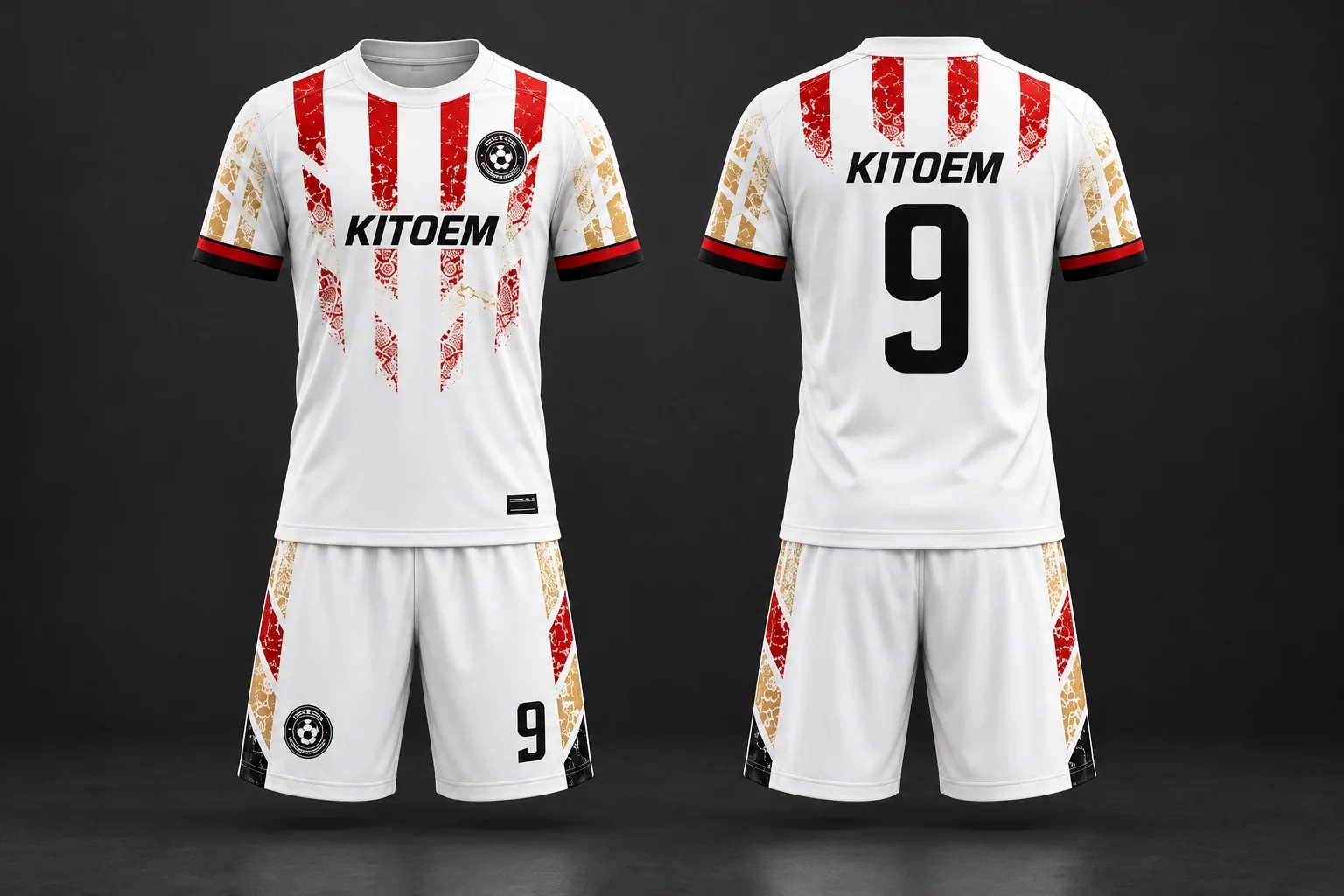
Buying & Project Planning6 min read
Control artwork, names, numbers, sizes, sample scope and packing through one written release record before production begins.
Read the guide →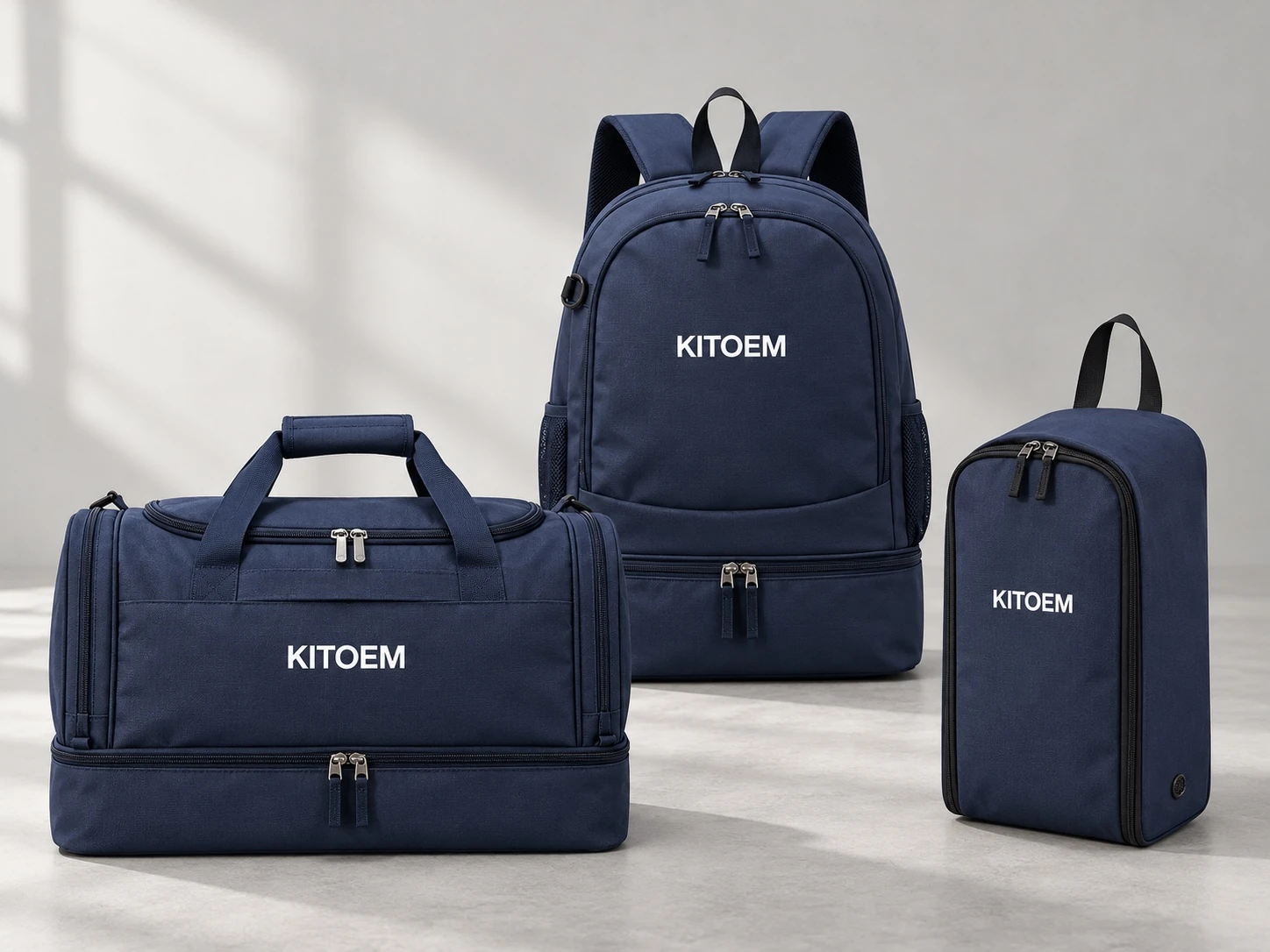
Buying & Project Planning4 min read
Compare football backpacks, kit duffles and boot bags by packing needs, dimensions, compartments and club branding before requesting a team order quote.
Read the guide →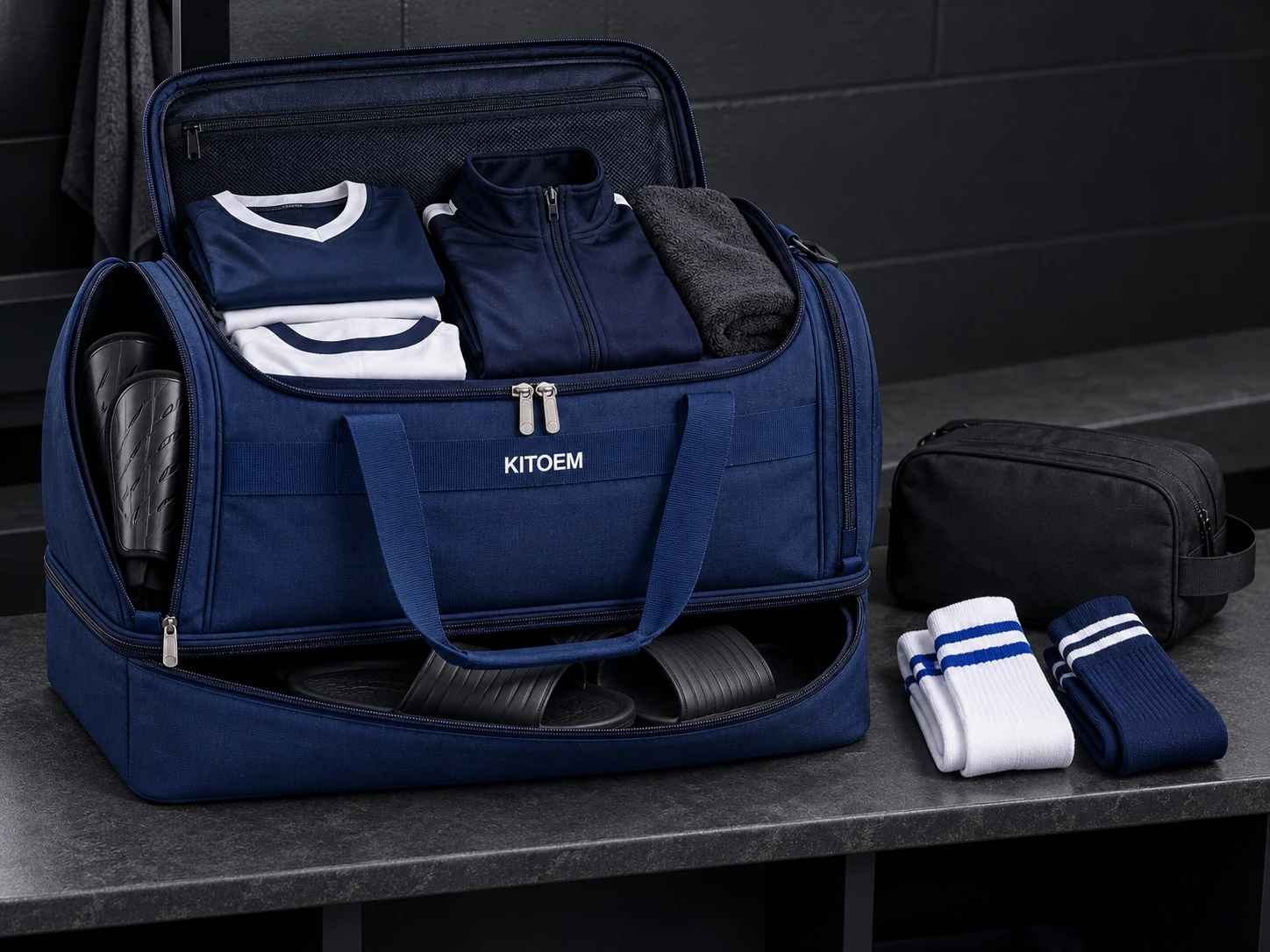
Product Selection3 min read
See the exact confirmed seven-part match-day load-out instead of relying on an unqualified “large capacity” claim.
Read the guide →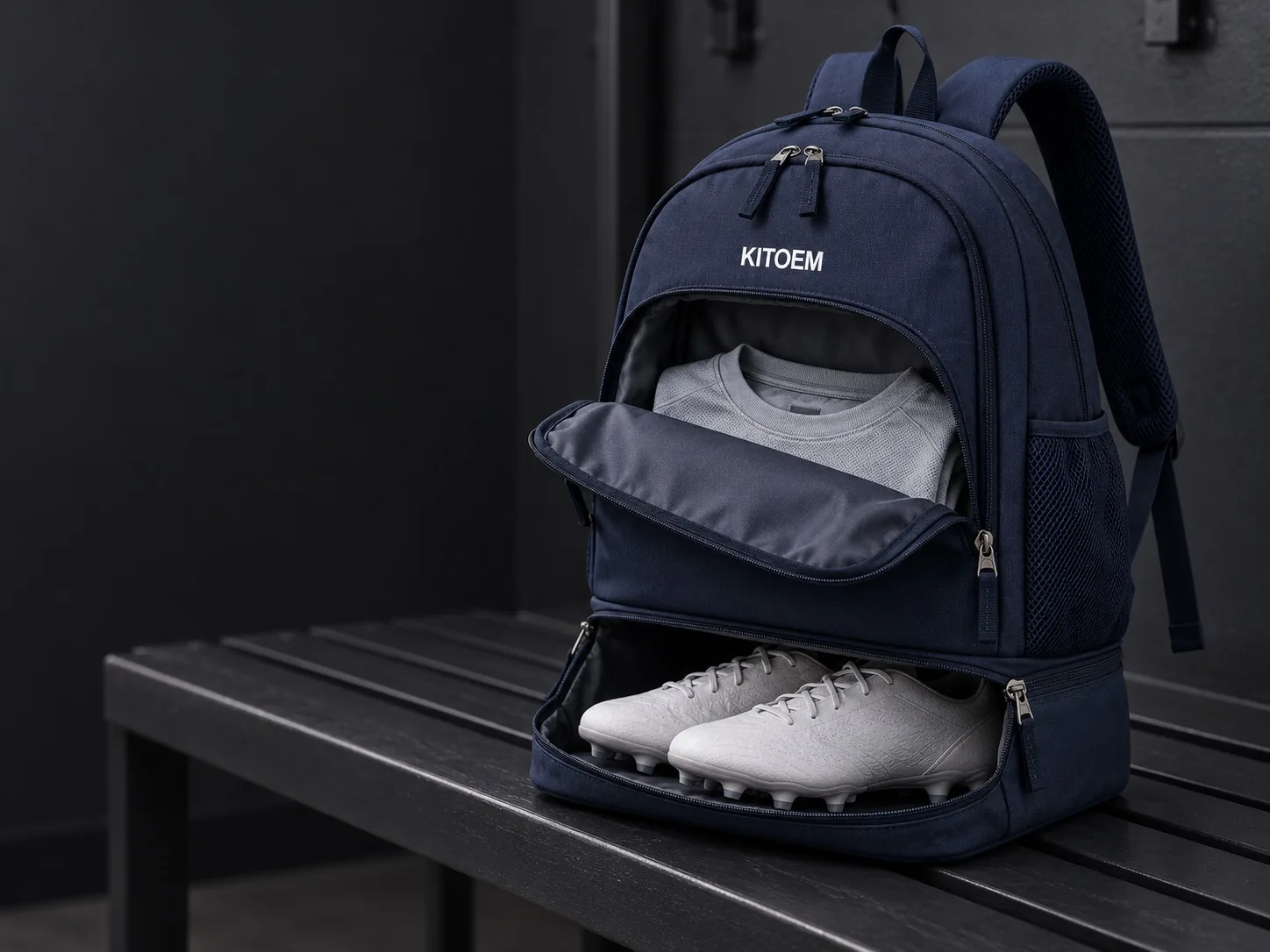
Construction & Use3 min read
Use separate footwear zones to organise the route from changing room to travel, then confirm the actual construction and intended footwear in the sample.
Read the guide →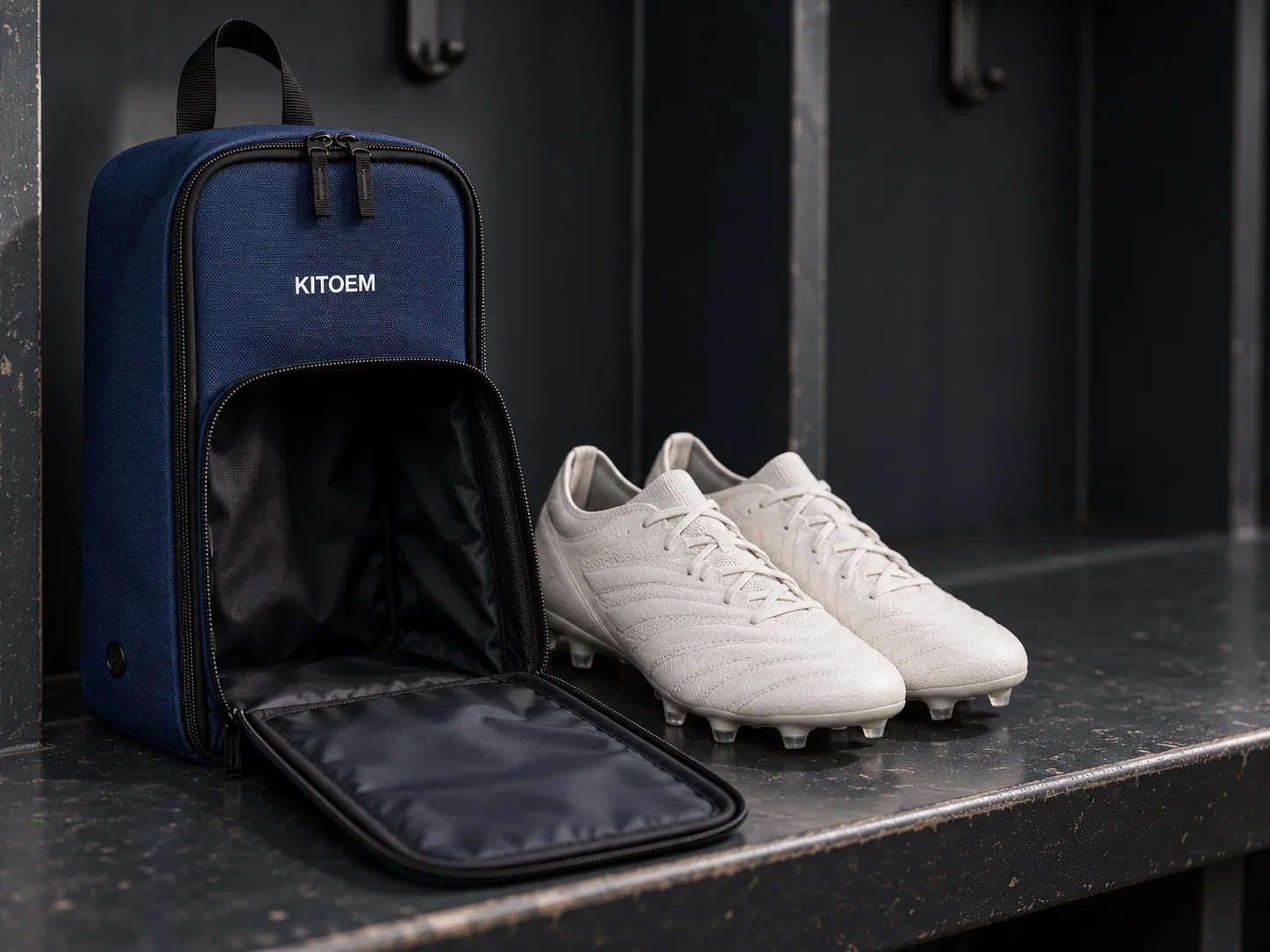
Product Development3 min read
Control the exact bag surface, physical artwork size, placement, method and player roster before releasing team identity for production.
Read the guide →Sampling & Approval3 min read
Start with eight confirmed colour directions, then approve how the chosen project colour appears on each selected bag and identity method.
Read the guide →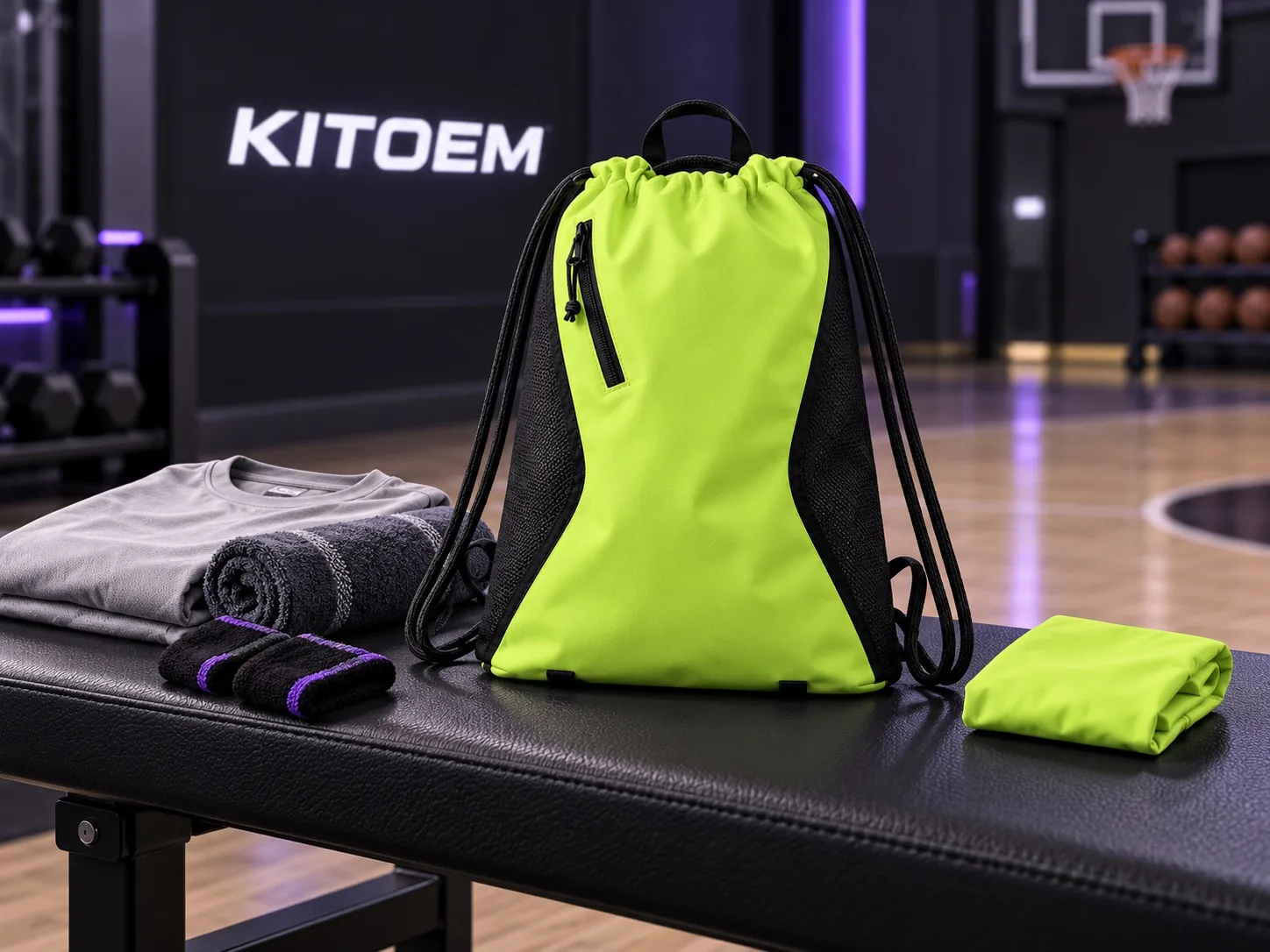
Buying & Project Planning4 min read
Build a gym or club welcome kit around real lightweight carry needs, then approve the bag size, pocket, branding and issue workflow without inventing capacity.
Read the guide →Product Selection4 min read
Choose the soft drawstring format for light, simple issue and the backpack route when load, structure, compartments or longer carry matter more.
Read the guide →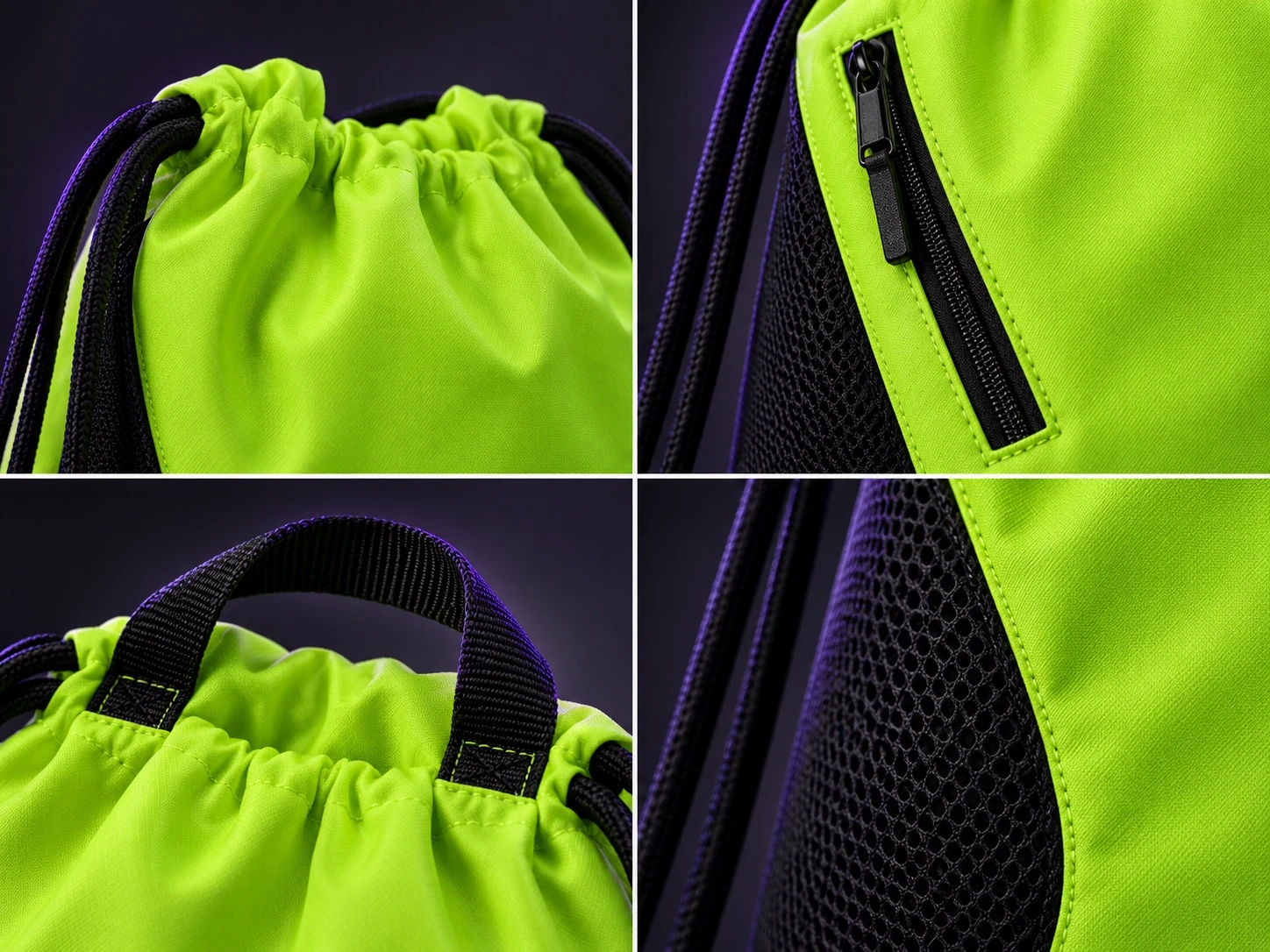
Sampling & Approval4 min read
Freeze the product, measurement method, material, construction, artwork, tests, packing and commercial scope before a bulk drawstring-bag order is released.
Read the guide →
Buying & Project Planning3 min read
Define the wearer, products, item quantities, artwork and required arrival date before selecting a style. For brand, club, school and event buyers; discuss your requirements with KITOEM in Xiamen, China.
Read the guide →
Materials & Fabrics9 min read
Understand g/m², the relationship between knit geometry and drape, and how to choose a fabric for colour coverage and clean graphics.
Read the guide →
Materials & Fabrics9 min read
Separate fibre content from the stretch and recovery of the finished garment, then approve movement, artwork and care on identified samples.
Read the guide →
Materials & Fabrics9 min read
Turn fabric names into sample questions about openings, surface, pattern, coverage, decoration and garment construction.
Read the guide →
Materials & Fabrics9 min read
Separate liquid sweat transfer, drying, airflow and vapour behaviour so the test evidence matches the claim on your sportswear.
Read the guide →
Materials & Fabrics12 min read
Build a fabric shortlist around the wearer, garment and approval method—not a sport label, catalogue tier or a single weight number.
Read the guide →
Materials & Fabrics9 min read
Develop the whole jacket around use, layers, decoration and care—not a weather promise inferred from a fabric photograph.
Read the guide →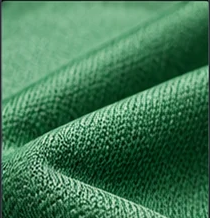
Materials & Fabrics9 min read
A buyer-side documentation workflow for recycled-material requests, without turning a catalogue label or supplier certificate into an unsupported product claim.
Read the guide →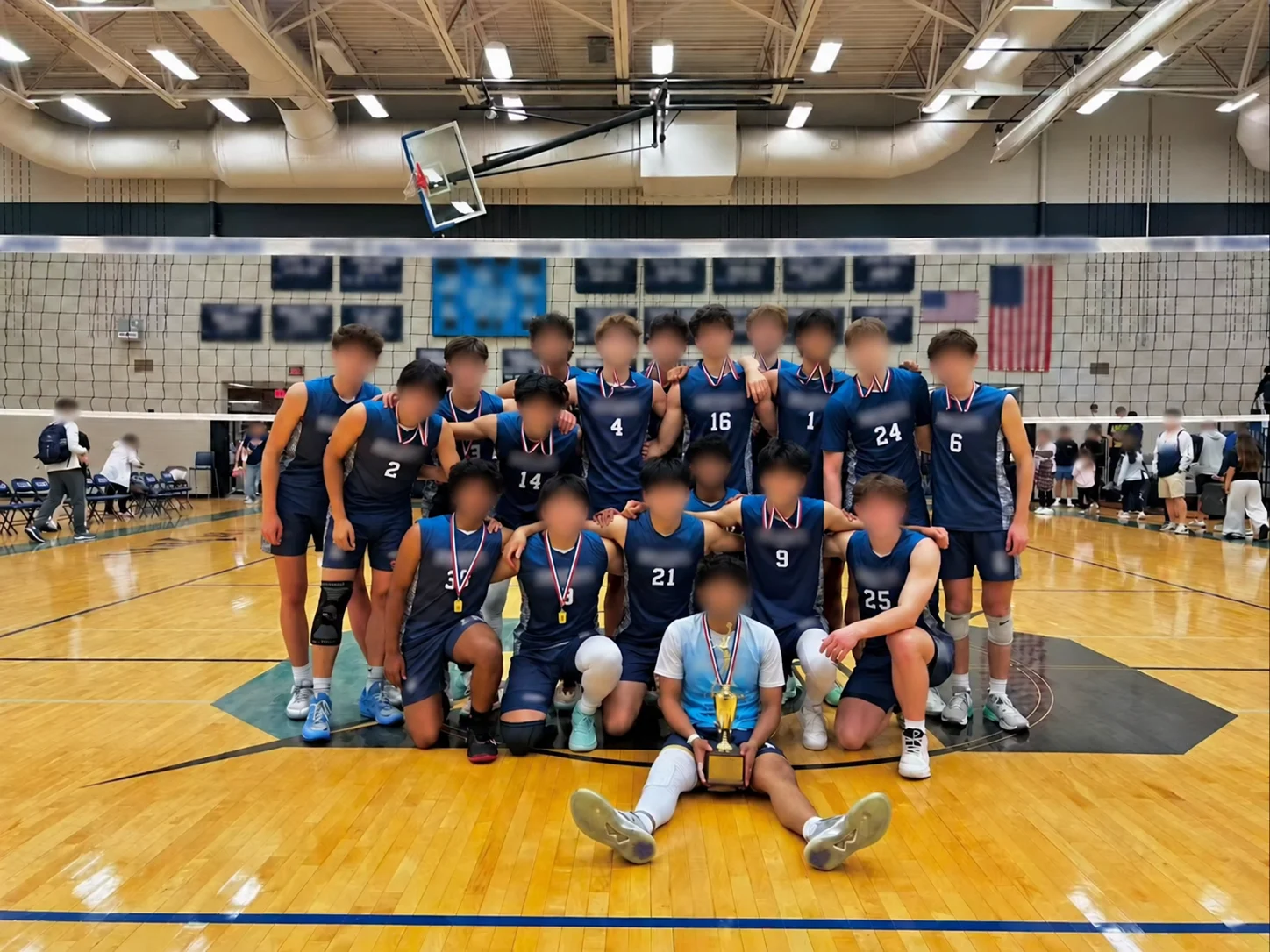
Buying & Project Planning8 min read
Turn a coordinated teamwear idea into a clear manufacturing brief: garment quantities, role colours, fabric, artwork, sizing and a realistic approval calendar.
Read the guide →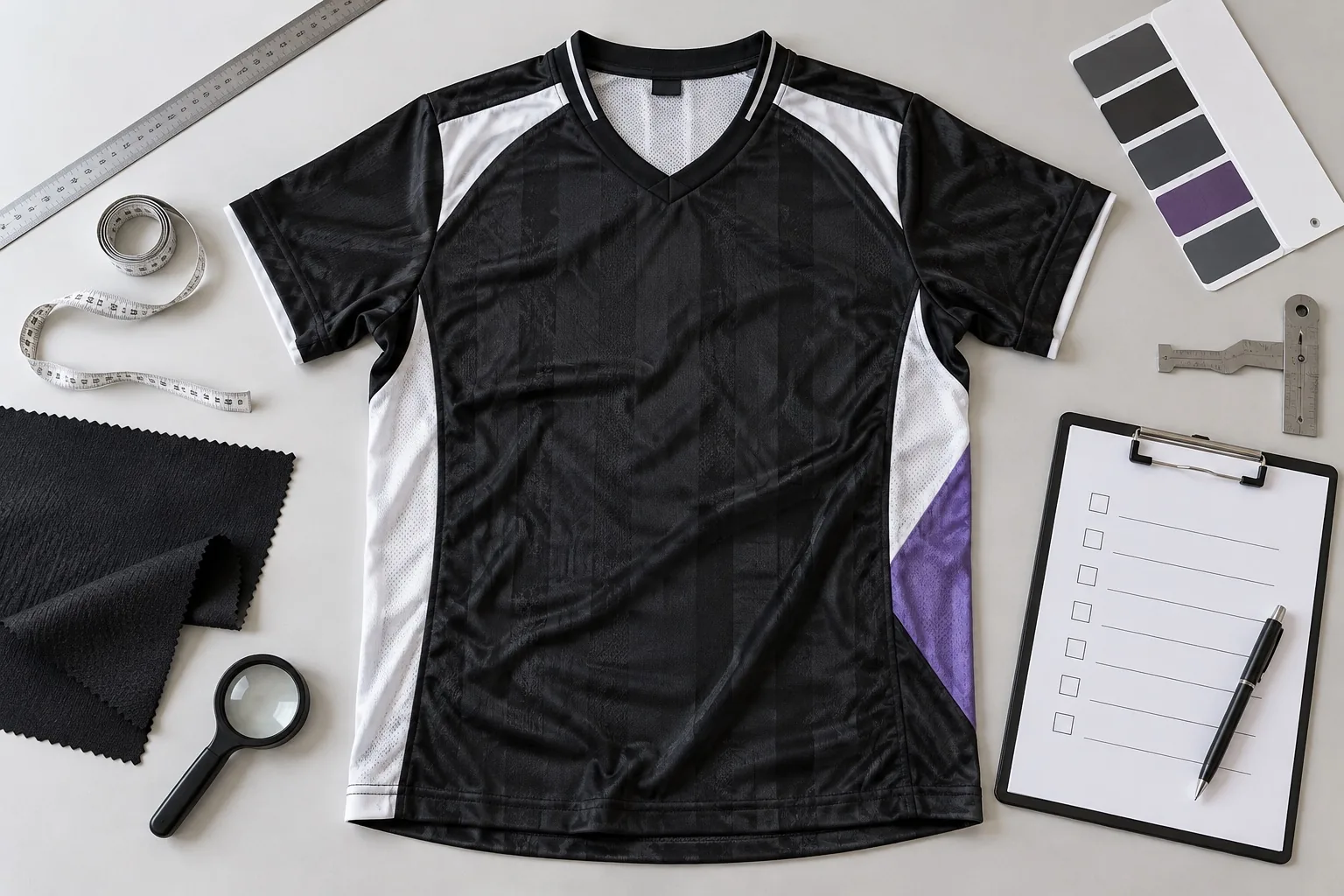
Buying & Project Planning10 min read
Check fabric, sizing, seams, printing and player details before a bulk football jersey order. Use a practical checklist for samples and supplier approval.
Read the guide →