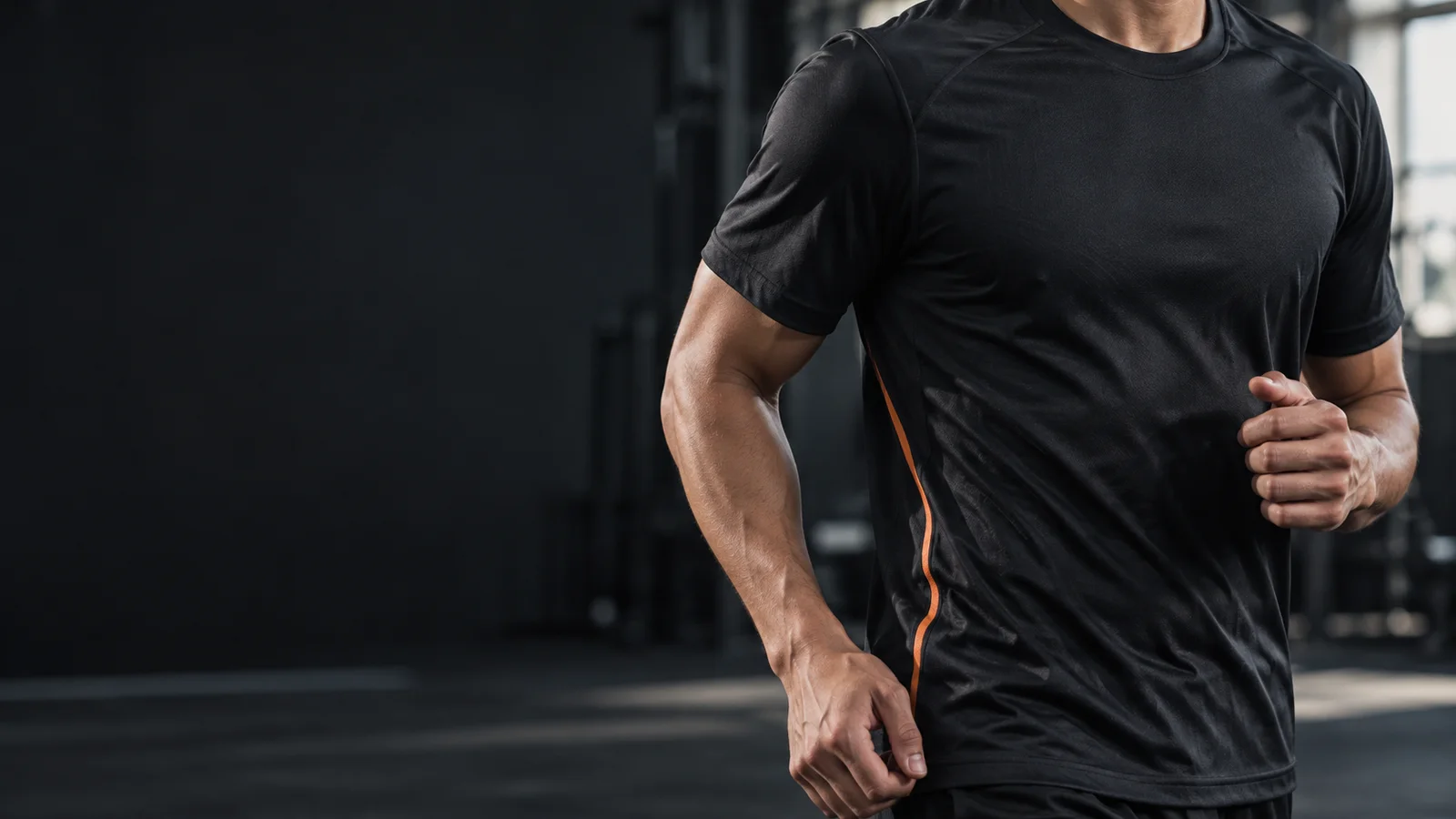
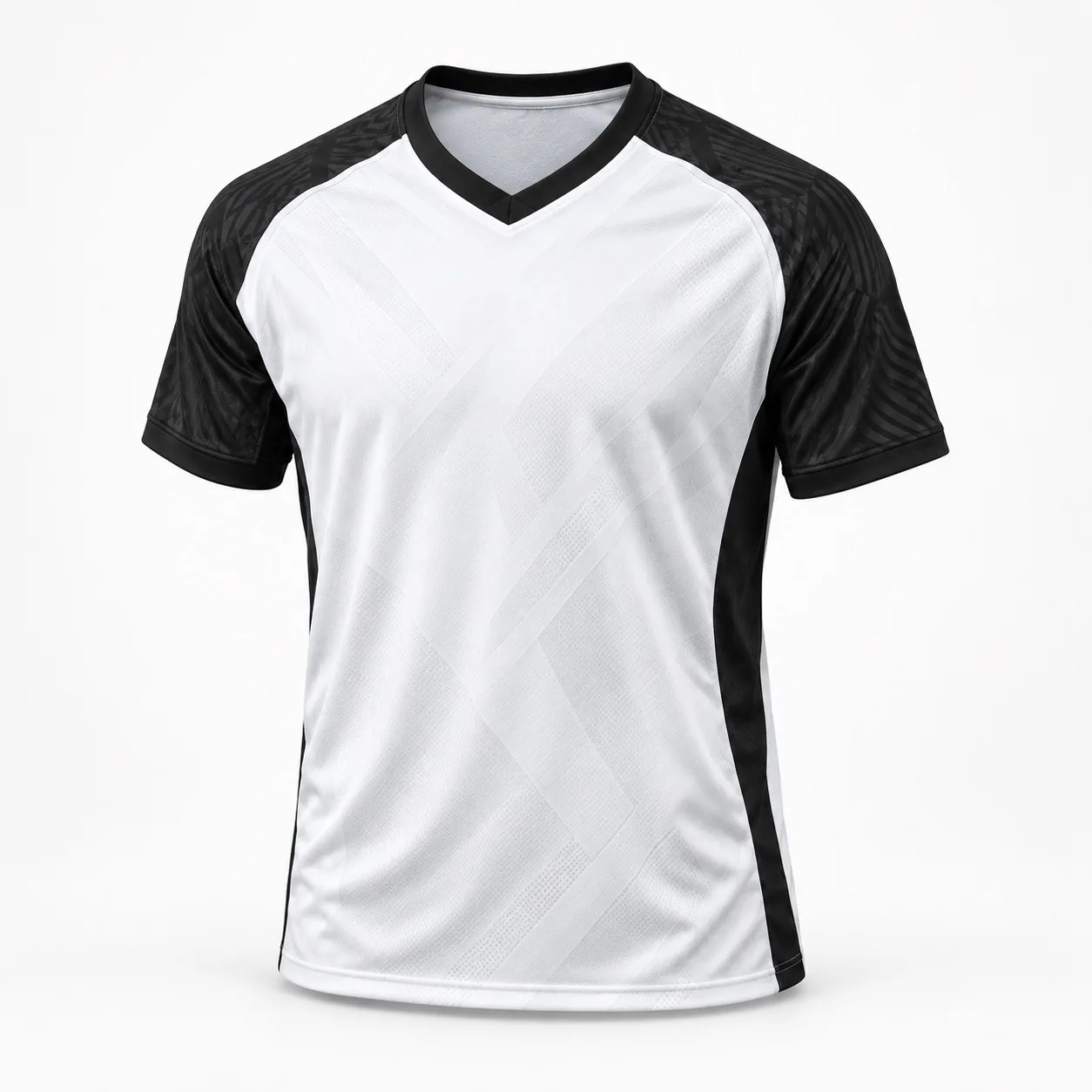
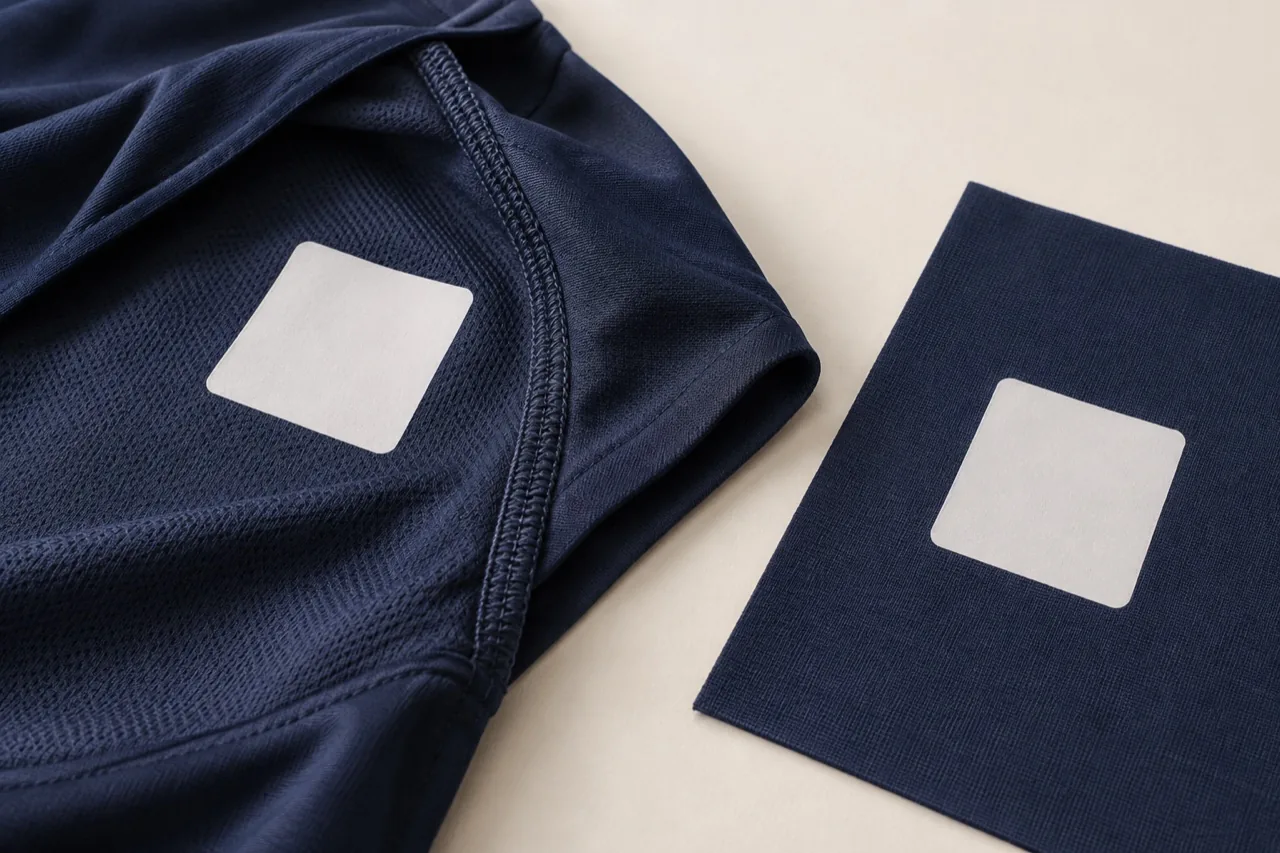
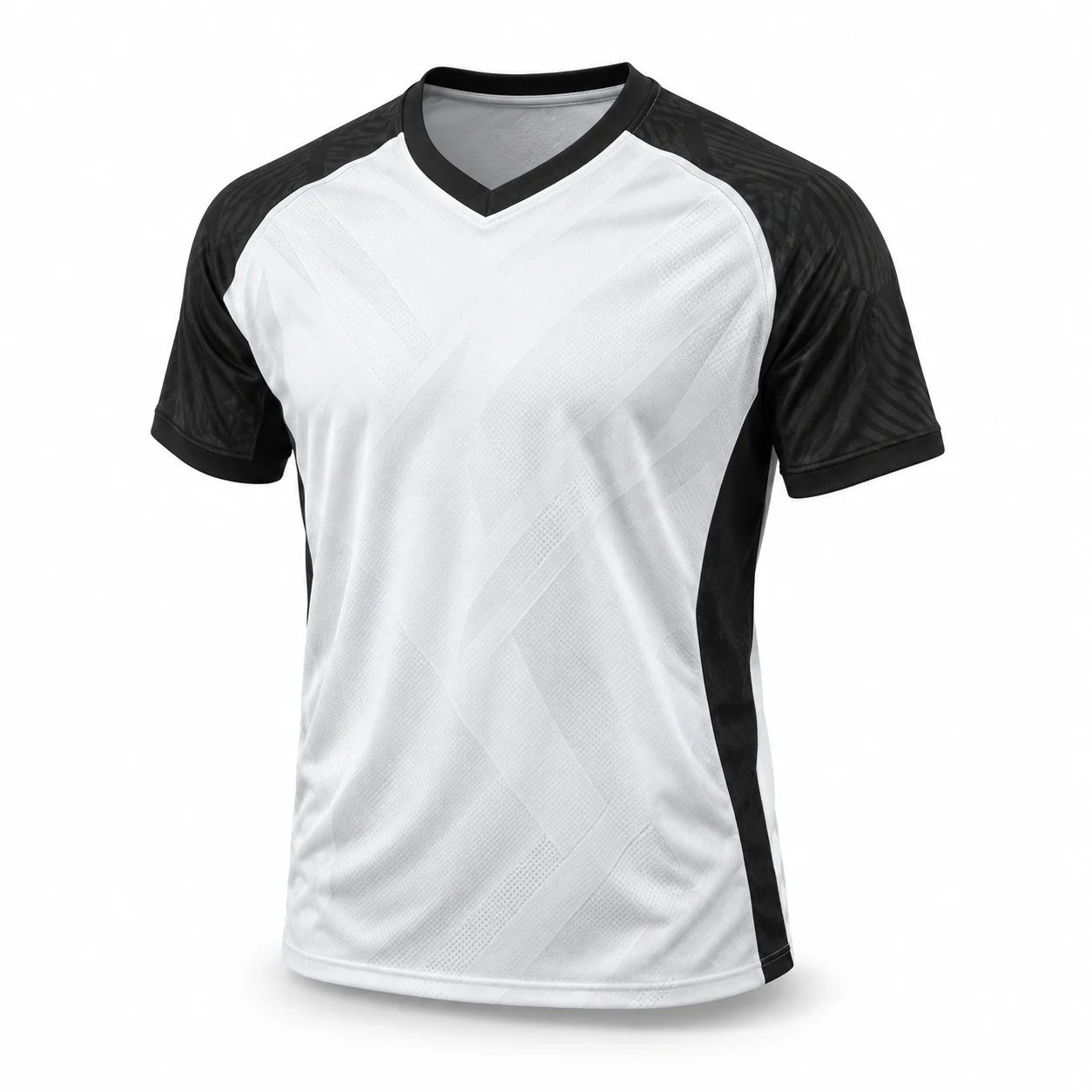
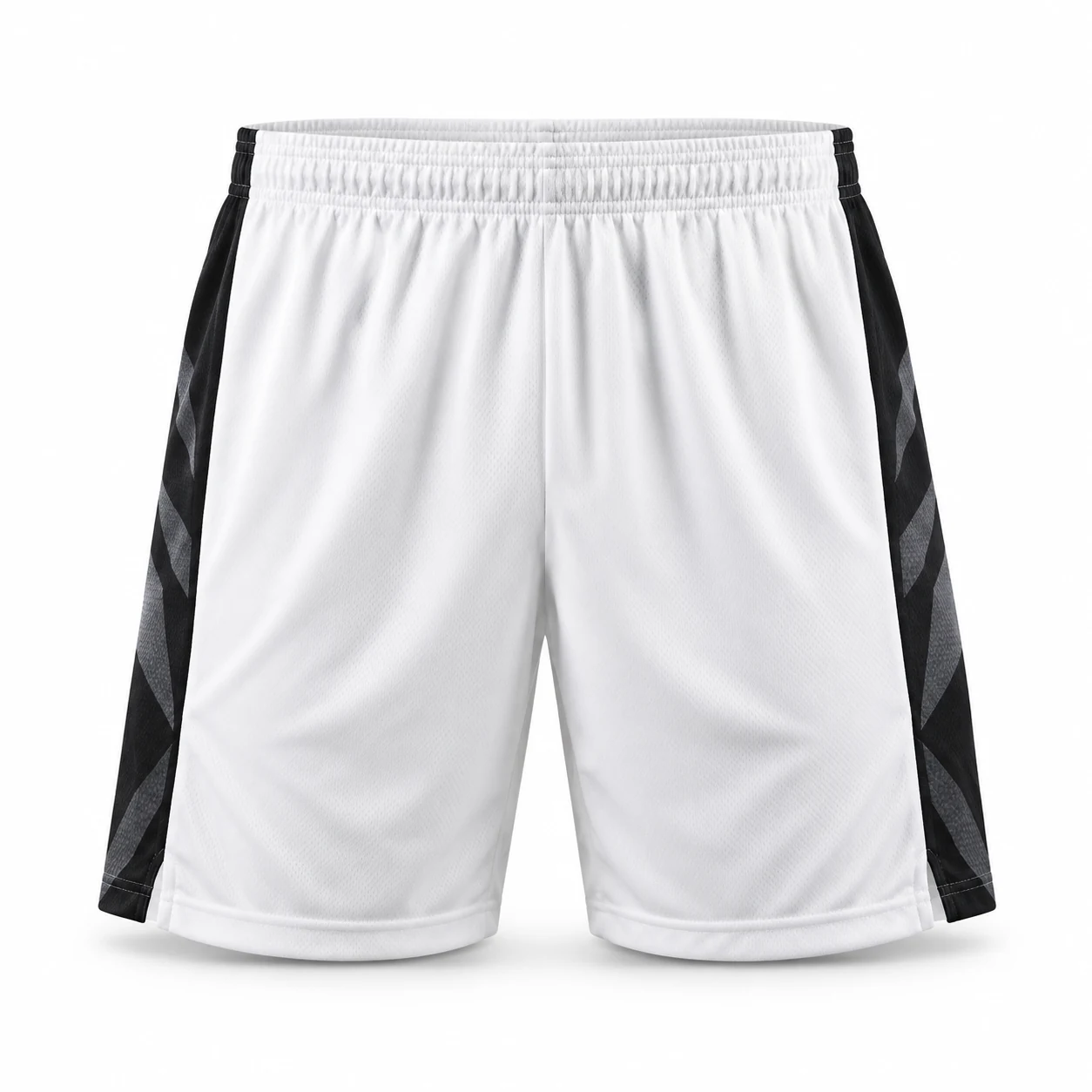
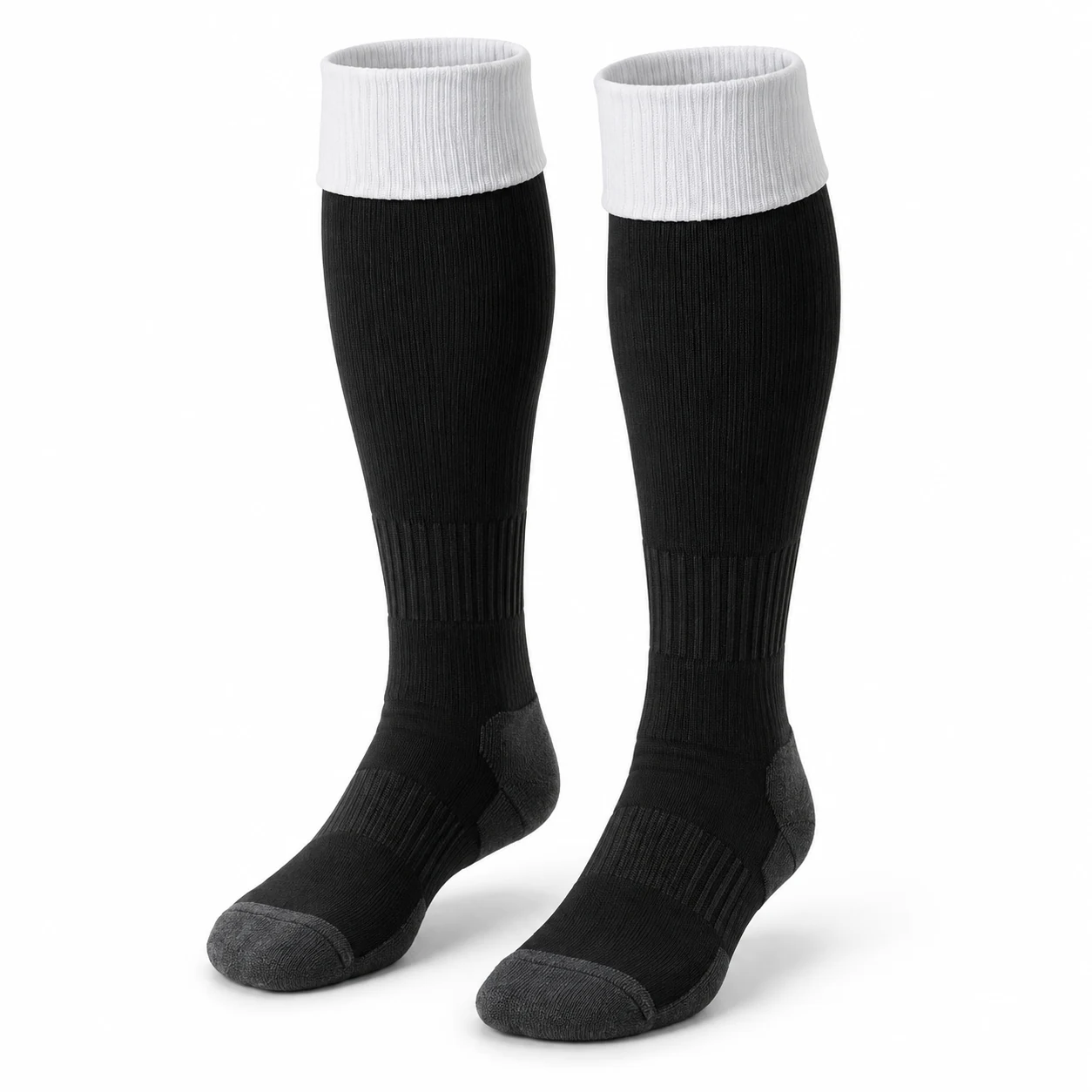
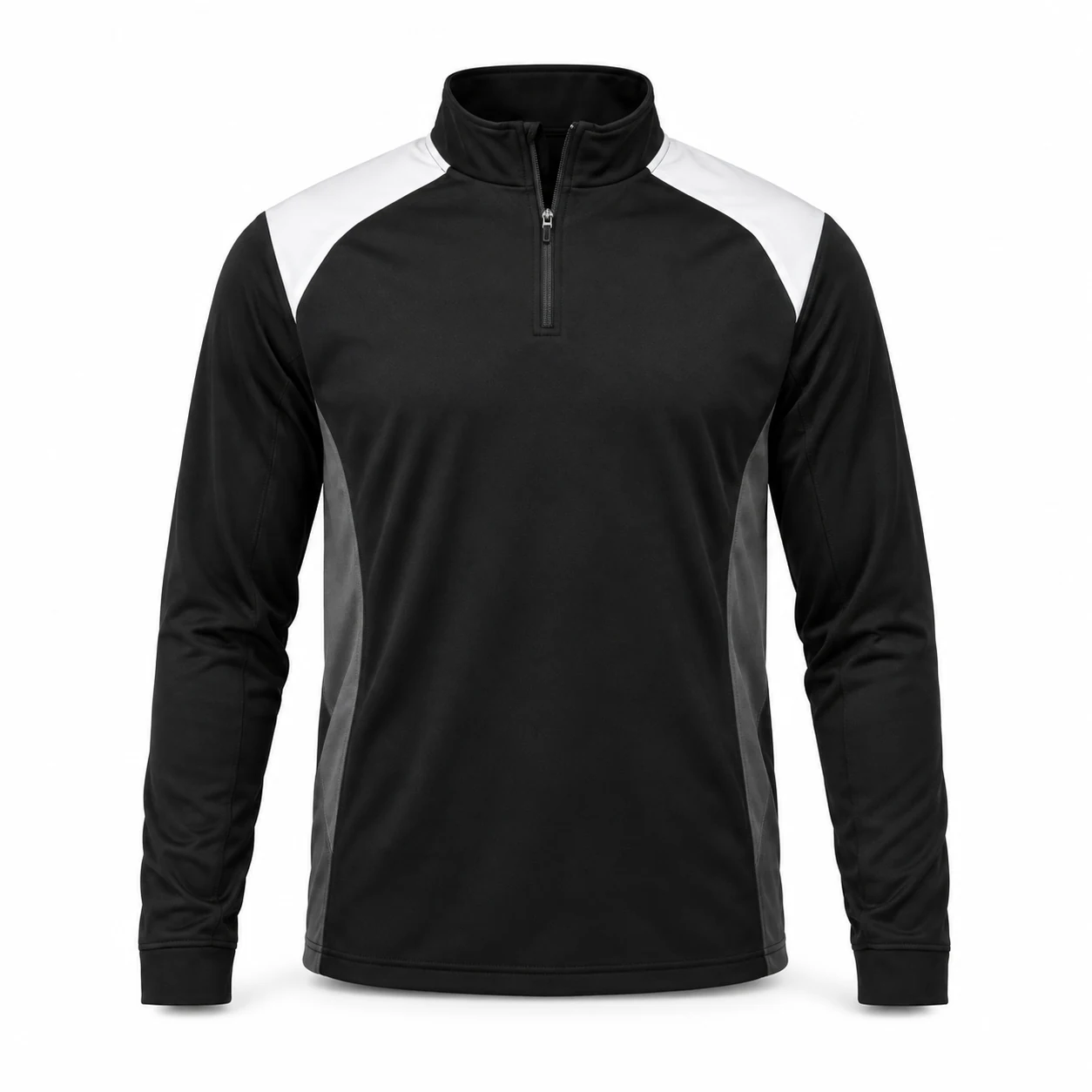
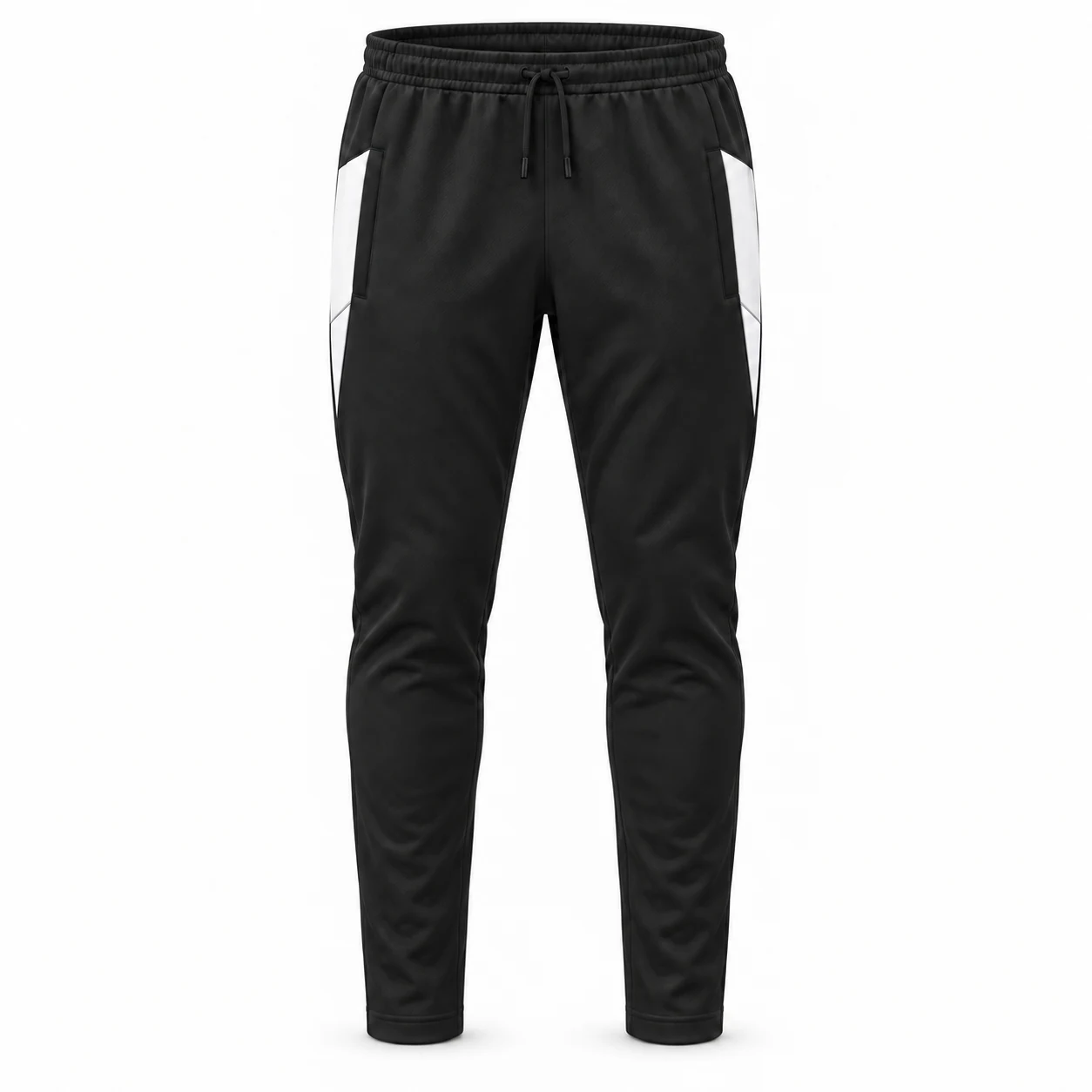
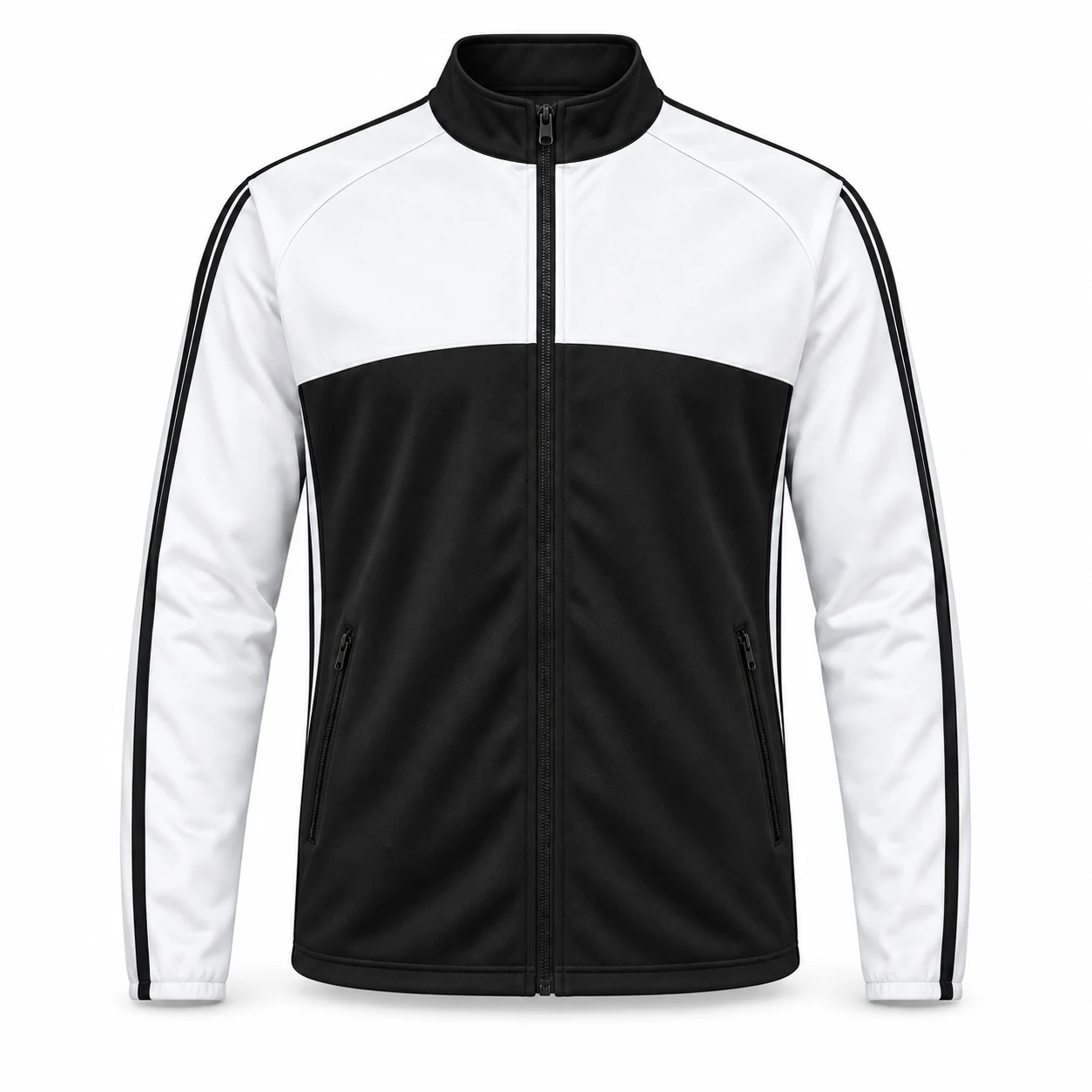
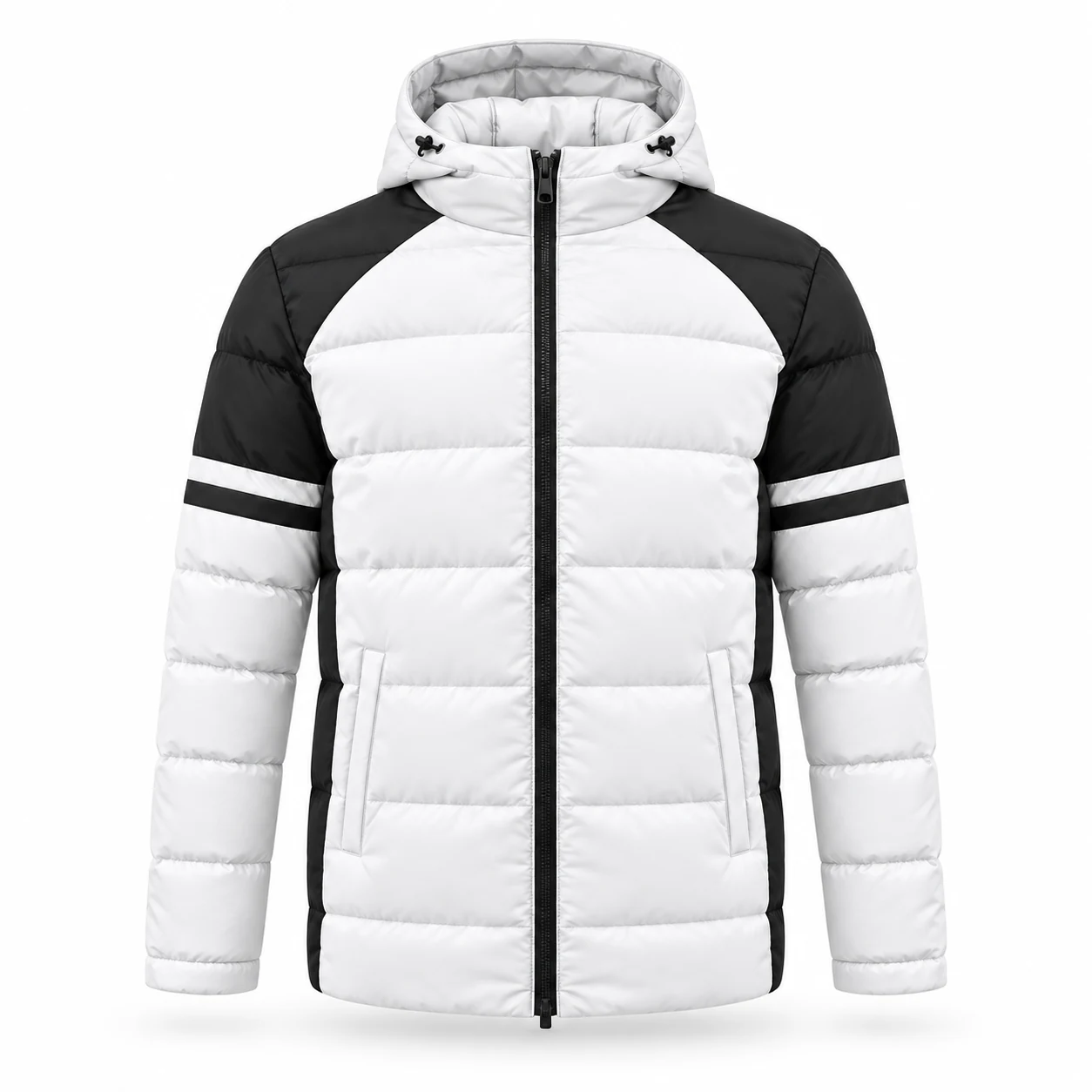
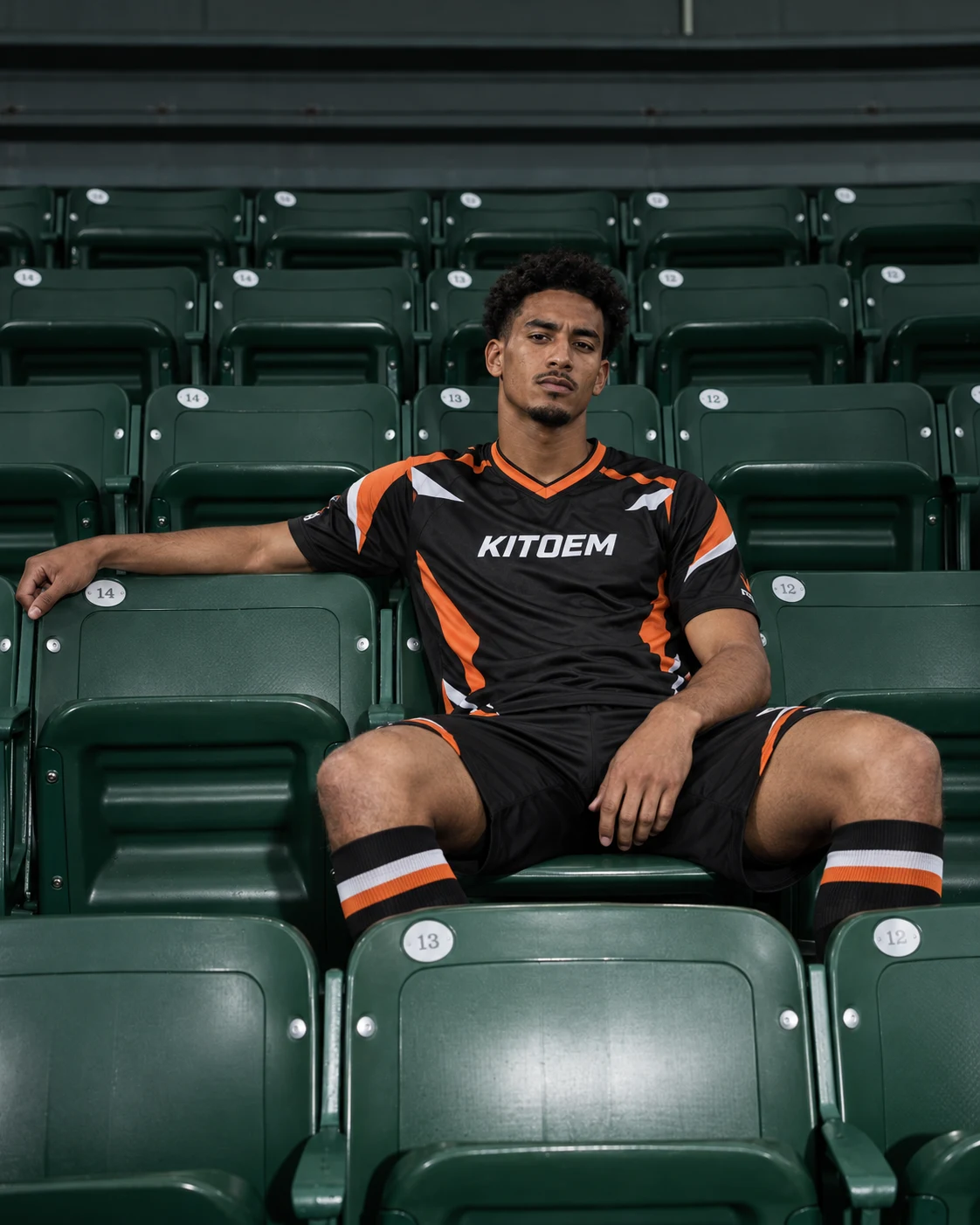
Campaign illustration of a black sports shirt with an orange construction seam

KITOEM · OEM / ODM sportswear

Your vision.
Built together.

Custom sportswear development backed by our own production in Xiamen, China. From sport-specific construction to your artwork, labels and finished programme.

Choose your starting point

Two ways in.
One approval point.

Bring a specification or an idea. We turn the starting point into a product-specific brief for quotation, samples and production review.

OEM / Your specification. Bring the tech pack, measurements, BOM, artwork or reference sample. Review feasibility and fill the gaps before sampling.

ODM / Your idea. Bring the use, wearer and direction. Develop the concept, fit, material and construction into a reviewable proposal.

Not sure yet? Start here.

You do not need every answer to begin.

Share who will wear the products, how they will be used and the references you have. Leave the route open; no product or decoration method is selected for you.

Help me choose a route ↗

Both routes include assessment, the agreed sample scope and written specification approval. Private labels and packing can be discussed with any route.

Backed by our own production

More than
a design handover.

Our own production facility in Xiamen, China focuses on football kits, basketball uniforms, training apparel and outerwear. One primary contact team connects product development, sample approval and production arrangements.

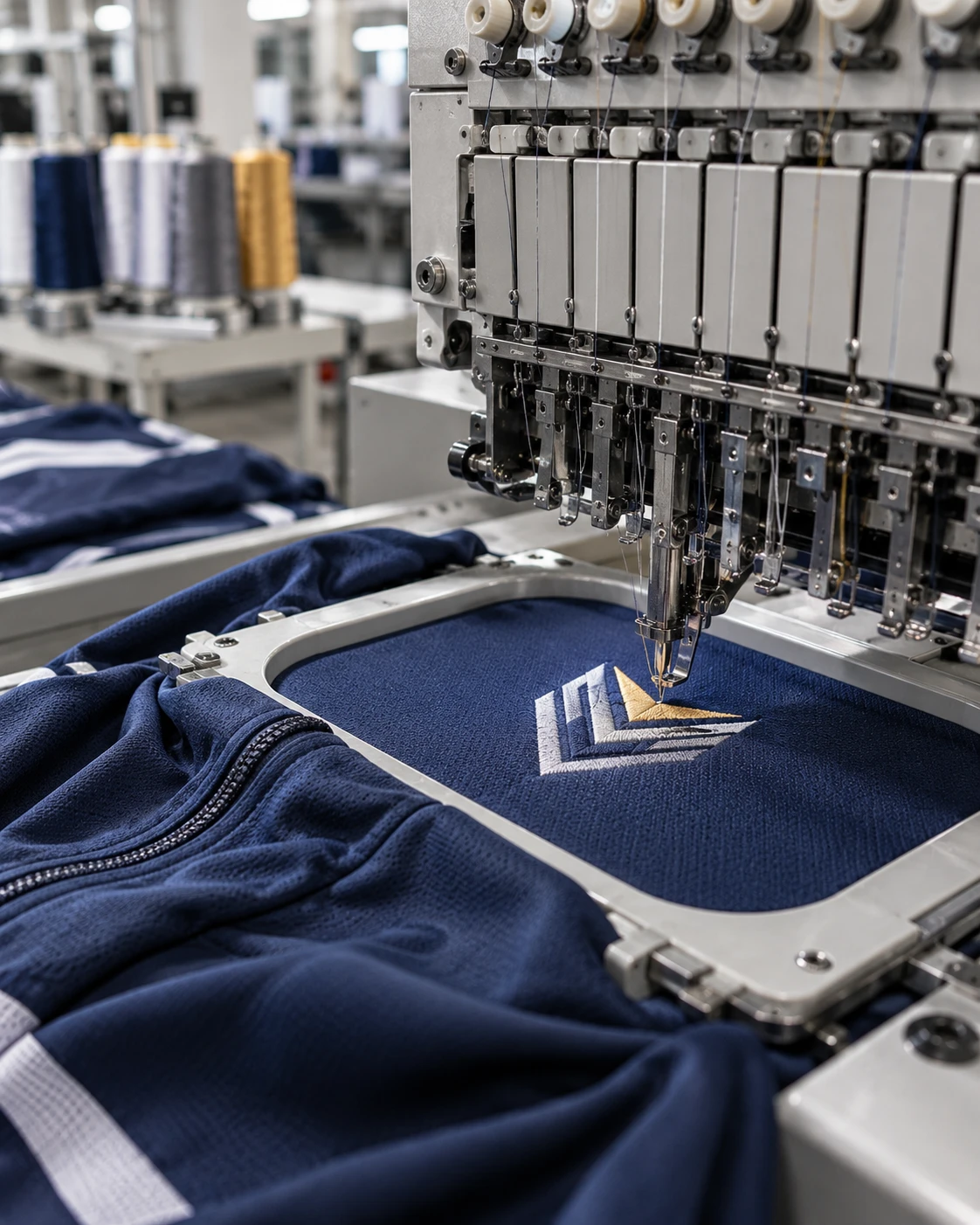
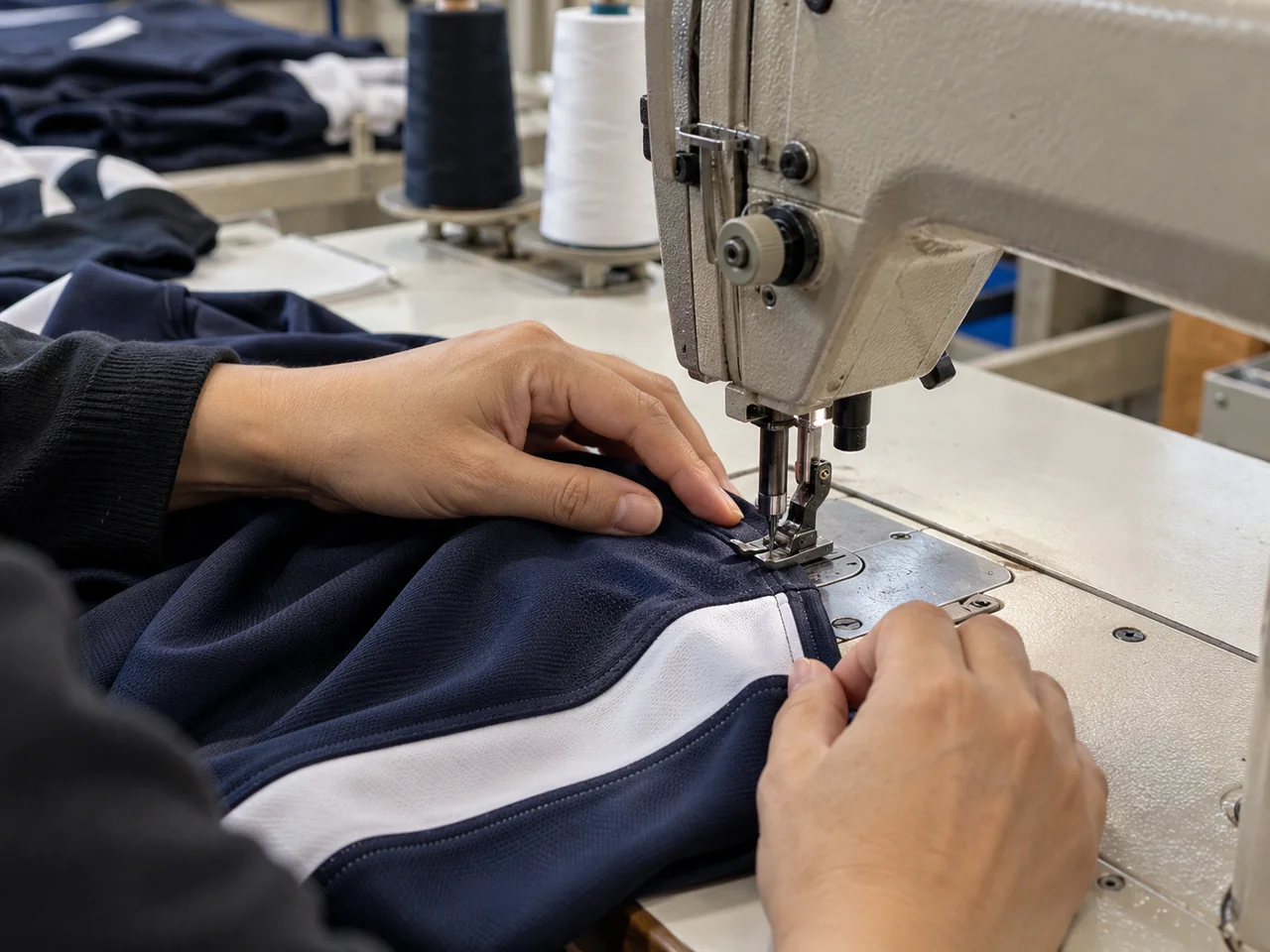
Embroidery process film · Supplied process footage showing embroidery needle heads above fabric. Arrange a factory review for site-specific views.

KITOEM · Xiamen

5,000 m²Production facility
20 YearsProduction experience
300Production machines
Explore our production approach ↗

Four processes.
In our own factory.

  1. 01

    Printing

    Printing is completed in our own factory, with the method, fabric, artwork placement and colour reference confirmed for the product.

  2. 02

    Embroidery

    In-house embroidery connects your brand details with the garment. Placement, size and the sample reference are agreed for each project.

  3. 03

    Brand & Care Labels

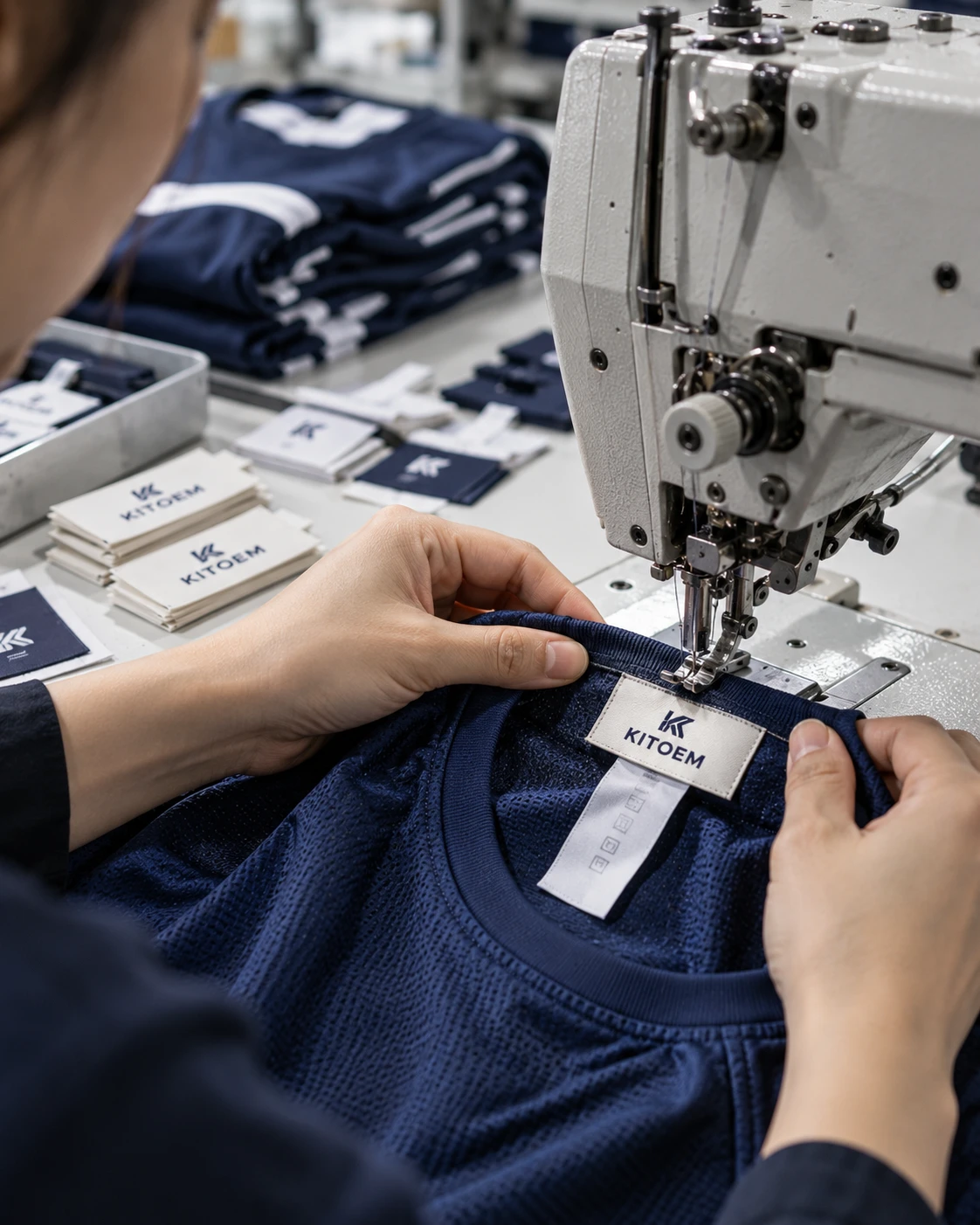
    Brand and care labels are applied in our own factory according to the approved product, label content and placement requirements.

  4. 04

    Packing

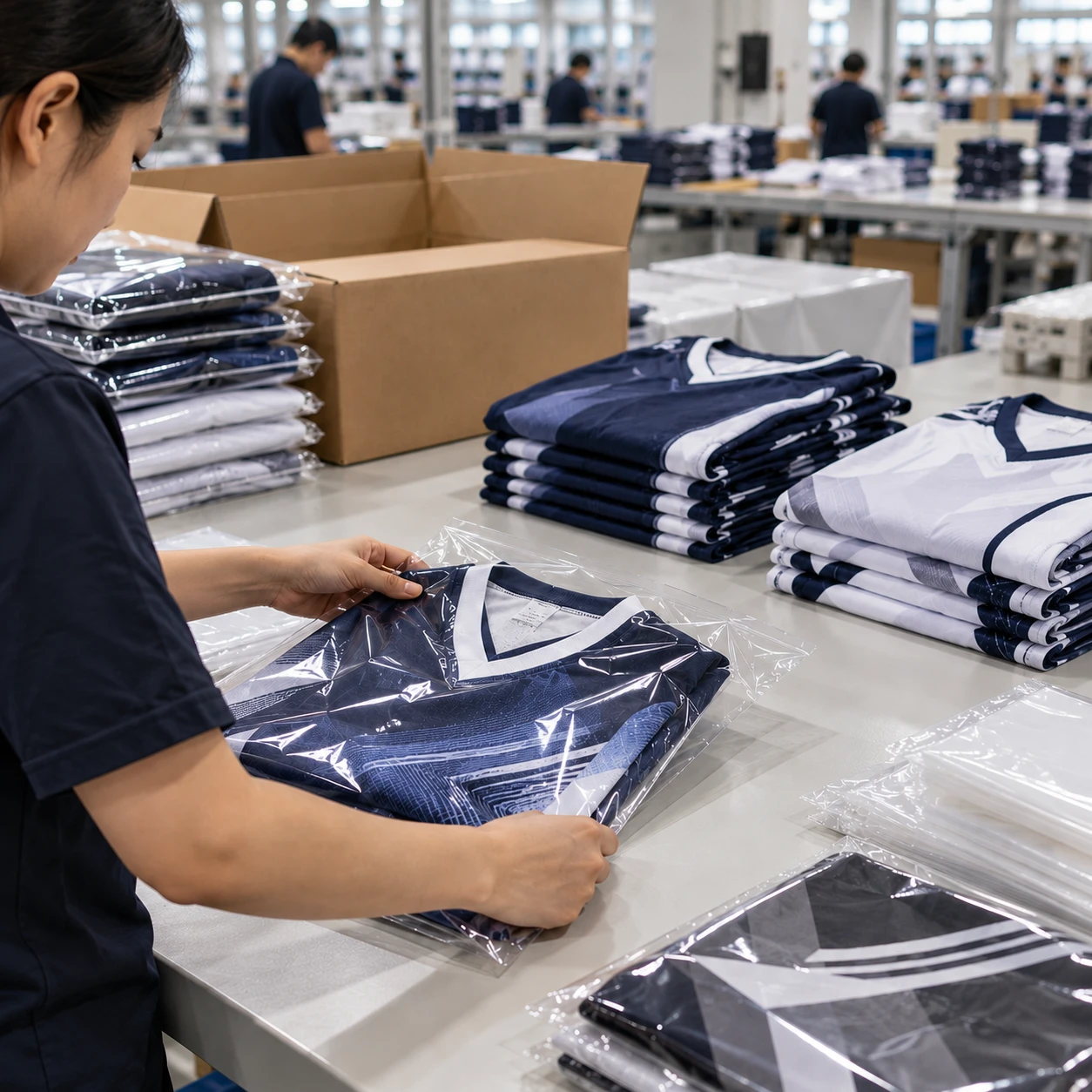
    Our factory prepares the agreed packing configuration, from product identification to packaging details for retail, team distribution or shipment.

Sport-specific development

Different sports.
Different construction.

A shared identity does not mean a shared pattern. Explore the decisions behind three garment directions, then use the full sport page to develop the rest of the range.

0808

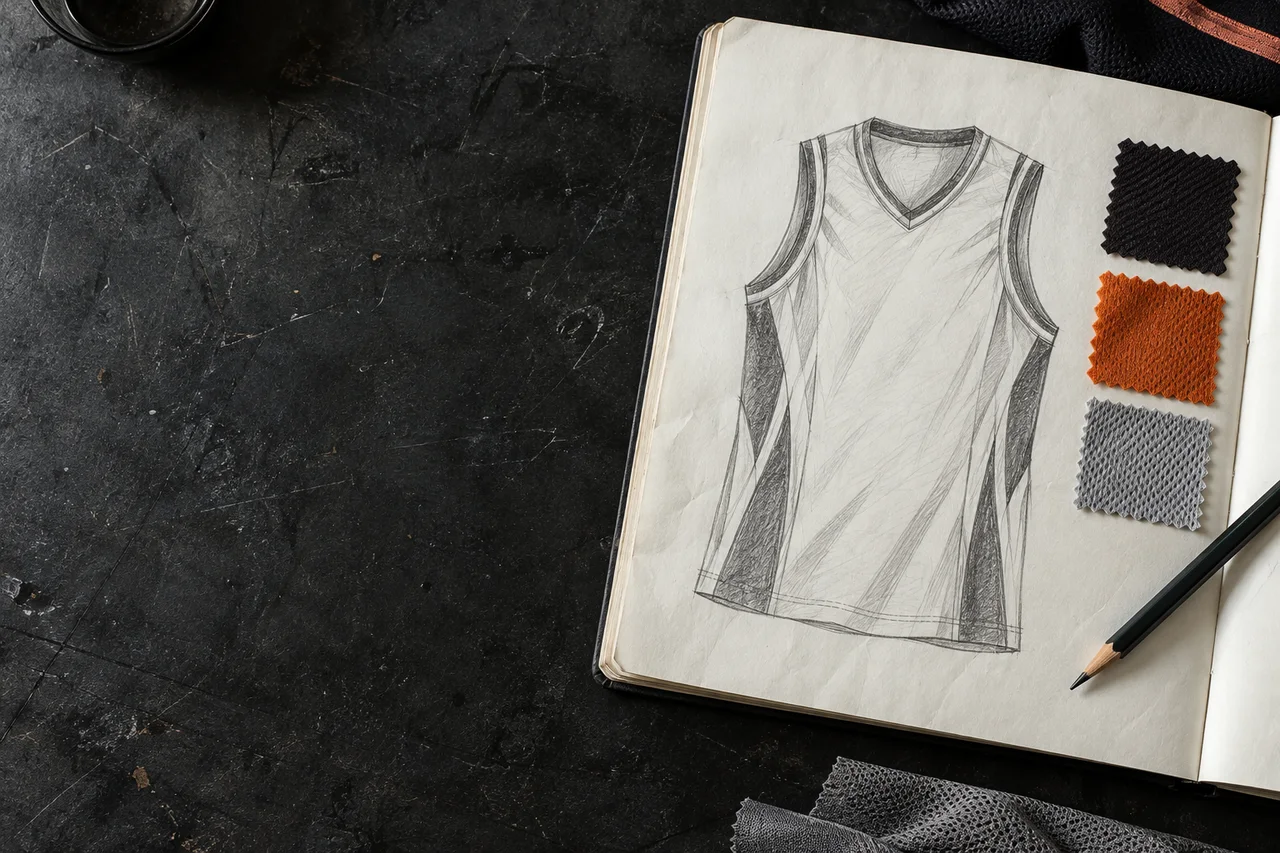
Original structure illustration · development decisions, not test evidence

Reversible practice option

Basketball

Build the jersey around reach, coverage and the separate shorts specification. A reversible training garment is a distinct construction choice, not simply another printed colour.

01

Shoulder & armhole

Set shoulder width, arm-opening depth and binding together. Review reach, coverage and seam contact on the fit sample.

Explore Basketball development ↗

Basketball · construction notes

  1. Shoulder & armhole

    Set shoulder width, arm-opening depth and binding together. Review reach, coverage and seam contact on the fit sample.

  2. Body length & shorts overlap

    Review jersey length against the shorts waistband and the intended tucked or untucked appearance. Keep the shorts rise and leg opening separately specified.

  3. Reversible training construction

    Develop the two faces as a practice option with their own material, marking and edge-finishing requirements. Review both sides on the garment sample.

Running & Athletics · construction notes

  1. Arm swing & edge contact

    Review shoulder shape, binding, coverage and seam contact through repeated arm swing. Keep bib and artwork space clear in the top specification.

  2. Split, liner & waistband

    Define split overlap, rise, liner edge and waistband separately. Assess the proposed short during stride extension instead of copying the top’s fabric choice.

  3. Pocket position & contents

    Name what the pocket needs to hold and where it sits. Review access and the loaded pocket on the selected garment sample.

Road / MTB · construction notes

  1. Riding posture & front/back length

    Review the road jersey in riding posture, including the shorter front and extended rear coverage direction. Specify the intended fit rather than approving a standing silhouette alone.

  2. Zip & rear-pocket construction

    Define zip length, finishing and rear-pocket position/capacity. Check access and placement in the riding sample; pocket contents belong in the brief.

  3. A separate MTB direction

    Use a roomier cut and the intended underlayers as a distinct MTB development reference. Sleeve, hem and storage decisions remain specific to that garment.

From garment to your brand

Identity is built.
Detail by detail.

Connect the fabric, the graphic surface and the finished presentation. Printing, embroidery, label application and packing are completed in our own factory, with the route defined for the selected product.

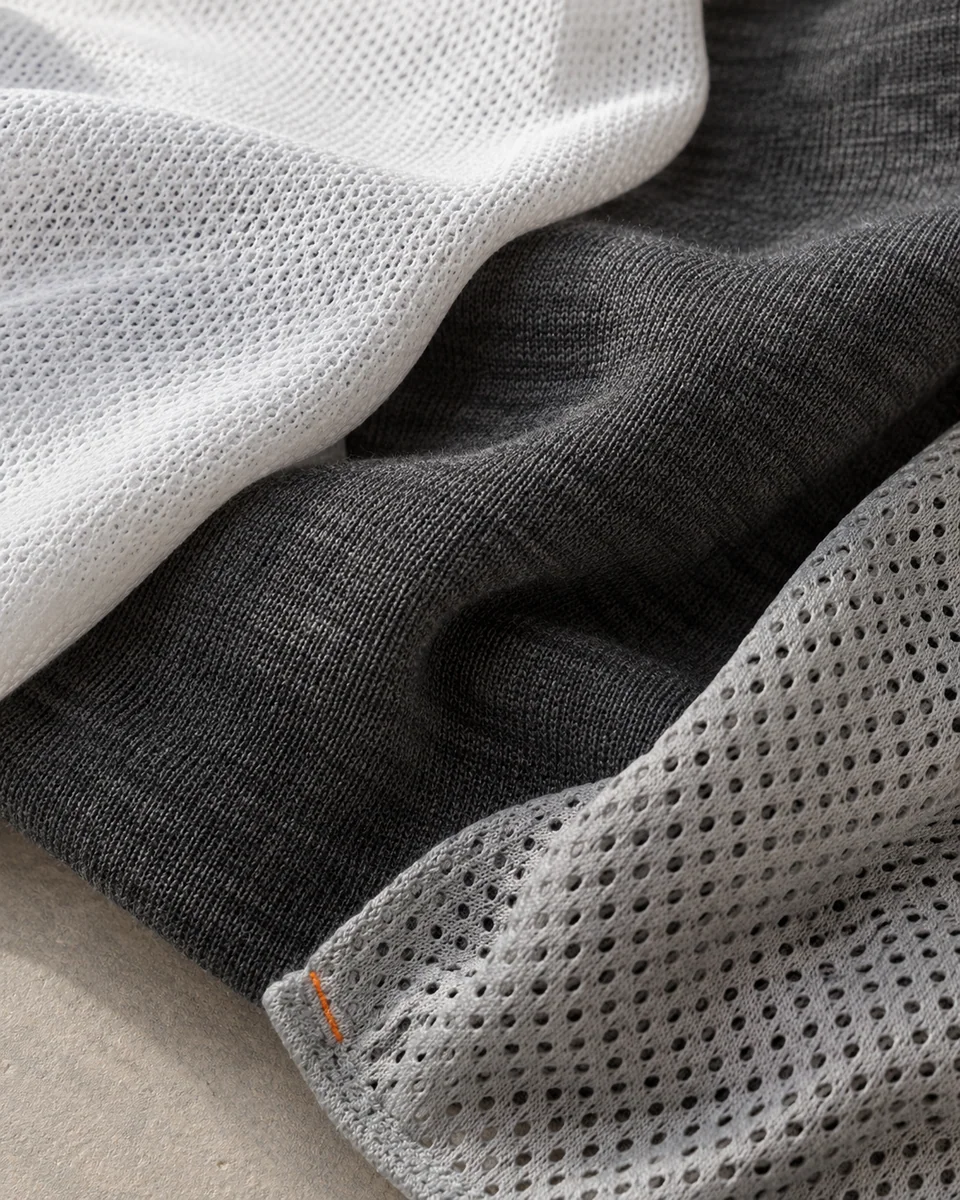
  1. Photographic-style AI illustration of layered white mesh, charcoal knit and grey mesh with clear textile loops and natural folds

    01 / Material reference

    Fabric

    Choose composition, g/m² and colour for each garment. Connect the fabric reference to the sample.

    Explore materials ↗
    AI illustration · Fabric texture
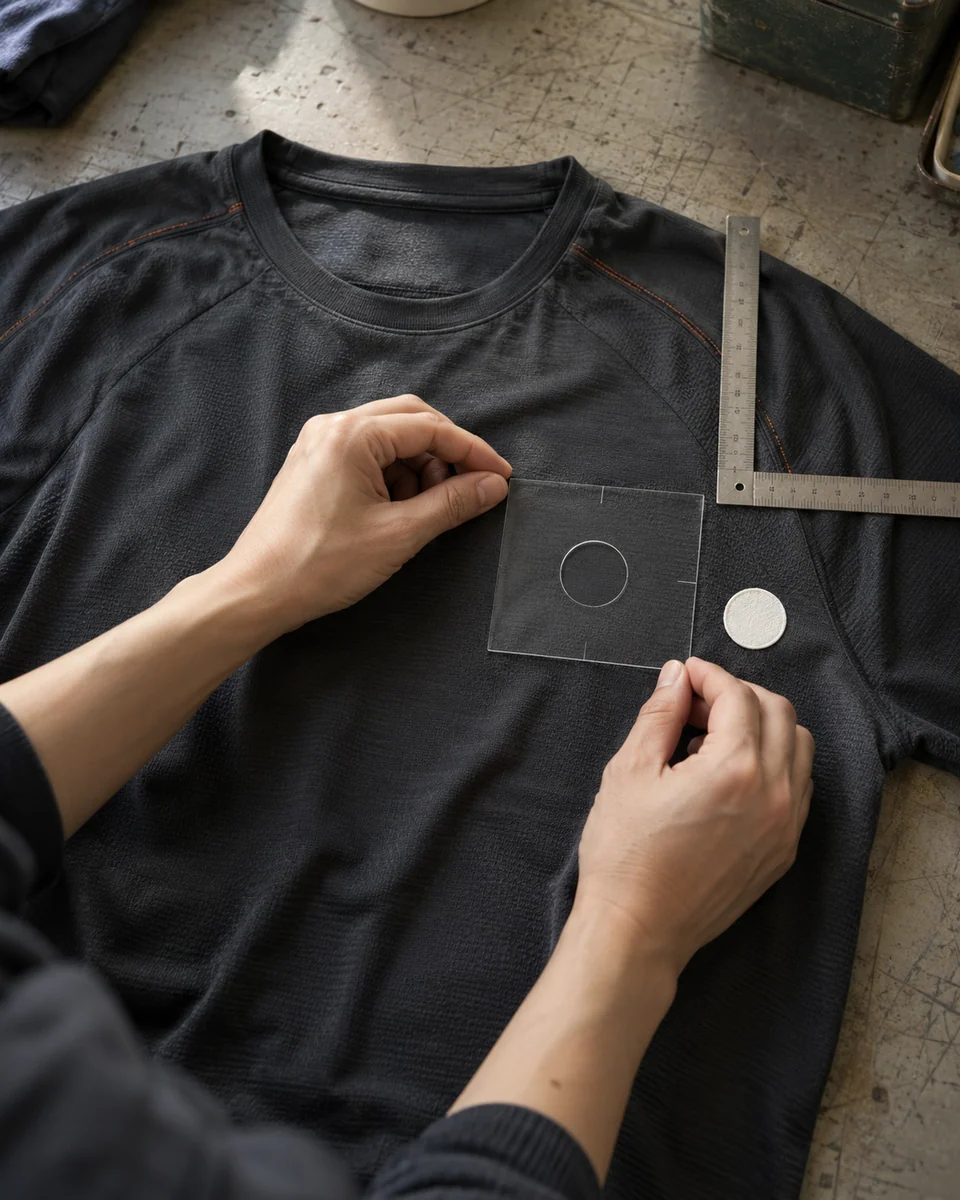
  2. Photographic-style AI illustration of hands positioning a transparent chest-mark guide on a charcoal training shirt beside a right-angle ruler

    02 / Artwork position

    Mark Placement

    Set artwork size and position on the garment. Review seams, openings, names and numbers together.

    Review placement ↗
    AI illustration · Mark placement
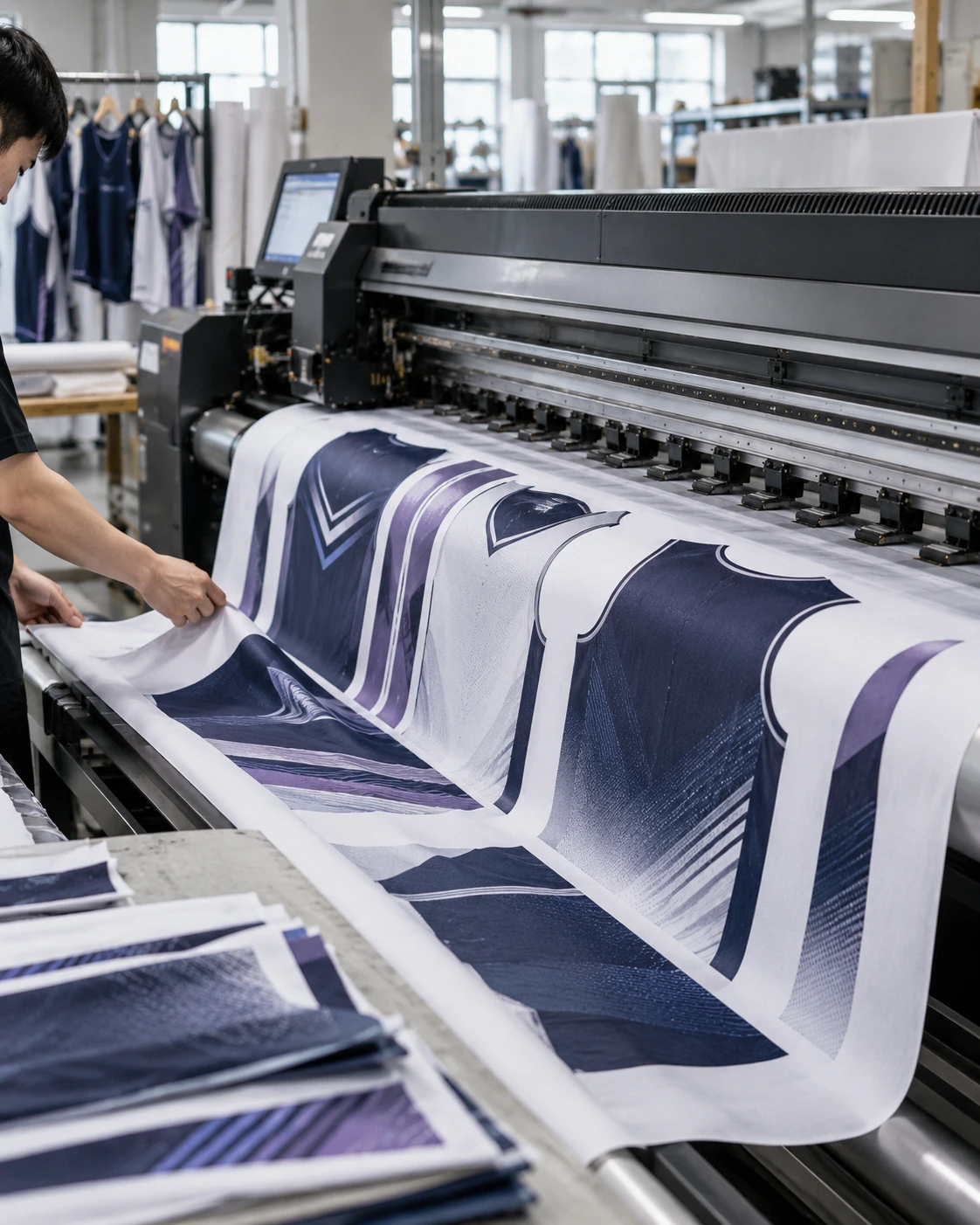
  3. Printed navy and white garment panels beneath the print carriageEmbroidery needle and stitched emblem on navy fabric held in a hoop

    03 / Decoration

    Printing & Embroidery

    Compare printed artwork and stitched identity. Confirm the material, placement and effect on the sample.

    Explore processes ↗
    Supplied process detail reference
  4. Sewing needle, brand label and care label at a navy garment neckline

    04 / Garment identity

    Brand & Care Labels

    Bring approved brand and care-label files into the specification, with wording and placement defined for each garment.

    Review brand details ↗
    Supplied process detail reference
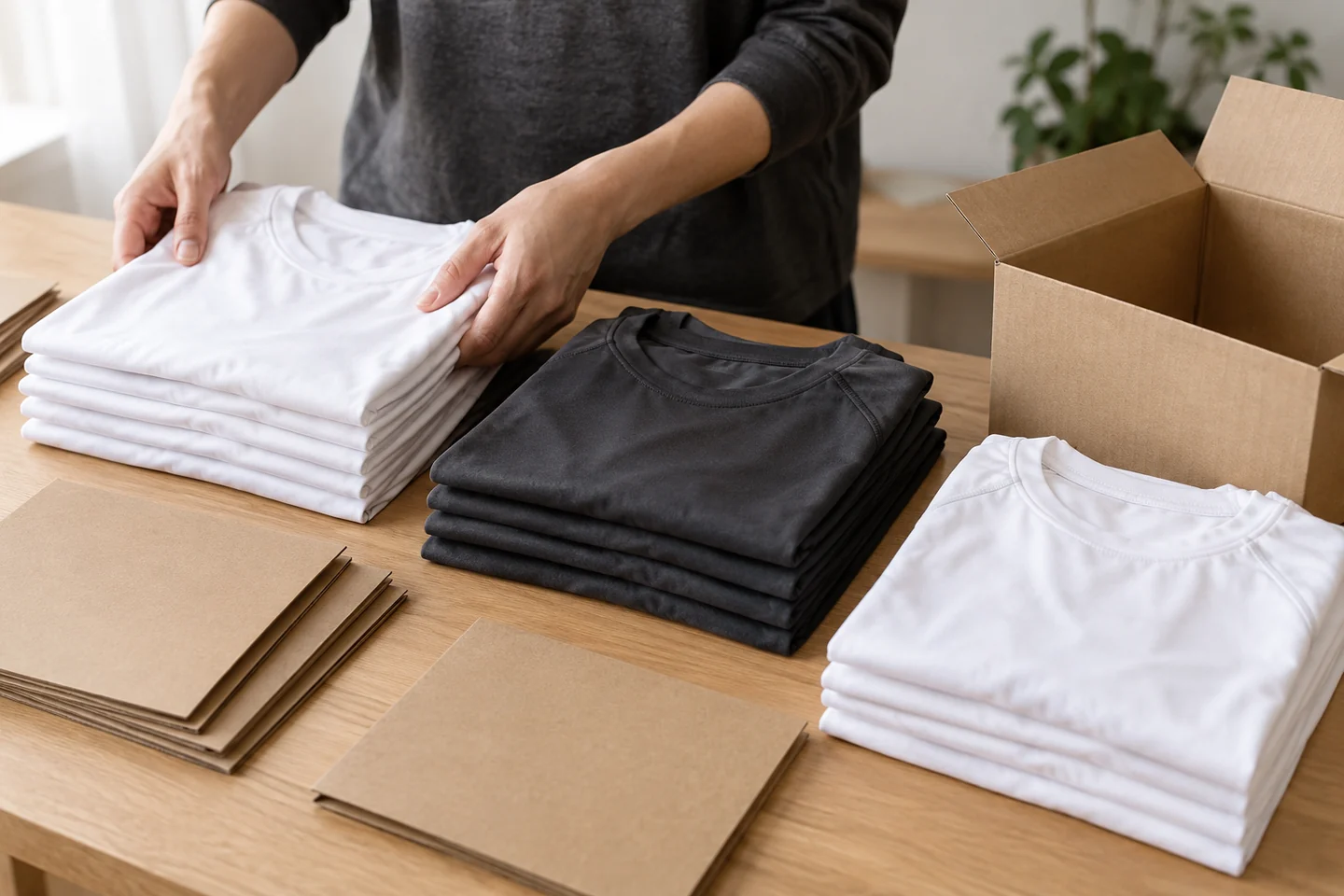
  5. Hands placing a folded navy garment into a clear individual bag

    05 / Finished presentation

    Packing

    Plan player allocation or retail presentation through size identification, bag configuration and carton marks.

    Explore packing inputs ↗
    Supplied process detail reference

Choose the effect, not just a method name

Three identity routes.
Different sample questions.

Dye sublimation

Artwork is transferred into a compatible polyester-based surface rather than added as a separate stitched badge.

Useful directionUseful when a compatible garment needs broad colour coverage, gradients or integrated names and numbers.

Review on the sampleColour direction, fine detail, seam transitions and the actual garment sample.

Embroidery

Thread forms the mark and the fabric is stabilised for stitching.

Useful directionOften considered for crests, names or smaller identity marks where the garment and placement can support stitching.

Review on the sampleDigitised shape, small-detail legibility, backing, puckering and reverse-side comfort.

Heat transfer

A prepared transfer is applied to the garment surface with controlled heat and pressure.

Useful directionUseful for selected names, numbers and marks when the transfer system is compatible with the fabric and finish.

Review on the sampleAdhesion, edge definition, colour interaction, stretch behaviour and care route on the sample.

Compare all eight method references ↗

A reference at every checkpoint

A detail to make.
A reference to check.

Sample approval links the material, measurements and artwork to the production version. Incoming-fabric, first-piece, in-process and final checks keep that reference in view.

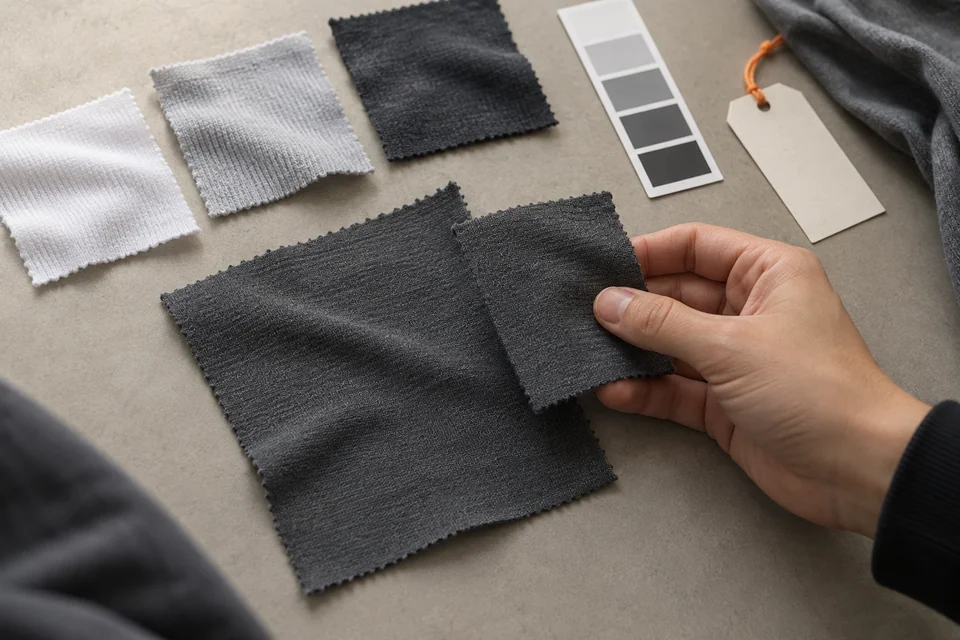
Photographic-style AI illustration of a hand comparing two charcoal knit swatches beside neutral fabric samples and an unlabelled shade strip
AI illustration · Swatch comparison
Fabric / shade / g/m²

Material reference

Connect the chosen fabric and colour reference to the garment. The same team colour does not make a jersey and travel layer the same material.

Checkpoint
Incoming fabric weight & colour
Record type to discuss
Applicable fabric-performance or colourfastness report
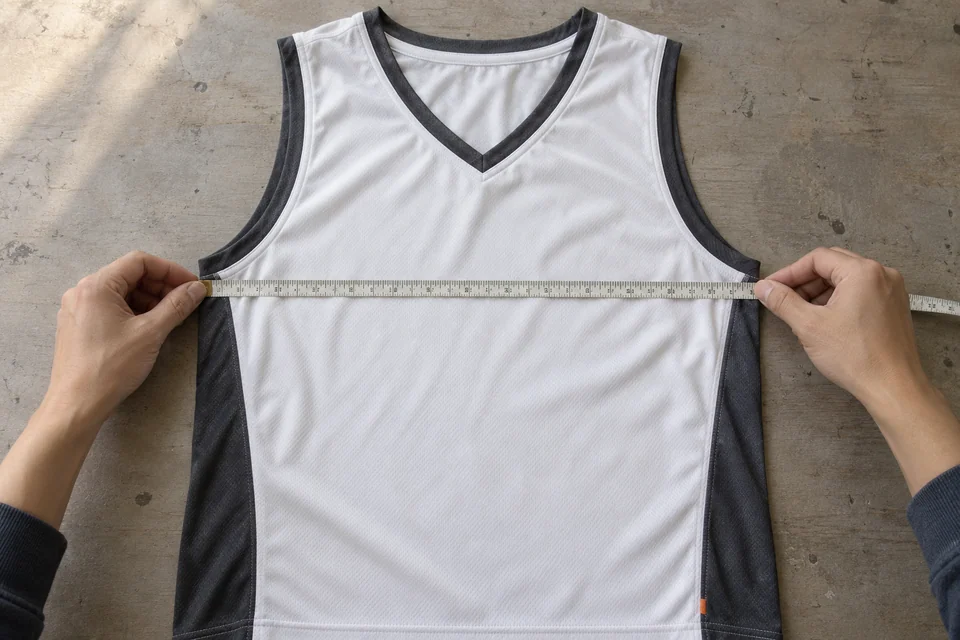
Photographic-style AI illustration of a flat sleeveless court jersey measured horizontally across the chest between its side seams
AI illustration · Size review
Measurement points / fit / tolerance

Size reference

Keep a named sample size and size sheet together. Record the points and tolerances being reviewed so a fit comment becomes a measurable next action.

Checkpoint
First piece & production-stage checks
Record type to discuss
Size-tolerance report
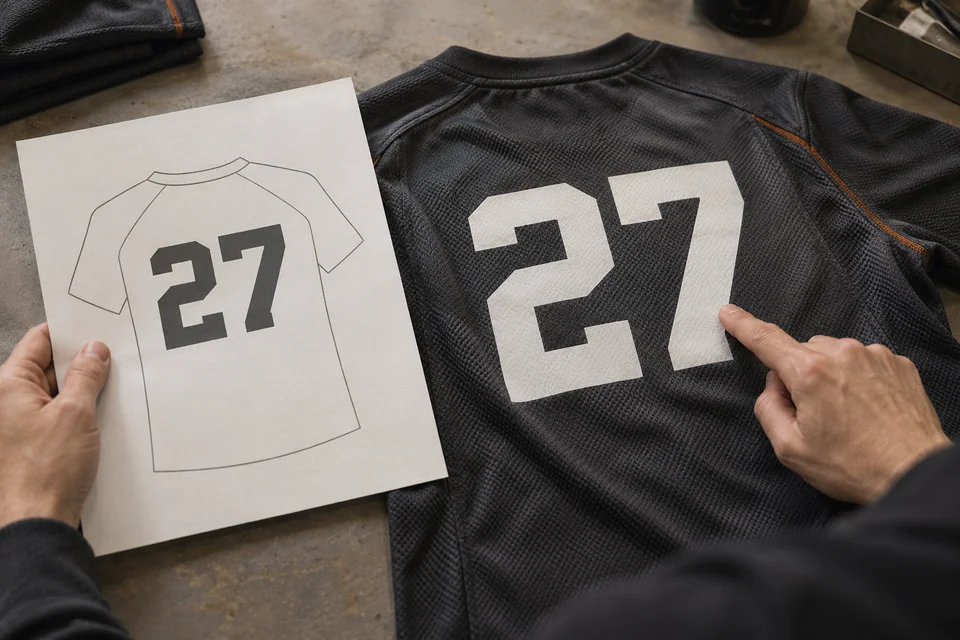
Photographic-style AI illustration comparing a generic number 27 on a charcoal jersey with number 27 on a matching layout-reference sheet
AI illustration · Artwork review
Placement / size / roster version

Artwork reference

Connect the logo and number layout to its actual garment position. Keep final artwork and any personalised roster linked to the approved production version.

Checkpoint
In-process & final fit, colour, stitching
Record type to discuss
Final-inspection report
01

Incoming Fabric Checks

Check incoming fabric weight and colour variation against the requirements agreed for the project.

02

First-Piece Inspection

Review the first piece against the agreed product requirements as production begins.

03

In-Process Checks

Carry out quality checks during production to review garment details against the confirmed reference.

04

Final Inspection

Before shipment release, check finished garments against the approved sample for fit, colour and stitching.

Blank worksheet example · not an inspection report

Make the review
specific enough to record.

Applicable size-tolerance, final-inspection and relevant fabric-performance or colourfastness reports can be provided according to the product and order requirements. Set the report scope before production.

Explore quality planning ↗Review documentation scope ↗
Product / reference version
—
Sample identity / size
—
Measurement or check point
—
Agreed tolerance / criterion
—
Observation / proposed action
—
Recheck / reviewer / date
—

The development process

From brief
to build.

One stage at a time. Keep the input, confirmation and next working reference connected.

01 / Brief

Start with the wearer.

Connect the product to the people, purpose and market it is being made for.

A useful first brief explains the project before it tries to specify every technical detail.

Separate who buys, who wears and who approves. A brand developer, team manager and event procurement team may need the same shirt category for different reasons. Record the products and intended users first, then connect quantity estimates, destination and the date the goods need to be available.

  • List the shirt, shorts, layers and accessories as separate lines; do not use one total to imply the quantity of every item.
  • Name the reference files or physical samples already available and the decisions still open.
  • Identify the person who consolidates comments and the people who approve fit, artwork and commercial terms.

Illustrative starting brief: a club needs player matchwear, coach warm-up tops and individual bags. The first project map separates those three wearer/product groups before discussing a shared colour direction.

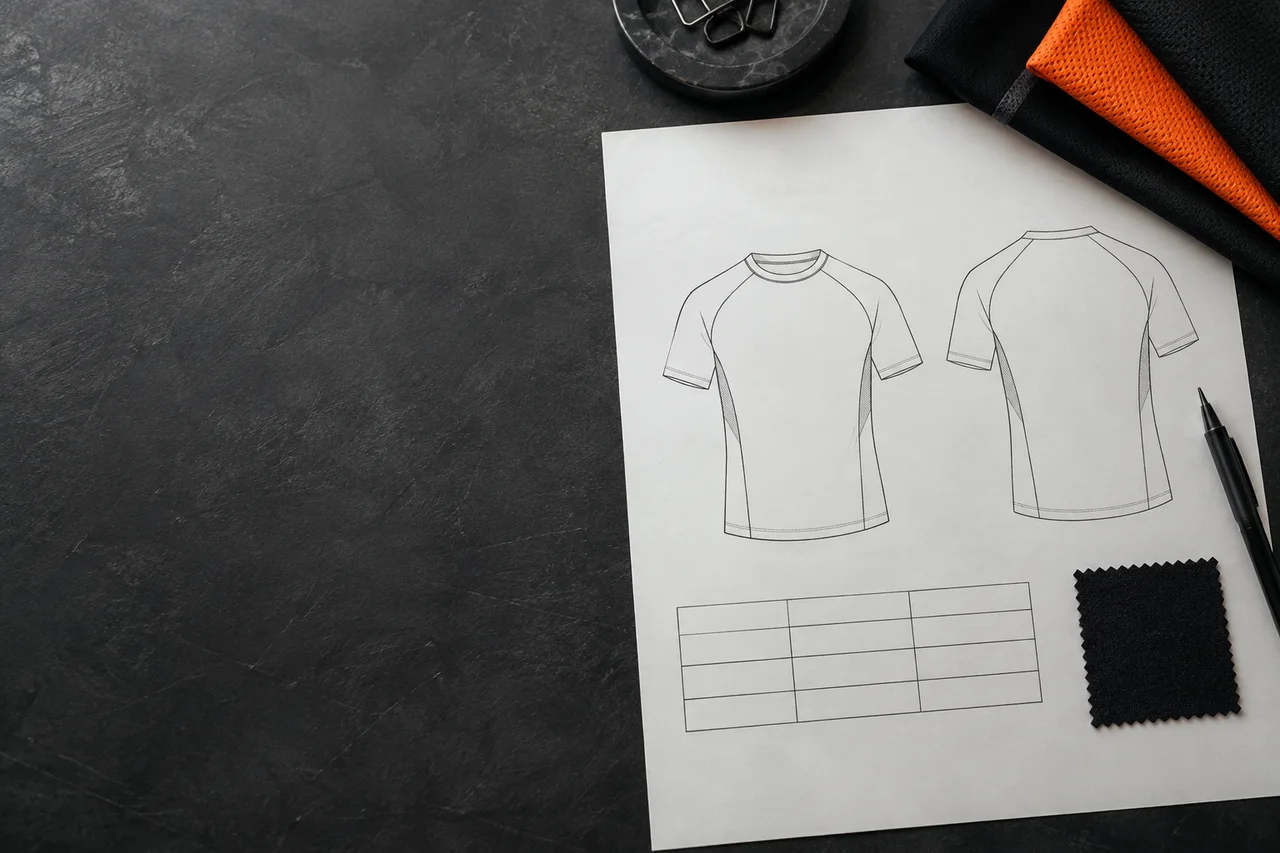
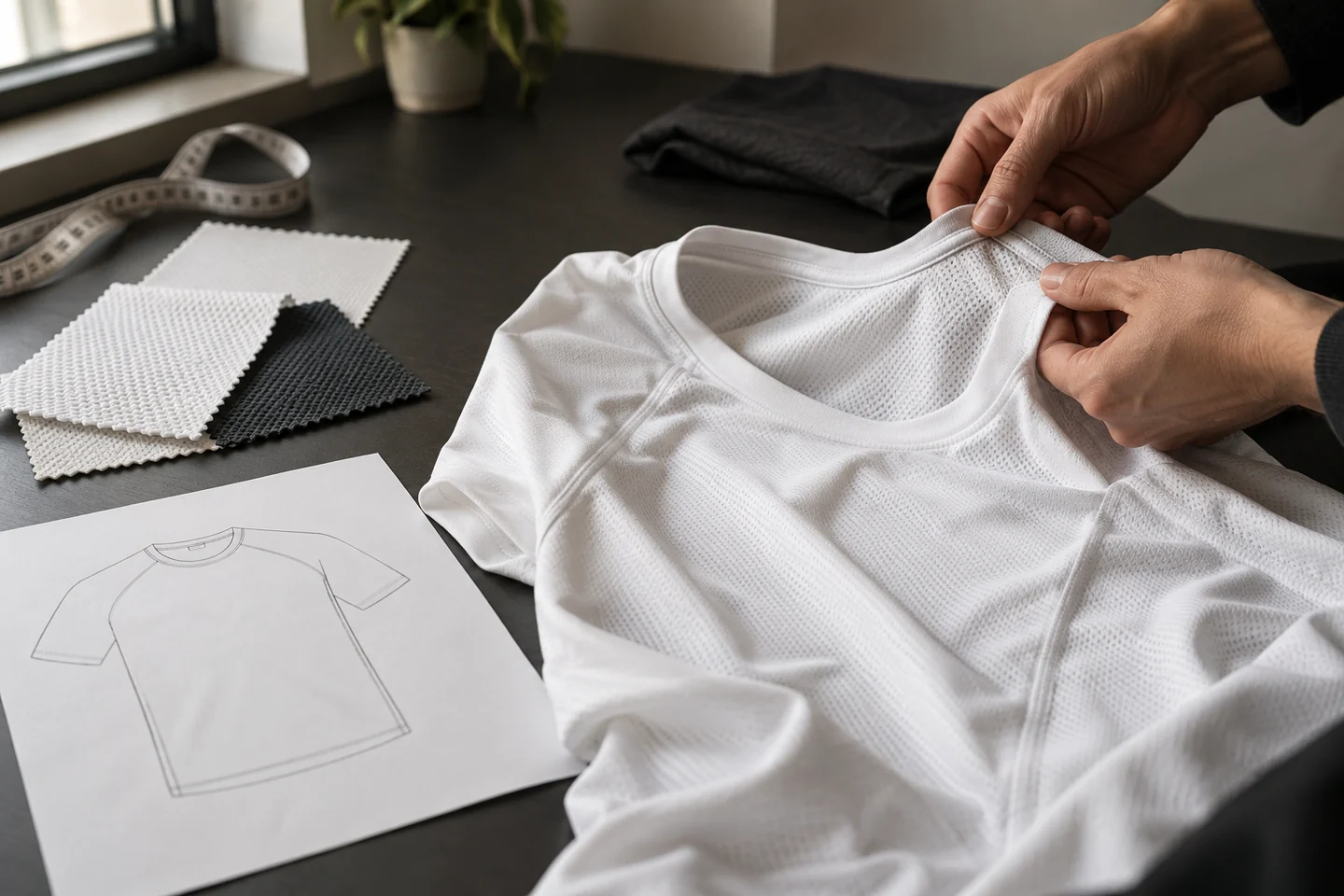
Illustrative technical garment sheet with a fabric reference on a dark worktable
Development illustration · not a completed project record
Read all six development checkpoints

Brief: Start with the wearer.

Connect the product to the people, purpose and market it is being made for.

You bring
Product scope, wearer groups, quantity direction, destination and required arrival.
Review together
The brief owner, product lines, intended use and the questions to resolve before quoting.
Working output
A shared project brief with separate product and quantity lines.

Define / develop: Make the direction workable.

OEM fills the specification gaps. ODM develops the concept, fit, fabric and construction.

You bring
Your specification or idea, references, artwork and material preferences.
Review together
Product-specific feasibility, construction, proposed material and the development scope.
Working output
A versioned specification or concept ready for sample planning.

Sample: See. Feel. Refine.

Review the physical reference for appearance, measurements, material and finish.

You bring
A sample brief and consolidated feedback from the people who approve it.
Review together
What each sample approves, the changes requested and whether another review is needed.
Working output
Recorded feedback, revised references and the next sample decision.

Approve: Agree the version.

Connect the accepted sample with the files, quantities and conditions released for production.

You bring
Accepted sample, artwork/roster, sizes, quantities, labels, packing and commercial terms.
Review together
Final file revisions, approval responsibilities, change handling and production start conditions.
Working output
A written product-specific approval record linked to the accepted sample and final files.

Produce & review: Keep the reference in view.

Move production forward against the confirmed version and agreed checkpoints.

You bring
The approved product reference and agreed production and quality requirements.
Review together
Applicable production route, inspection points and how changes or differences are reviewed.
Working output
Production communication and the applicable review records.

Check & pack: Prepare the handover.

Connect garment identification, packing quantities and the delivery plan.

You bring
Packing allocation, destination, document needs and agreed transport responsibilities.
Review together
Final-check scope, size/roster quantities, marks, packing records and dispatch arrangements.
Working output
The agreed packing and delivery-coordination plan; dispatch and arrival remain separate.

Agree sample rounds, charges, timing, inspection scope and tolerances for your project. Production completion, dispatch and destination arrival are separate milestones.

Make the decisions that matter

Your identity.
In every detail.

Review fit, material, artwork and presentation together. The sample connects these choices to the actual product.

Fit & construction

Start with the sport, wearer and movement—not a universal jersey shape.

Review sport-specific options ↗
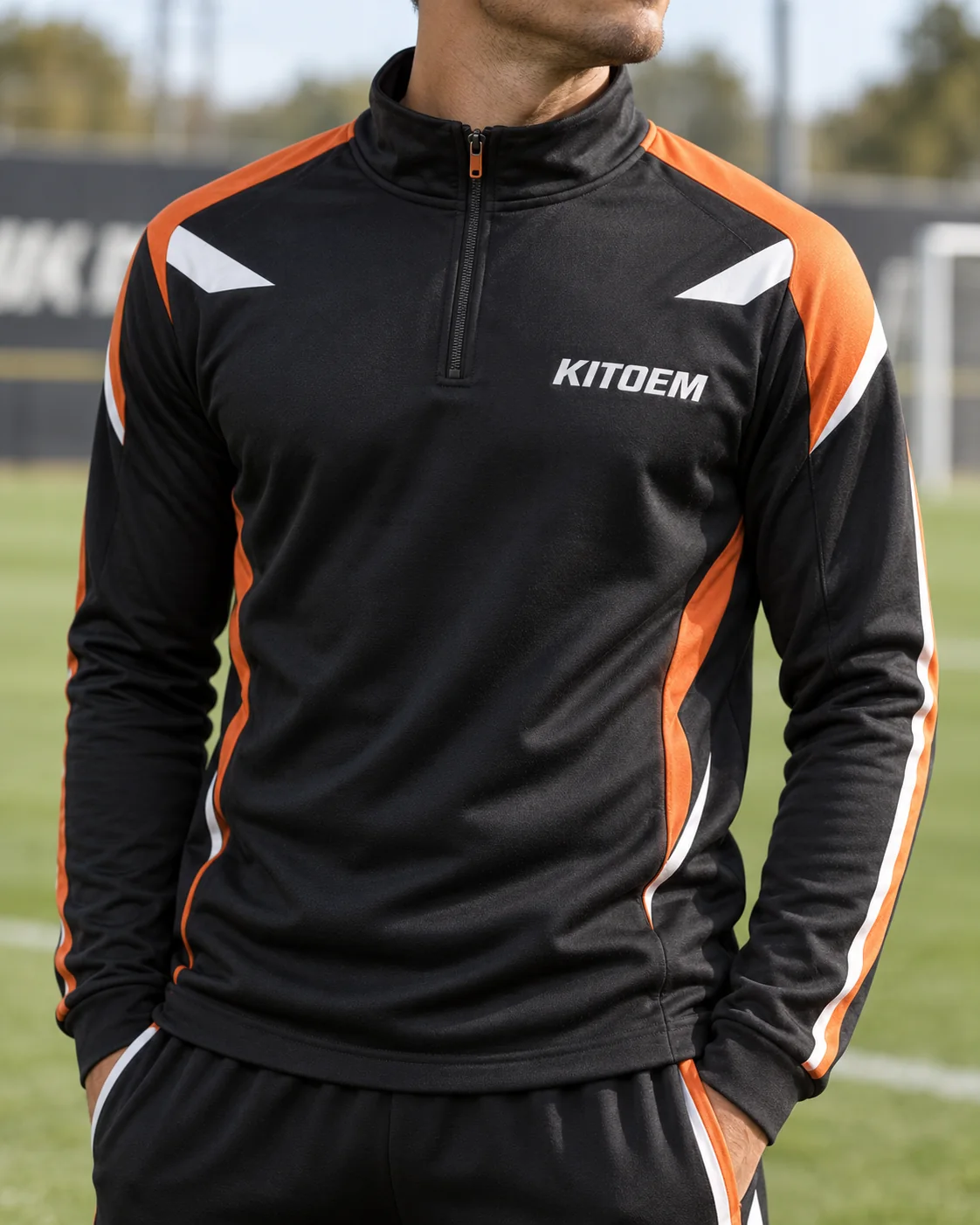
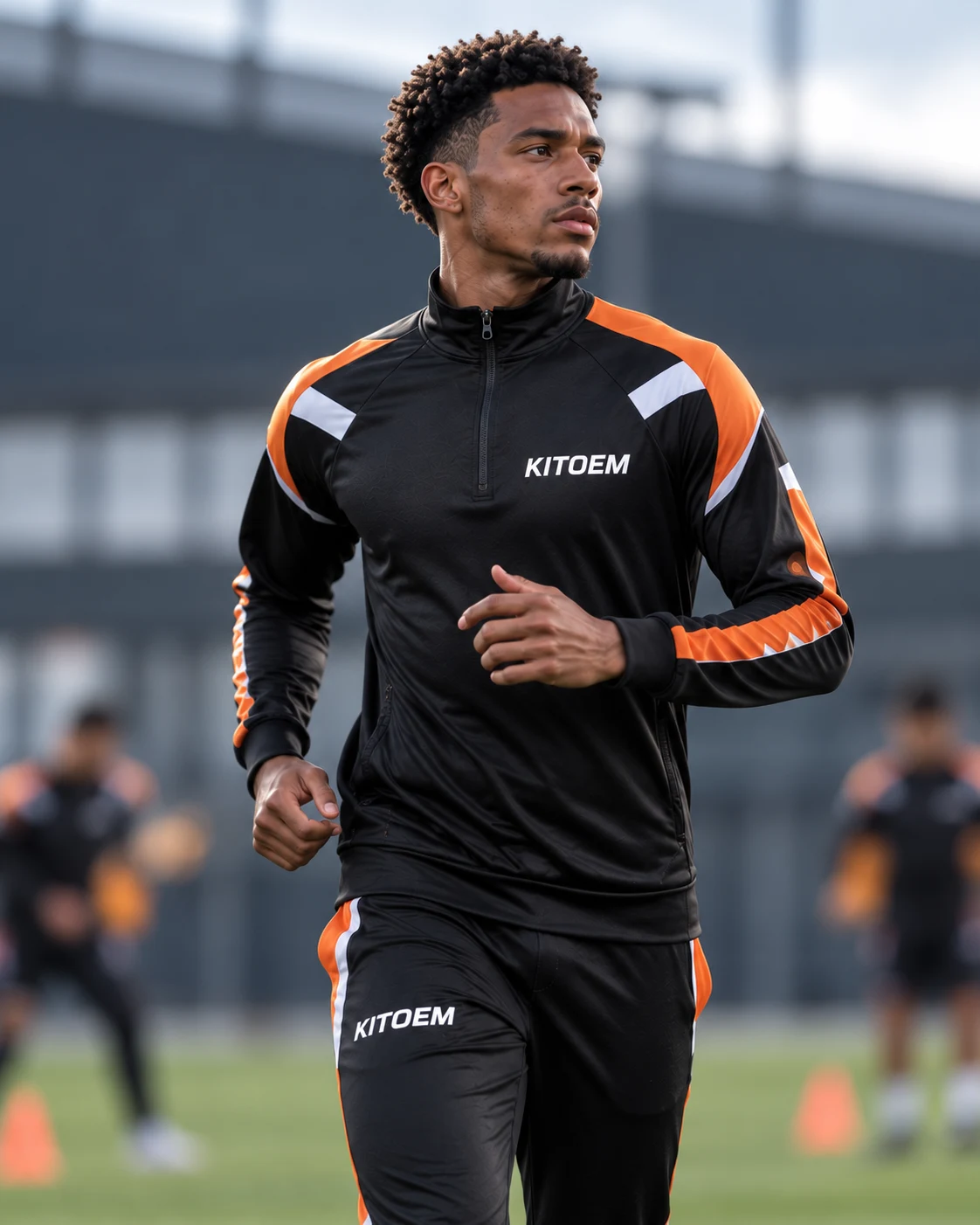
Close view of a black KITOEM training top with a stand collar, short front zip, orange shoulder and side panels and white accents
Training top · styling reference
Bring to the discussion
Measurements, fit reference, garment type, neckline, sleeves, panels and pocket needs.
Confirm on the sample
Fit, opening sizes, seam positions, trim function and the accepted construction.

Start with the garment in use: how it moves, what it is worn over and the places where the fit needs attention. Bring a measurement reference as well as size names. A label such as M or L does not explain the body length, opening or ease you want.

For a coordinated outfit, treat upper and lower pieces independently. Record the accepted pattern/measurement reference for each garment, then connect names, numbers or colourways to the relevant product.

A useful product reference includes

  • Garment measurements and wearer-fit reference
  • Neckline, arm/sleeve opening, panels and hems
  • Closures, pockets and layering requirements
  • Size-specific differences and revision record
Prepare separate jersey and short specifications ↗
Discuss your customisation ↗
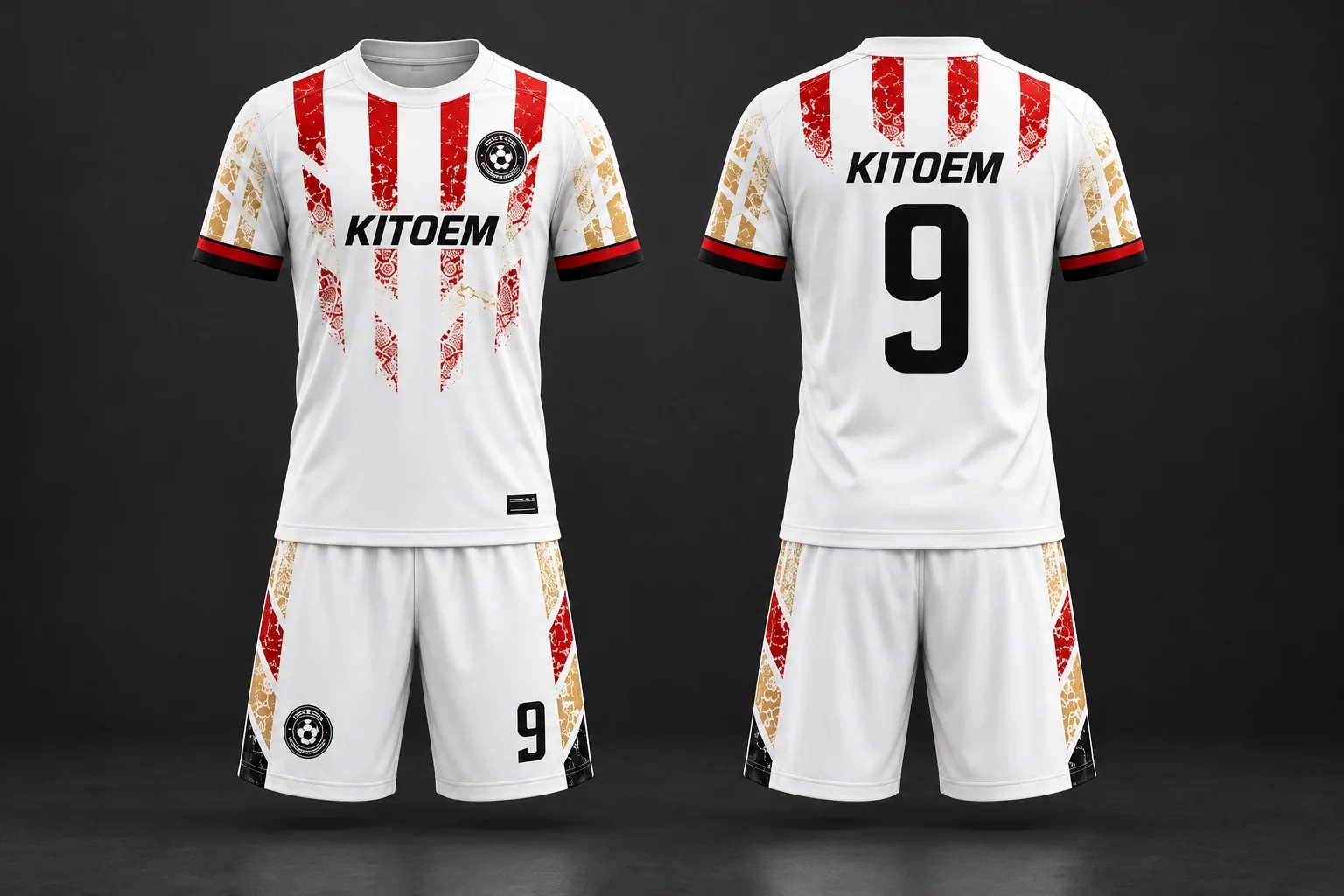
Explore a football artwork-placement example +

One garment example—not the construction or placement rules for every sport.

front football garment example for placement discussion

front / Club crest

Club crest

Confirm the final mark, physical size, colour reference and distance from seams.

  • Club crest: Confirm the final mark, physical size, colour reference and distance from seams.
  • Front sponsor: Approve the final artwork at its intended physical size on the selected fabric.
  • Team name: Check hierarchy against the crest, sponsor and garment construction.
  • Player name: Use one approved font, case rule and controlled roster.
  • Player number: Approve size, position, contrast and every roster entry before release.
  • Short number: Confirm the leg, size and relationship to the shirt roster.
  • Short crest: Check scale and available panel area on the approved short pattern.
Read the artwork-approval guide ↗
Compare decoration methods +

Browse a method without selecting it for your project. Suitability depends on the garment, fabric, artwork and approved sample.

Illustrative reference for Dye sublimation

Dye sublimation

Artwork is transferred into a compatible polyester-based surface rather than added as a separate stitched badge.

Useful when a compatible garment needs broad colour coverage, gradients or integrated names and numbers.

You provide
Vector artwork, colour references, full placement files and the intended base fabric.
Sample confirms
Colour direction, fine detail, seam transitions and the actual garment sample.
Read all eight method references

Dye sublimation

Artwork is transferred into a compatible polyester-based surface rather than added as a separate stitched badge. Useful when a compatible garment needs broad colour coverage, gradients or integrated names and numbers.

You provide: Vector artwork, colour references, full placement files and the intended base fabric.

Sample confirms: Colour direction, fine detail, seam transitions and the actual garment sample.

Embroidery

Thread forms the mark and the fabric is stabilised for stitching. Often considered for crests, names or smaller identity marks where the garment and placement can support stitching.

You provide: Clean artwork, final size, thread-colour direction and exact placement.

Sample confirms: Digitised shape, small-detail legibility, backing, puckering and reverse-side comfort.

Screen printing

Ink is deposited through prepared screens and cured on the textile surface. Can suit repeated graphic areas when fabric, ink system, colour count and construction are compatible.

You provide: Separated artwork, colour references, dimensions, placement and garment material.

Sample confirms: Coverage, hand feel, edge definition, cure evidence requested for the project and final sample appearance.

Flock printing

A raised fibre surface creates a soft, dimensional finish. Can be explored for selected names, numbers or marks where texture is part of the design direction.

You provide: Final artwork, size, colour and intended garment placement.

Sample confirms: Edge quality, pile appearance, hand feel and sample compatibility with the fabric.

Heat transfer

A prepared transfer is applied to the garment surface with controlled heat and pressure. Useful for selected names, numbers and marks when the transfer system is compatible with the fabric and finish.

You provide: Artwork, final dimensions, colour, placement and the exact garment or fabric.

Sample confirms: Adhesion, edge definition, colour interaction, stretch behaviour and care route on the sample.

Reflective print

A reflective material or ink is applied as a visible design element. Consider when reflected-light appearance is part of the brief; visibility performance must be specified and verified separately.

You provide: Artwork, placement, required appearance and any applicable test requirement.

Sample confirms: Daylight appearance, reflected-light effect, edge quality and documented test scope if required.

Metallic foil

A metallic-effect surface is applied to create a bright visual accent. Best treated as a selected artwork finish rather than a default route for every mark or fabric.

You provide: Final artwork, foil colour direction, size, placement and garment surface.

Sample confirms: Coverage, creasing, edge quality, hand feel and the finished sample.

TPU badge

A moulded or layered badge is prepared separately and then attached to the garment. Can suit compact identity marks when badge construction, attachment and garment surface are compatible.

You provide: Vector artwork, dimensions, relief direction, colours and intended attachment area.

Sample confirms: Shape, relief, colour, edge, attachment method and garment sample.

Use existing products as a starting reference +

These are individual catalogue examples, not a fixed bundle or the complete multi-sport development range. Viewing them does not add an enquiry item.

Match

Training

Travel

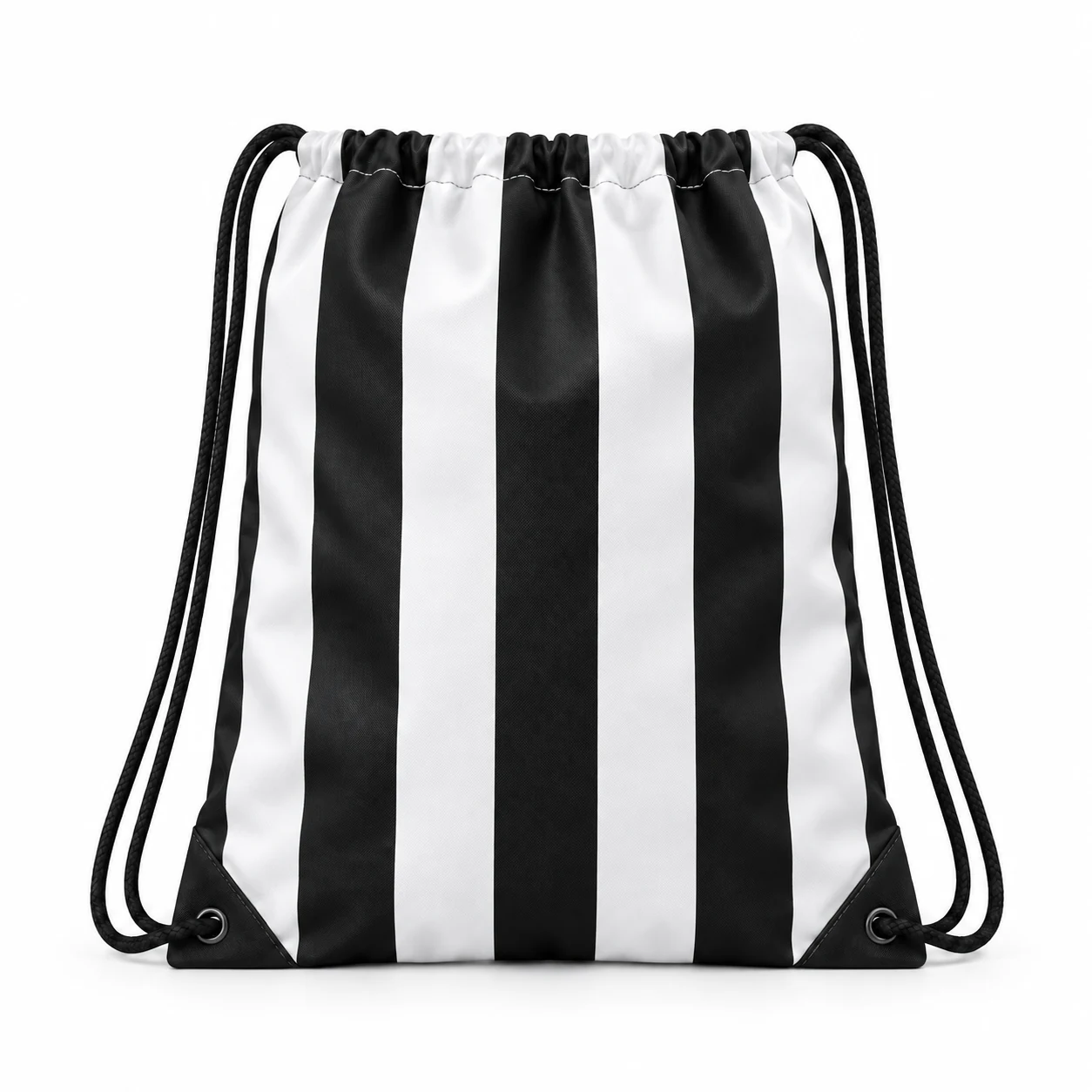
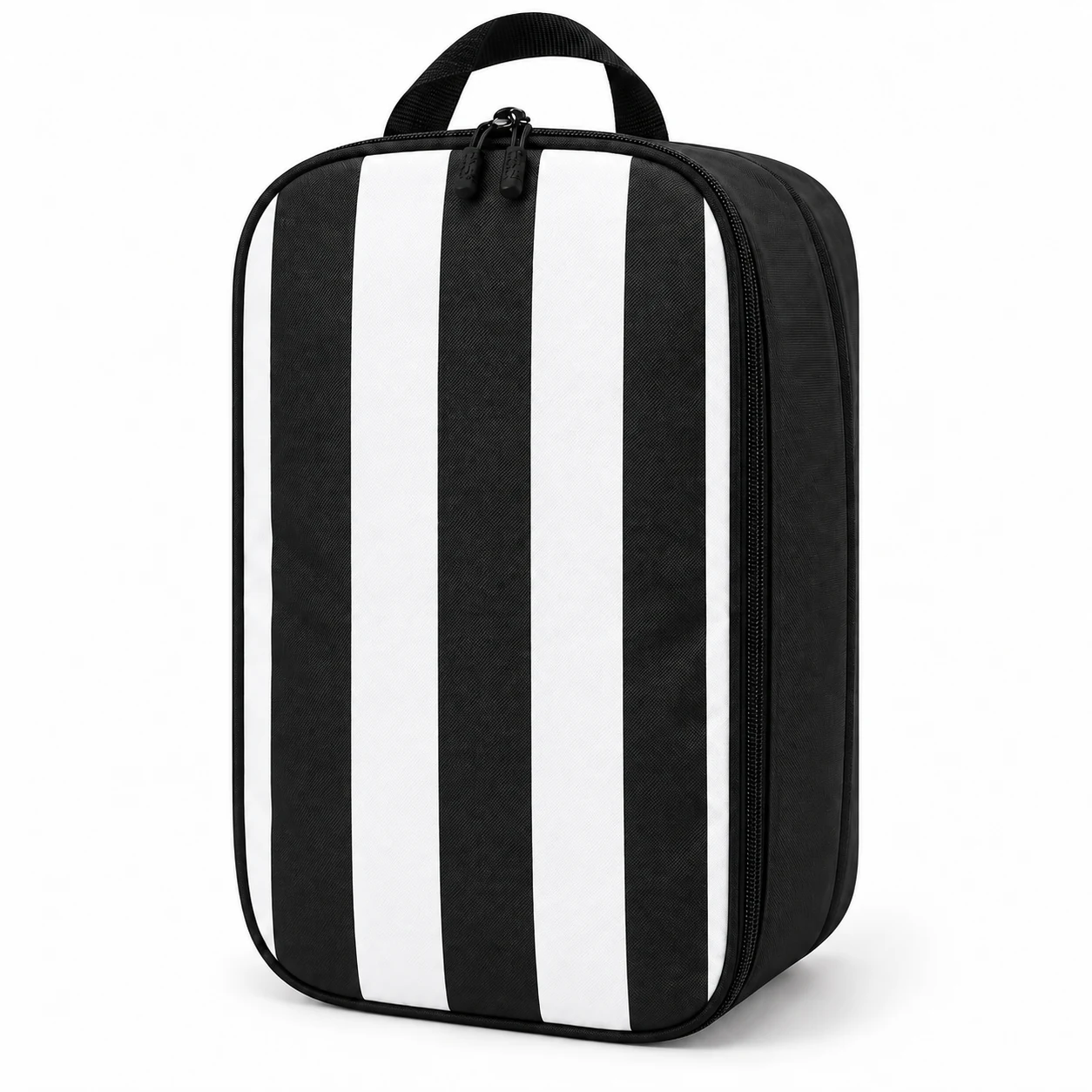
Accessories

Configure the existing Club Player Pack ↗
Plan separate bag formats +
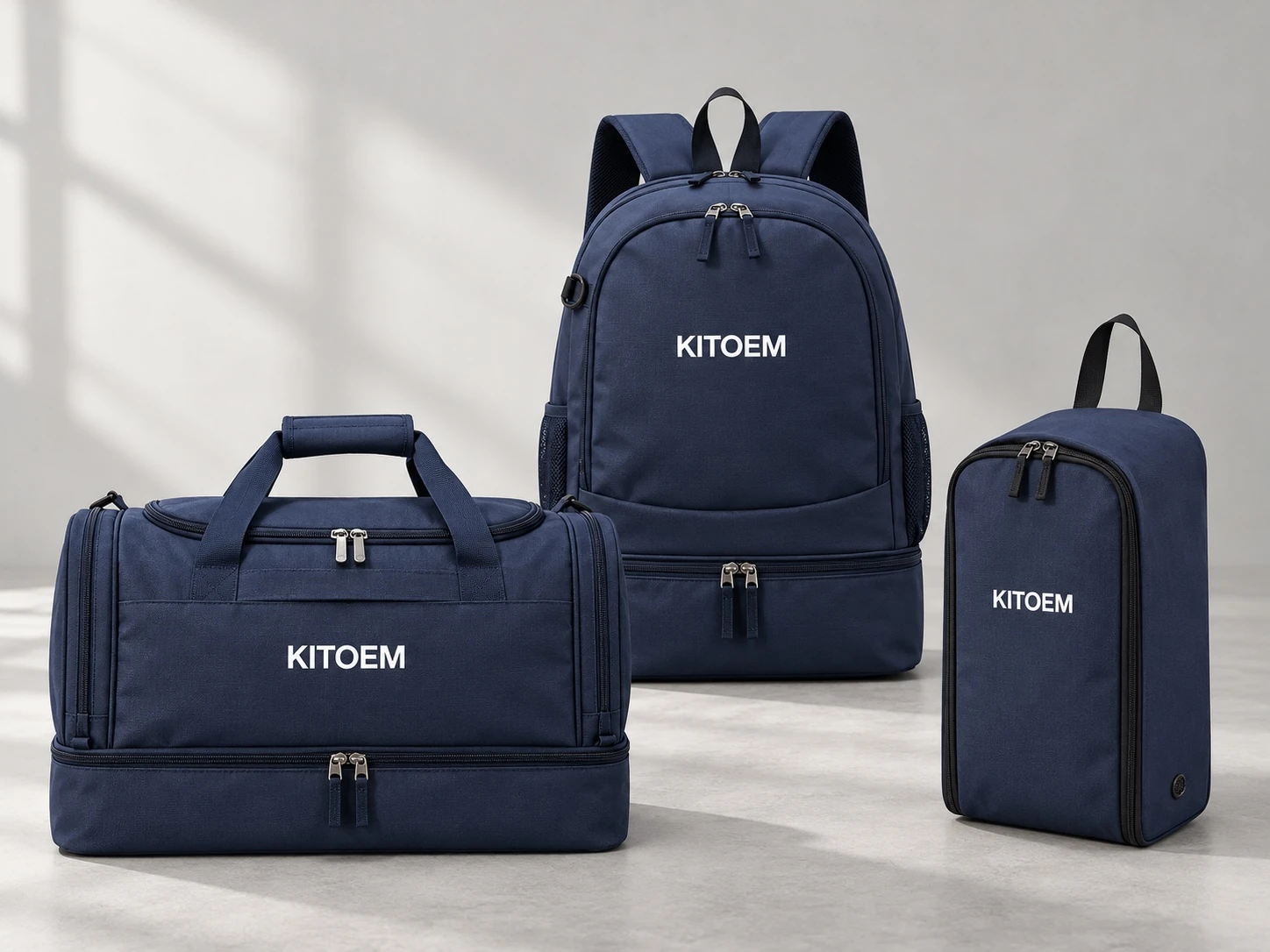
Coordinated navy backpack, kit duffle and separate boot bag

One identity. Separate formats.

A backpack, kit duffle and boot bag can share a colour and identity direction while keeping dimensions, compartments, materials, contents, quantities and sample requirements independent.

Bring the intended load-out, format quantities, colours, logo/name/number needs and destination. Confirm measured dimensions, construction and artwork on the selected format.

Build the bag-set brief ↗Read the bag-specification guide ↗

Built for the next order

Keep the learning.
Build the next version.

KITOEM retains tech packs, colour references, size charts, approved samples and production versions, with a defined method for recording changes and confirming versions. The next order starts with identifiable references.

  1. Tech pack

    The garment drawings, construction notes and product specification.

  2. Colour reference

    The identified colour or swatch direction for the product.

  3. Size chart

    Measurement points and the agreed size reference.

  4. Approved sample

    The physical reference and the scope of its approval.

  5. Production version

    The accepted file/sample version and recorded changes.

01 / Original reference

Know what was approved.

Identify the product, accepted sample and the drawing, size and artwork versions.

02 / Recorded change

Make the update explicit.

Separate retained details from requested changes to fabric, fit, colour, artwork or quantities.

03 / New order reference

Agree the next version.

Connect the accepted changes and new order scope to the next production reference.

Illustrative version relationship, not a customer portal. Retained-sample periods follow each customer’s agreement; materials, colours and changes are reviewed for the new order.

Explore retained product records ↗

Go deeper

Explore the
supporting detail.

Follow the production, material and documentation references for your project. The coordinated football example below is a planning direction, separate from the cooperation records.

Explore the coordinated football range example +

Match, warm-up, travel and identity references illustrate range planning, not a separate verified customer result.

Coordinated range · Match / Training / Travel

Carry the identity.
Change the function.

A football range can connect the match shirt, warm-up layer, touchline jacket and player bag without turning them into one fixed bundle.

Two players wearing the same black and orange match-shirt identity with separate shorts

Match

Recognisable from the first whistle.

Set a shared colour hierarchy and a clear chest identity. Give the shirt, shorts and socks separate quantities, sizes and artwork approvals.

Bring to sample review
Confirm player and goalkeeper groups, shirt and short measurements, names, numbers and permitted sponsor positions.
Half-zip training top and separate training pants in the coordinated black and orange direction

Warm-up & training

The same identity. A different job.

Translate the match direction into a half-zip layer and training pants. Let movement, layering and changing needs guide the garment choice—not a requirement to repeat every graphic.

Bring to sample review
Review neck opening, zip length, sleeve and hem fit, pocket requirements and the size worn over the match shirt.
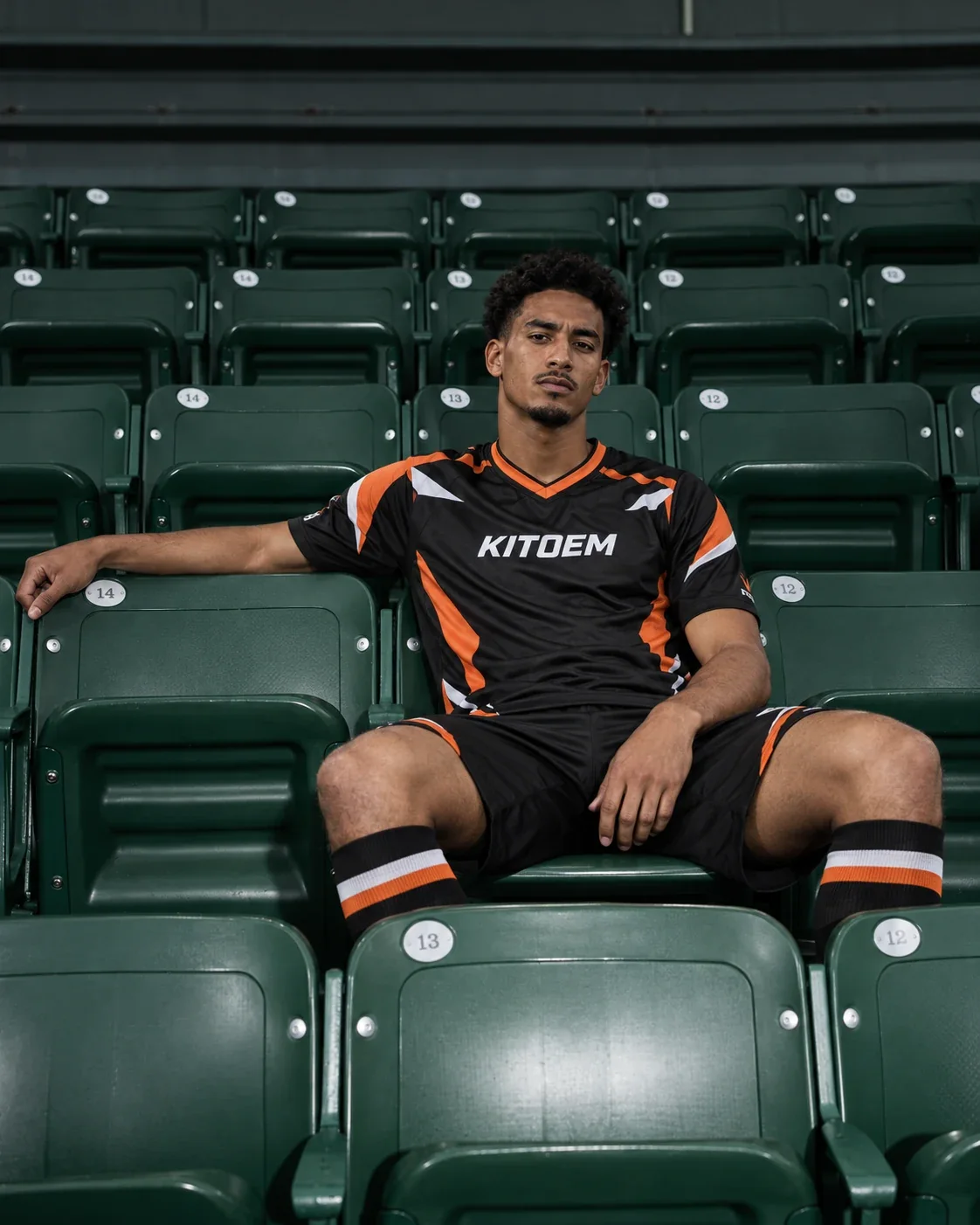
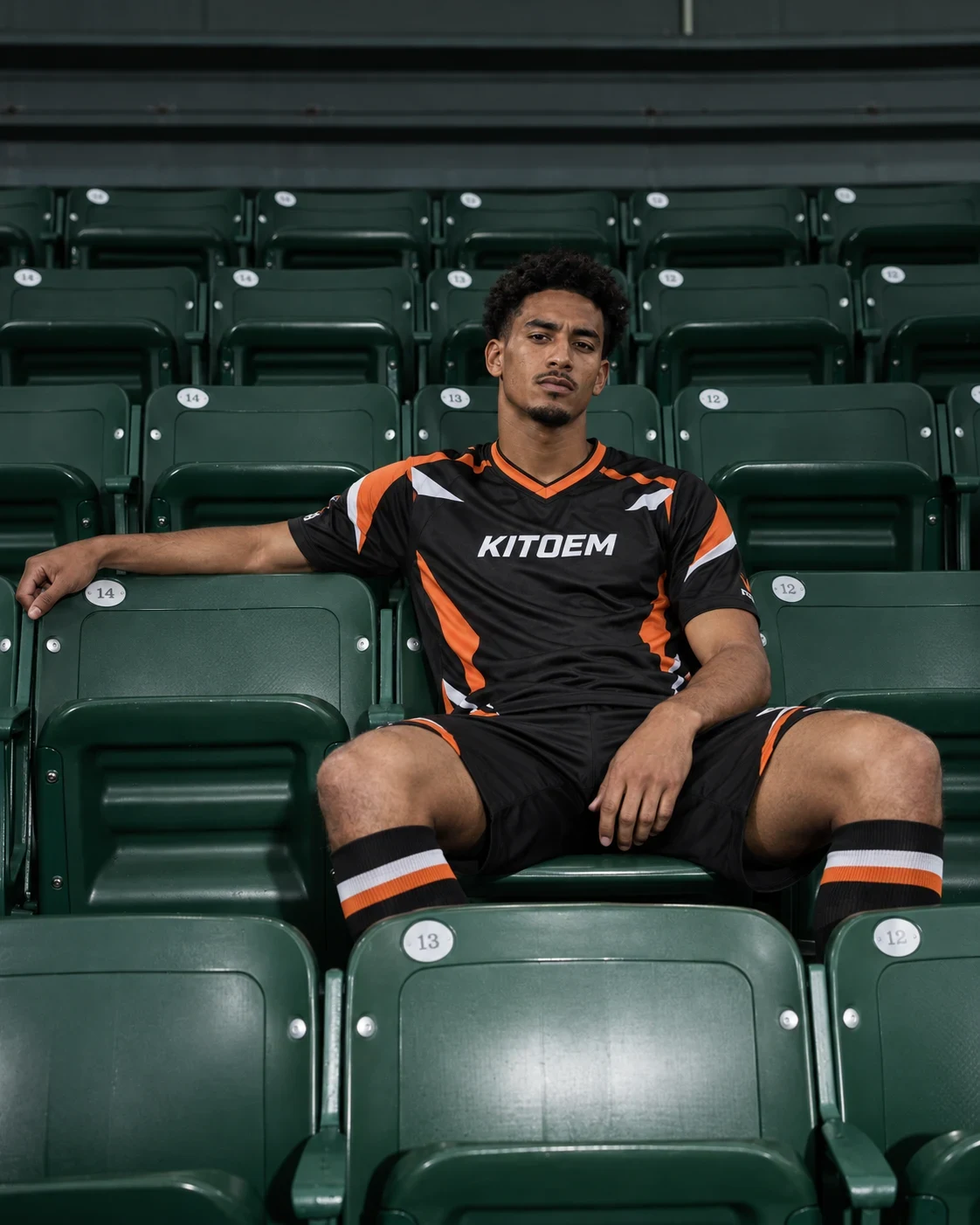
A single seated KITOEM football player in a black and orange shirt, shorts and socks on green stadium seats

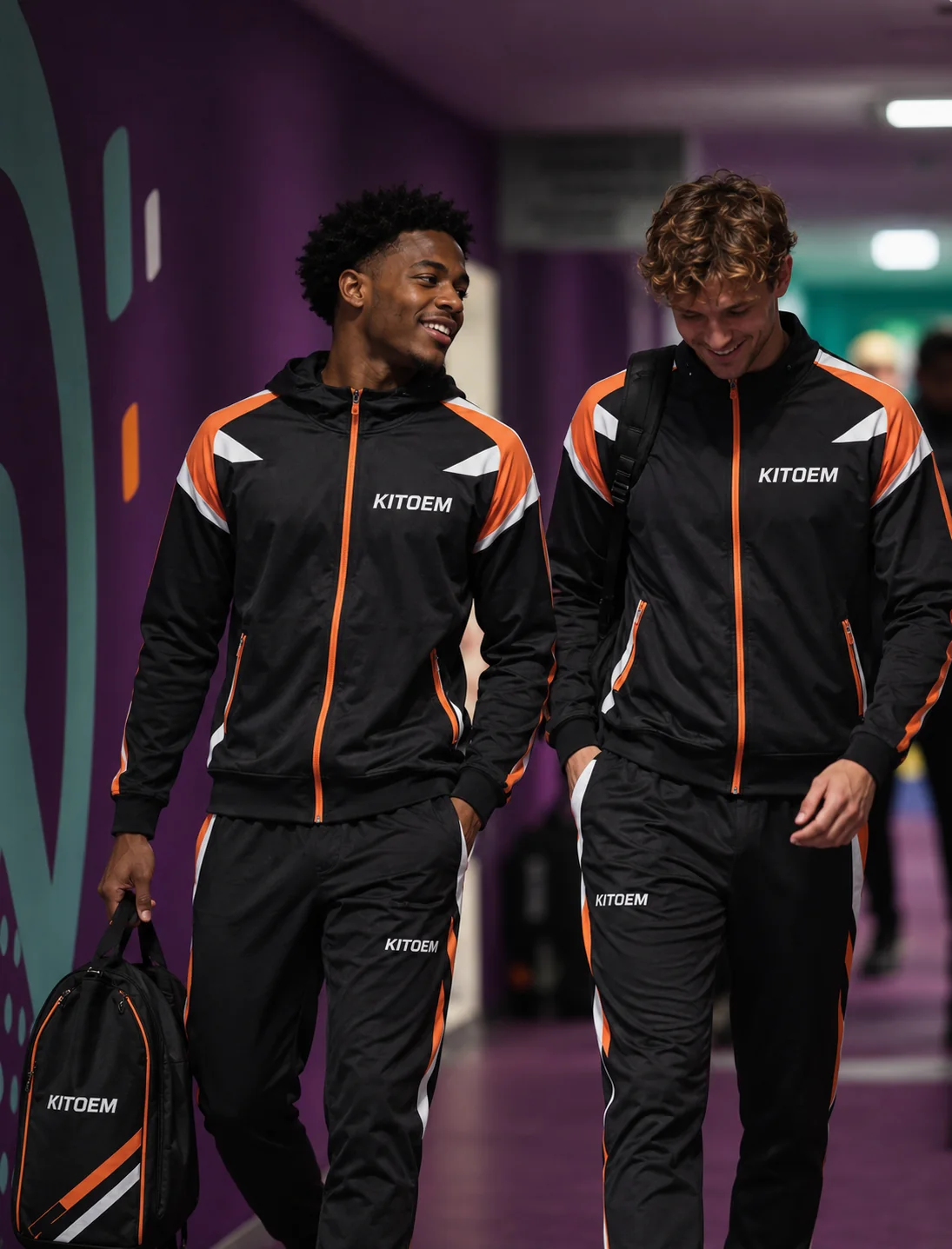
Travel & touchline

Identity beyond the match.

The seated player shows how the shirt, shorts and socks carry the same identity off the pitch. Discuss travel layers and individual bags as additional product lines, rather than assuming they are included in the outfit.

Bring to sample review
Confirm off-pitch wearer needs, layer fit, individual versus shared bags, material swatches and the supplier responsible for each accessory.
Seated football player showing the chest identity and coordinated short and sock direction

Identity details

One visual language. Measured placements.

Use a repeated primary mark and controlled accent colours. Adapt the physical artwork size to a chest, sleeve, short or bag rather than stretching one mock-up everywhere.

Bring to sample review
Approve one placement sheet per product, the actual decoration method, vector files and a version number before the roster is released.
Football match-use scene showing the coordinated shirt and short direction

Design for the moment it will be worn.

Match use, warm-up and travel create different fit and construction questions. Review movement on a physical garment, then keep the accepted material, measurements and artwork linked to its product record.

Read the complete range-planning guide →Plan a tournament programme →
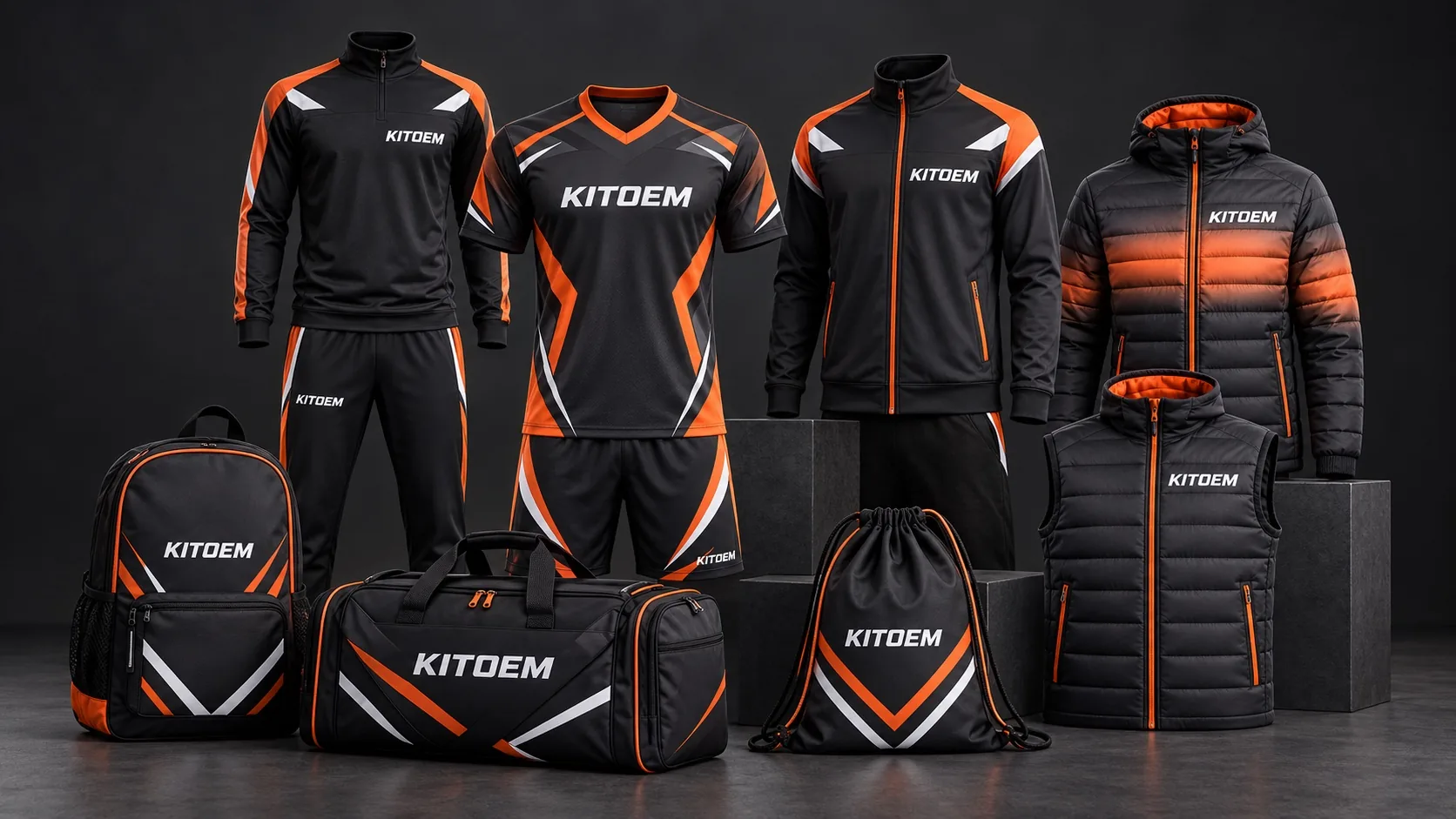
Coordinated black and orange garment and accessory layout

The product plan

Plan together.
Specify separately.

Use this garment-and-accessory layout as a range map. Record a fabric, fit, quantity, artwork method and sample decision for every chosen item, including who supplies it.

Configure the existing football pack →

Your next range

One programme.
Your own requirements.

Bring the product mix, wearer groups and artwork direction. Review every item in one editable enquiry; opening the draft sends nothing.

Discuss the whole programme ↗
Review the 24-colour briefing reference +

Use this palette to explain a colour direction. Approve the actual project swatch, composition, g/m² and any agreed stretch, recovery or colourfastness requirements separately.

Review named fabric references ↗

Cooperation records & possibilities

A project in use.
A direction to explore.

Two independent cooperation records, followed by a clearly labelled brand-range planning example. Each real order keeps its own specification and conditions.
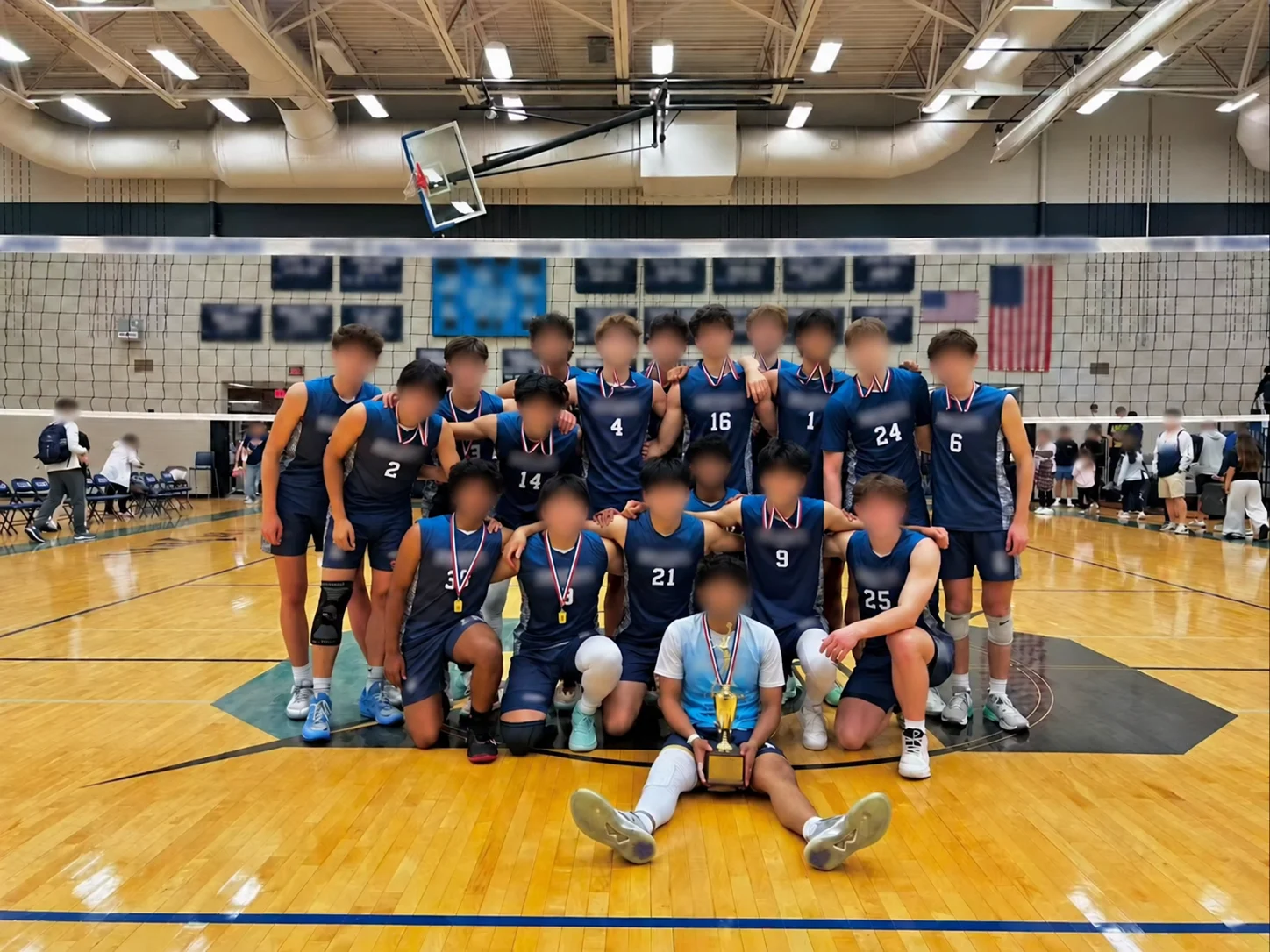
Volleyball team wearing coordinated navy sleeveless uniforms with individual numbers and a contrasting light-blue uniform; faces blurred in the supplied photograph.
Cooperation record · Volleyball

One squad.
A coordinated kit.

Navy team uniforms and a contrasting light-blue player uniform, with individual numbers. The completed teamwear is shown in the authorised team photograph.

Order quantity
60 sets
Fabric specification
160 g/m²
Artwork process
Full sublimation
Expedited production
7 business days

100% Polyester Micro-Mesh. Recorded for this order only—not standard MOQ, future production time or transport.

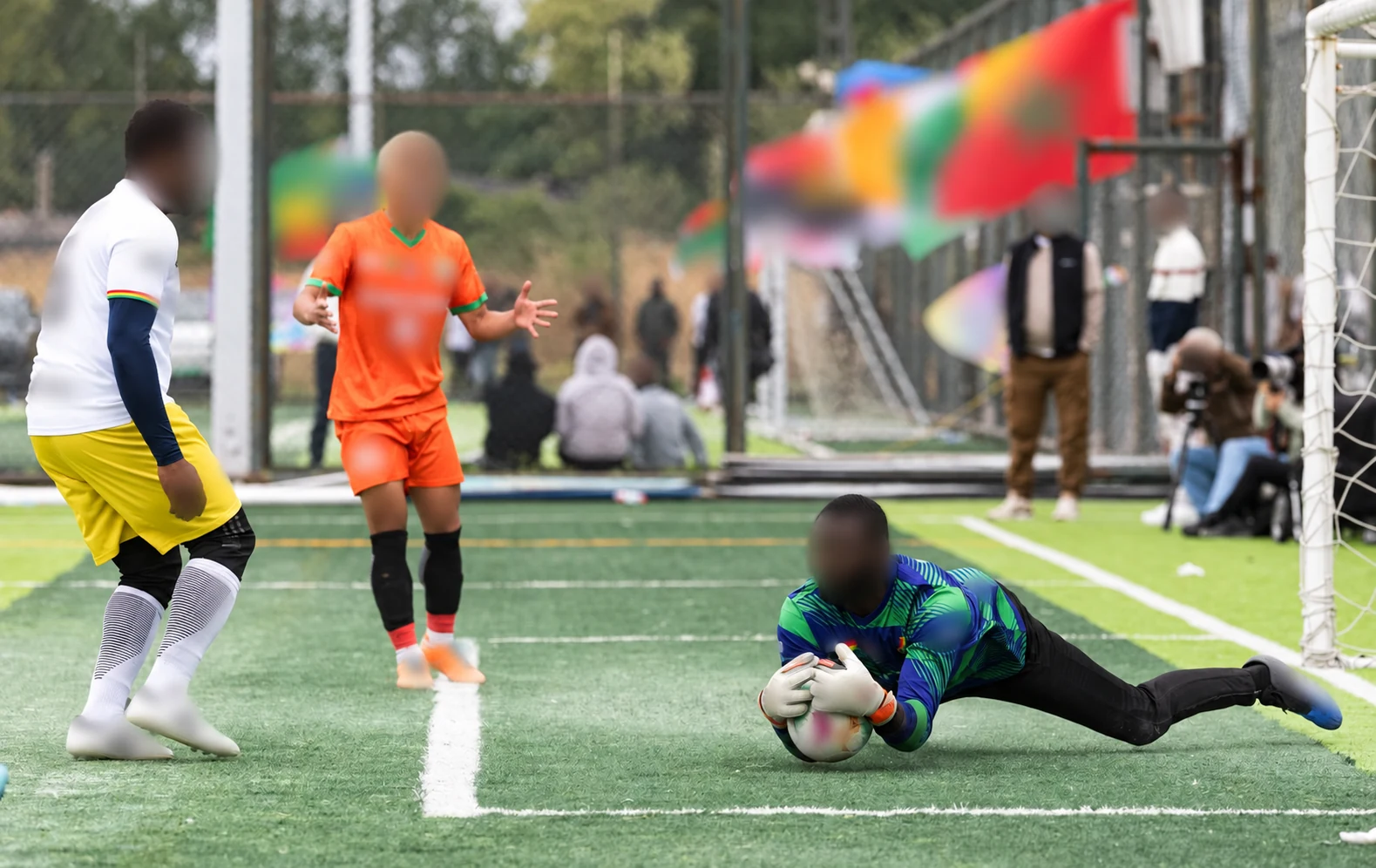
Privacy-edited football project image showing a blue-and-green goalkeeper top and contrasting outfield kits.
Cooperation record · Football / Soccer

Distinct kits.
Seen in play.

KITOEM supplied the outfield shirts and shorts and a distinct goalkeeper top shown in this confidential project gallery.

Garment scope
Outfield shirts & shorts; goalkeeper top
Visible design detail
Contrasting colour layouts and player identification

Privacy-edited customer match images. The gallery records the supplied garments, not a single-club identity or a technical test result.

Project scenario · Planning example

A brand & channel range

An illustrative starting point for a new private-label collection or dealer range—not a completed customer order.

Define the range
Independent garment specifications and quantities
Confirm together
Samples, label files and packing requirements
Keep for the next order
Approved references and a record of changes

Read the project, not just the numbers

What the volleyball order
makes concrete.

The recorded 60-set cooperation brings material, artwork, player identification and an expedited production window into one order. Its value here is a specific reference to discuss—not a standard package for the next buyer.

Recorded detailWhat it makes specificBring to your new brief
100% Polyester Micro-Mesh · 160 g/m²The material is identified by composition and weight rather than only a fabric name.The selected swatch, garment fit and properties you want reviewed.
Full sublimation & individual numbersThe confirmed process is connected to a visible personalised kit.Final artwork, physical positions and the controlled player roster.
Navy main kit & contrasting light-blue player uniformOne team appearance includes distinct player colours.Garment/role groups, colour references and separate size/quantity lines.
60 sets · recorded 7-business-day expedited productionQuantity and production period describe this completed order.Your actual quantity, approvals, destination and required arrival; a separately agreed new schedule.

Read the complete cooperation record ↗

Questions before the first brief

A clearer start.

Can I start without a technical pack?+

Yes. Start with the intended use, wearer, product idea and references. The ODM route helps define the concept, fit, fabric and construction. We review the development scope and sample requirements before agreeing the next step.

Can we review a sample before bulk production?+

Yes. Agree what the sample must review: appearance, measurements, material, decoration or construction. Sample scope, rounds, charges and timing are confirmed for the project; production follows written approval of the relevant version.

Can one enquiry include several sports or product types?+

Yes. Coordinate the range in one brief while keeping each product’s specification, quantity, quotation and supply responsibility separate. Shirts, shorts, layers and bags are not treated as one universal specification.
How are sample changes recorded?+

Consolidate comments against a named sample and file revision. Identify the measurement, artwork, material or construction change, then agree whether the revised reference needs another sample or approval before release.

Can I add private labels and packaging to either route?+

Yes. Subject to the product and order, brand labels, care labels and packaging can be discussed with OEM, ODM or base-style customisation. Review content, destination requirements, placement and packing configuration with the garment.

How are quantities and production timing confirmed?+

Share the estimated quantity for every product and your required arrival date. Sampling, production start conditions, available scheduling, dispatch and transport are reviewed separately in the quotation and order agreement.

What should we retain for a reorder?+

Keep the approved specification, measurements, colour reference, artwork and roster versions, accepted sample reference and label/packing instructions. Review material availability and any changes before agreeing the new order.

Does OEM skip sampling, or does ODM include free design or exclusive rights?+

Neither should be assumed. Both routes pass through feasibility review, the agreed sample scope and written specification approval. Development charges, artwork ownership, permitted use and any exclusivity are agreed in the project terms.

Your next product starts here

Bring what you have.
Build the next step.

No route selected. We can help you choose.

Help me choose a route ↗sales@kitoem.com

Open an editable, unsent brief. Your existing selected products, quantities and notes stay intact.