
The decision in one paragraph
A basketball uniform can share one visual identity without forcing equal quantities or one combined specification. Record each jersey and short as a separate line. For reversible tops, define both sides and label route; for shorts, define waist, rise, length, leg opening and drawcord before approving the sample.
Keep every product independent
A reversible practice jersey, match jersey and match short answer different uses. Give each a reference, quantity, size split and approval record.
A team can discuss a jersey without shorts, or order different quantities, when the quotation and minimums support that route.
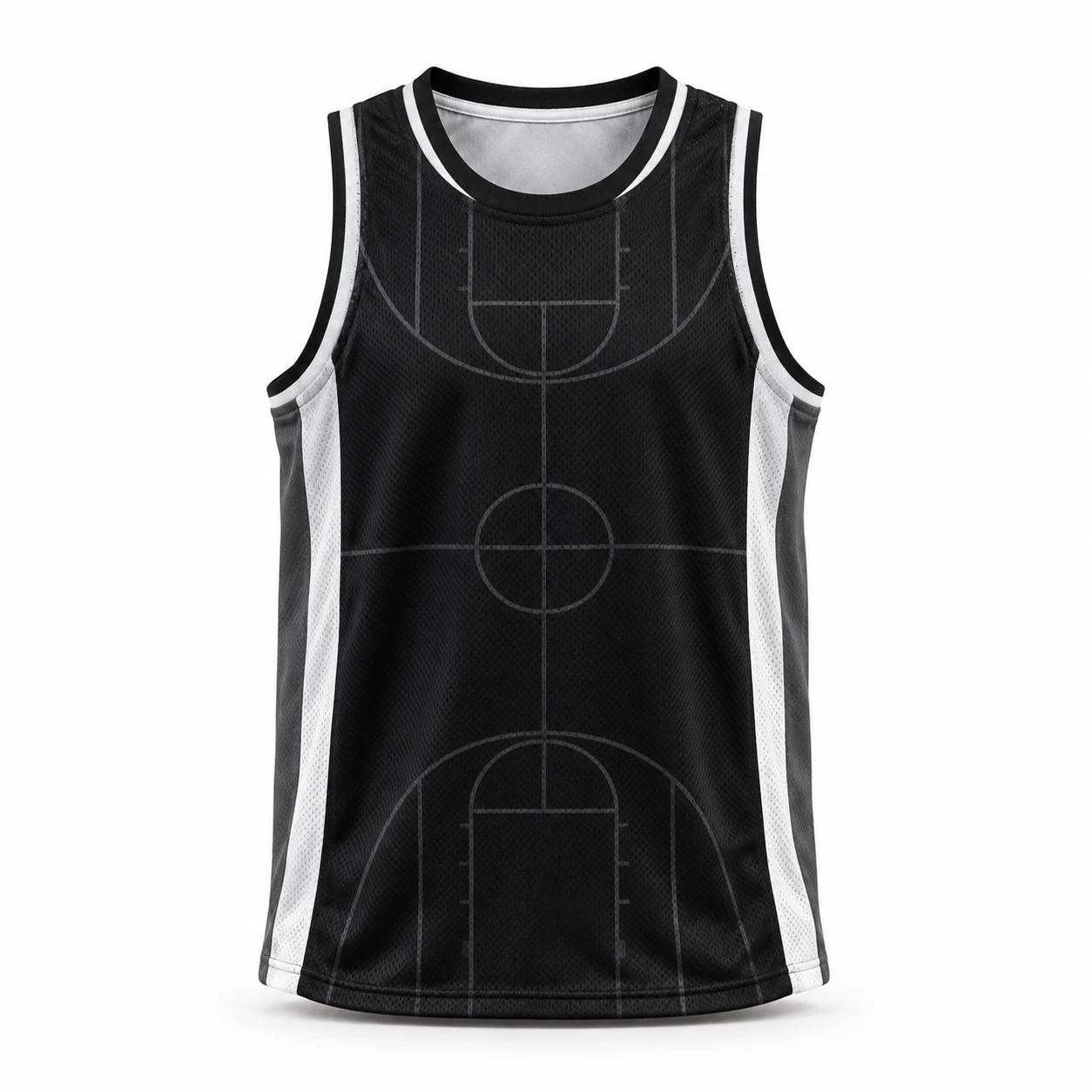
Define both sides of a reversible jersey
Record colour, artwork, player number and sponsor treatment for each side. Add how the two layers or faces are assembled and where labels are placed.
The sample should allow inspection of both sides, seam behaviour, opacity and twisting in the intended wearing condition.
Build the shorts measurement and construction block
| Field | Record |
|---|---|
| Waist | Finished relaxed and extended measurement method |
| Rise and length | Measurement points and base size |
| Leg opening | Finished width and shape |
| Waistband | Elastic construction and drawcord |
| Panels and artwork | Seams, side panels and placement |
Review more than inseam when length changes
A longer short can affect rise, leg opening, artwork placement and overall proportion. Issue the revised measurement set instead of changing one number in isolation.
Approve the change on the selected size and record how it grades across the range.
Preserve replacement-piece logic
The enquiry and purchase record should retain separate jersey and short quantities so replacements do not reopen an assumed set.
Confirm current minimums and repeat-order conditions for each item in writing.
Turn player fit comments into a component record
Begin with the distinction between body measurements, finished garment measurements and the intended ease. ISO 8559-1 concerns body measurement definitions; it is not a ready-made factory size chart. For the actual jersey and shorts, supply a diagram of measurement points, the base size and the supplier-proposed grading that the buyer will review.
Use the intended wearer and a consistent sample condition when recording chest coverage, armhole position, jersey length and waistband feel. A player can need a different short size from the jersey size. Record the two choices independently instead of correcting a short-length complaint by increasing the entire uniform size.
Compare reversible practice use with a single-sided match garment
Reversible construction is a design choice, not an automatic upgrade. Review the two faces, neckline and armhole finishing, labels and the artwork that must be readable on each side. A single-sided match jersey may use a different identity treatment or construction. The RFQ should say whether the buyer is replacing match uniforms, adding practice tops, or doing both.
For longer shorts, specify the intended silhouette along with rise, outseam or inseam reference, leg opening and artwork position. A length-only change can leave a number too low or alter the visual balance of a side panel. Ask the supplier to show the revised pattern proportions and identify which sizes need sample confirmation.
| Decision | Brief input | Approval check |
|---|---|---|
| Reversible top | Artwork, colour and labels for both sides | Inspect and wear both sides; note seam and layer behaviour |
| Single-sided match jersey | Main number, crest and sponsor hierarchy | Review contrast and placement on the actual garment |
| Longer shorts | Waist, rise, length and leg-opening proposal | Try the silhouette and review artwork after the change |
| Waistband | Elastic, drawcord, opening and finishing | Check relaxed fit, adjustment and access on the sample |
Release a roster that still permits individual replacements
Illustrative planning scenario: the team already owns suitable shorts and wants practice tops only. The request should identify that limited scope and the desired visual match. It should not imply that existing shorts prove the new fabric shade, nor that the supplier must sell a complete set. The written quotation determines whether the requested item and quantity are available.
Before release, reconcile jersey and short quantities by size, fixed artwork and player data. Give the accepted sample a revision identifier and list any approved correction that was not physically resampled. Common mistakes are approving only one reversible face, calling every size “athletic fit” without measurements, and assuming a future single-player replacement has the same minimum or shade availability.
- Independent jersey and short size columns
- Both reversible faces in the artwork record
- Measurement points, base size and grading proposal
- Buyer-approved competition requirements where applicable
- Sample comments linked to a revision
- Reorder conditions recorded per component
What to confirm for your project
- Jersey and shorts as separate lines
- Reversible-side artwork and label route
- Short waist, rise, length and leg opening
- Size and grade evidence
- Sample purpose and approval
- Item-specific minimum and replacement route
MOQ, sampling conditions, production timing, exact material options and service scope are confirmed for the specific product and order. This guide does not replace a current quotation, approved sample or production specification.
Questions to carry into supplier review
- Can practice jerseys use different quantities from match shorts?
- How is the reverse-side number approved?
- Does a longer short need a new graded sample?
Questions buyers ask next
Can a team brief a reversible practice top without ordering shorts?
Yes, the website keeps the reversible top and shorts as separate product records. State the top-only scope and current short reference. Supply, quantity conditions and any colour-matching work still need a product-specific quotation.
How should we request longer shorts without changing the waist?
Keep the waist requirement explicit and submit the revised rise, length and leg-opening proposal together. Review the garment proportions and artwork on a sample rather than assuming a different inseam alone preserves the original fit.
Which reversible-jersey face needs artwork approval?
Both. Record the number, crest, sponsor treatment and label route for each face. Approving only the outer face leaves the other playing direction unresolved.
Does one jersey size automatically select the correct short size?
No. Upper- and lower-body measurements and wearer preferences can differ. Preserve independent size selections in the roster and obtain the measurement references for both garments.
What should the basketball waistband technical pack show?
Specify the measurement method, relaxed and adjusted fit, elastic construction, drawcord route, finish and intended opening. Let the supplier propose unresolved construction details, then approve them on the actual short sample.
Technical references and question evidence
- Technical referenceISO 8559-1:2017 — Body measurement definitions; confirmed 2026
- Technical referenceAdobe — Produce print-ready PDF files in InDesign
- Technical referenceCoats — Sweatshirt construction applications
Technical references support the discussion method. Question evidence documents public discussion of an issue; it does not diagnose a KITOEM product or establish a test result.