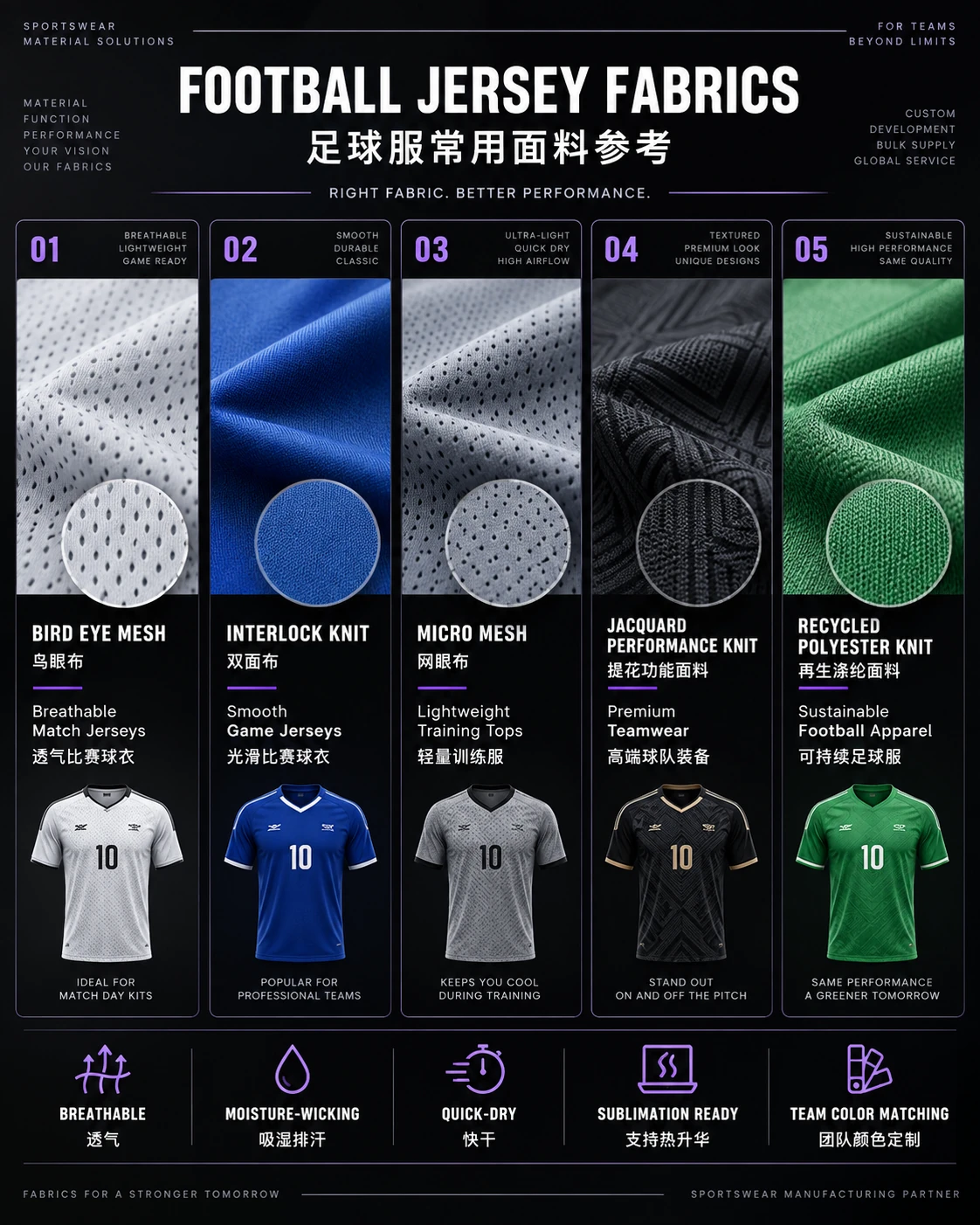
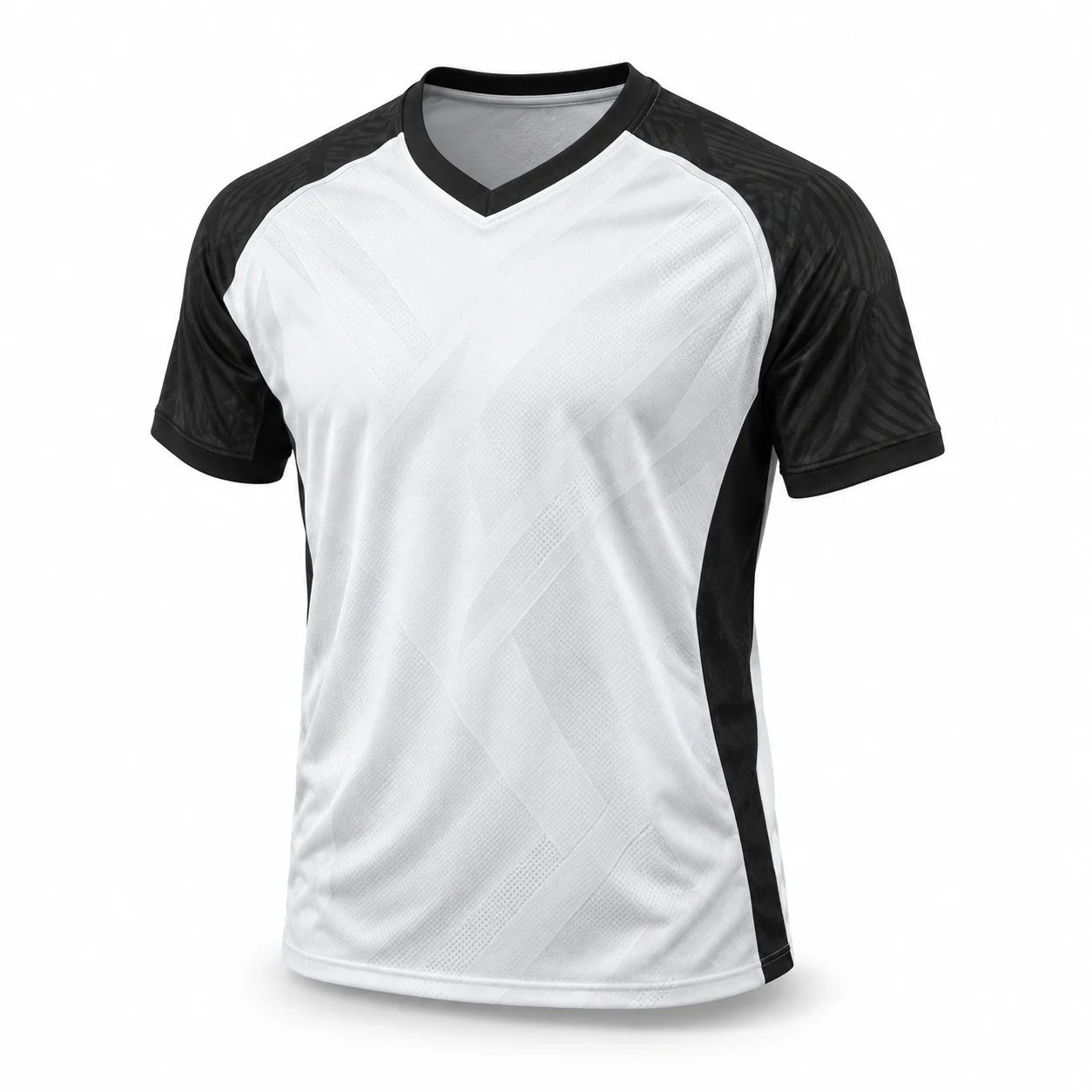
 KR-MT-001
Football match shirt
A football upper-body garment with its own identity and fit review.
View product details ↗ KITOEM
 · Schools & universities
Organise by sport and wearer group, assess the selected sizes and give procurement a clear record of what is being approved.
Explore product combinations ↓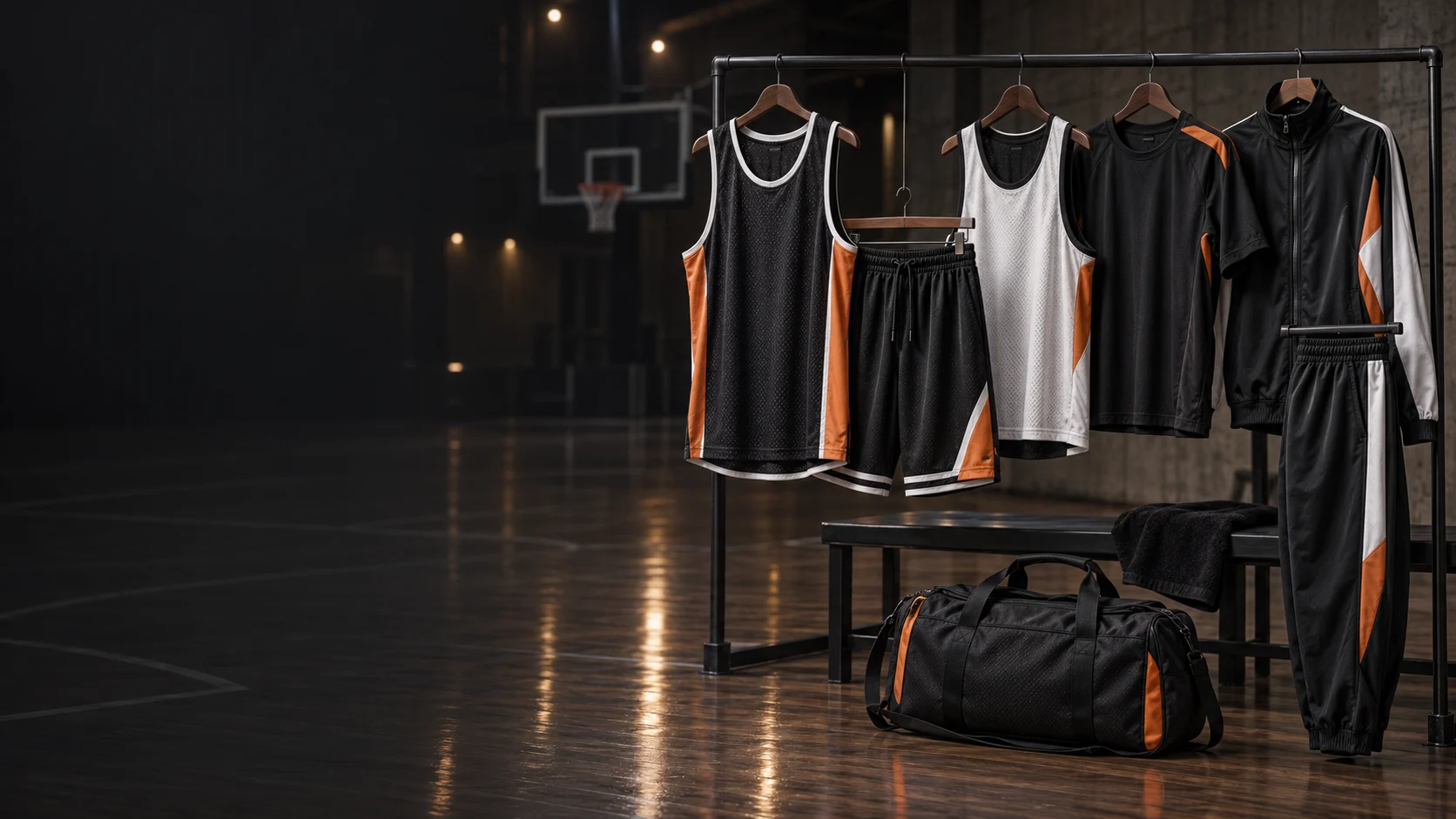
School purchasing often involves coaches, wearers, a budget holder and an artwork approver. Bring their decisions together without forcing different sports or garments into one size chart.
Your project in practice
A school purchasing teamwear across sports, students and staff, with coaches, identity owners and procurement reviewing different parts of the order. Keep their approvals connected and distinguish optional items.
What to bringList each sport, team, staff group, product role and estimated quantity. Identify the budget holder.
What to confirmKeep department and product references on each line so combined purchasing does not merge different garments or size systems.
What to bringConfirm product measurements, intended fit, required size range and whether a try-on sample is needed.
What to confirmUse a controlled size sheet for each product. Usual retail sizes, age groups and a different sport’s chart are not substitutes.
What to bringName the owners of institution artwork, sample review, budget approval and the purchase order.
What to confirmRecord what each person approved and which file version it covers; a logo approval is not a fit or budget approval.
What to bringDescribe sport, team, department or wearer packing groups and any required quotation or invoice fields.
What to confirmAgree sorting instructions and paperwork for the actual order. No direct-to-student fulfilment or institutional approval is assumed.
Build the product scope
Explore the groups and select only the products you want. Product selection is optional and quantities can stay open in your enquiry. Nothing is sent here.
Keep the shirt, shorts and socks separate. Record the sport, team and wearer group so each quote line has a clear purpose.
KR-MT-001A football upper-body garment with its own identity and fit review.
View product details ↗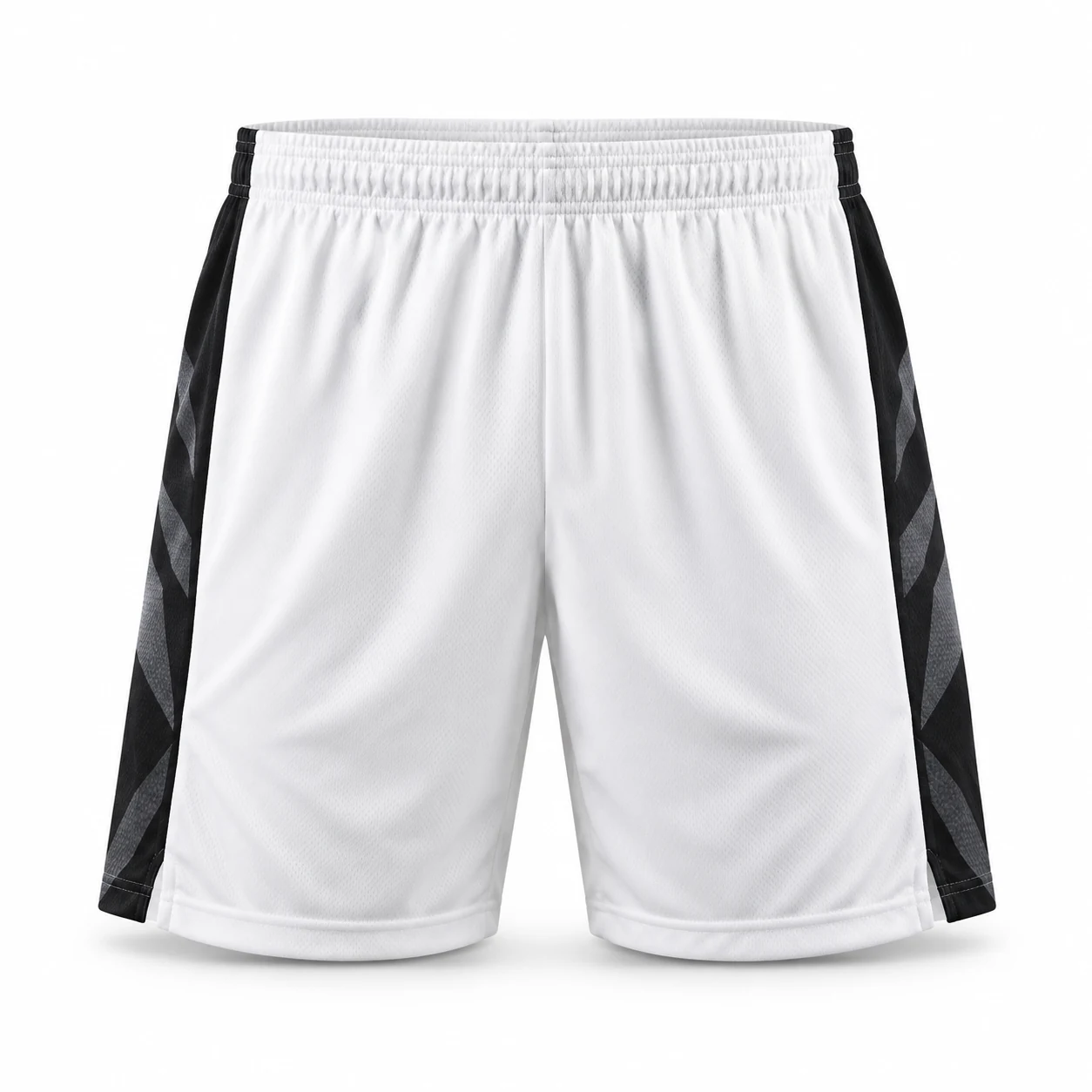 KR-MT-003
Separate shorts measurements and product counts.
View product details ↗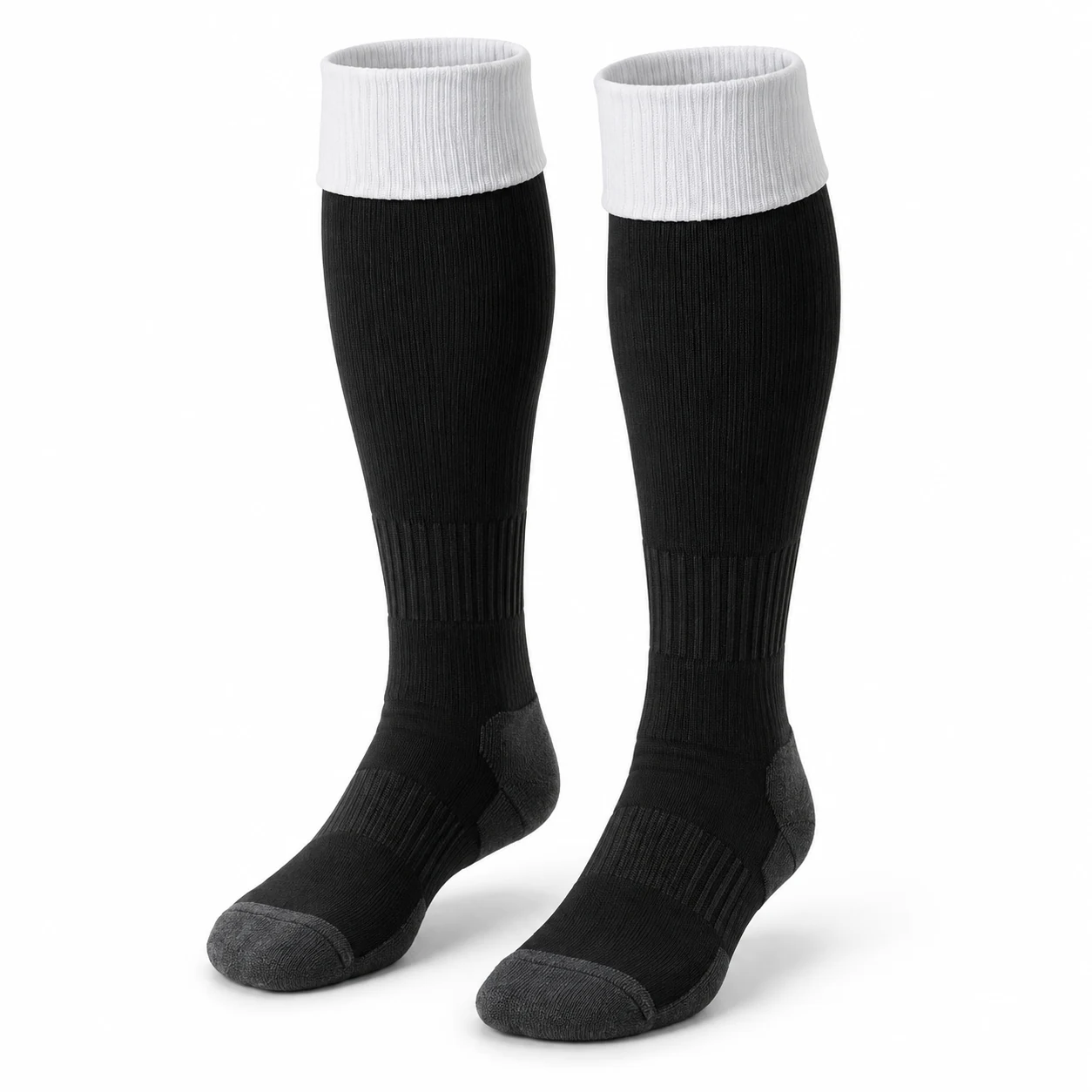 KR-AC-001
A pair-based accessory line rather than an implied part of every set.
View product details ↗Keep the shirt, shorts and socks separate. Record the sport, team and wearer group so each quote line has a clear purpose.
Treat the sleeveless jersey and shorts as their own system. Decide whether the team also needs a warm-up layer.
Separate staff identity from student teamwear. Use wearer counts rather than assuming every staff member needs the complete range.
Choose with the trade-off in view
Use when a single team has an immediate requirement.
A simpler approval group, but later departments need their own purchase review.
Use when several departments can agree one review timetable.
Different shapes, size references and approvers must remain separate in the combined brief.
Use when fit is difficult to judge from current measurements alone.
Allow a sample discussion and review stage; sample terms remain product-specific.
Buyer input / agreed output
Use this planning sequence when agreeing your order. It is not a completed inspection record.
Materials & relevant project context
Explore the available authentic fabric details and compare a physical reference against the product you want to make. Garment construction, artwork and fit belong in the same review.
Explore material references →Review before approval
Choose the review scope for this project. Material, fit, artwork and packing approvals cover different decisions; a sample is not an automatic approval of the full order.
selected sizes and a representative wearer group.
authorised institutional marks and placements.
quotation, sample decisions, quantities and issue plan.
Confirm the reference, purpose, any fee, timing, shipping and who signs off. Record approved changes in the product specification before production release.
Review sample & order support ↗Start with what you know
Product choices and exact quantities are optional. Give us the requirements you already know; mark open decisions for discussion. You can attach your saved products or send requirements only in the shared project form.
Discuss this buyer brief ↗Review your saved products ↗General guidance confirmed 30 September 2026. Your quotation defines the applicable product, quantity unit and start point.
Sampling takes 15–20 days, with the sample type and starting point confirmed for the actual project. Production or dispatch timing does not include international freight, customs or final delivery unless the quotation states otherwise.
Review samples, approval and delivery planning →Buyer questions
Yes. Separate the sports, teams, products and quantities in the same brief. Football shirts and basketball jerseys keep their own garment records and size references even when the institution shares one identity.
Use the selected product’s measurement reference and intended fit. A familiar letter size from another brand or garment is not a reliable substitute. Discuss a fit sample where the institution needs a try-on review.
Bring together the quotation version, chosen product references, artwork proof, size and quantity breakdown, sample decisions and packing instructions. Name who approves budget, identity and fit, so one approval is not mistaken for all three.
Assign a collector for each group and one owner of the consolidated file. Include the product reference in each row, set a review deadline and retain the approved version before releasing later changes.
Include the requested sport, team, wearer or carton labels in the brief. The actual sorting and packing method needs to be included in the quotation or agreed specification; individual delivery is not assumed.
Your project, your decisions
Start with this buying route and your selected products above. Share the quantities, destination and desired arrival date you know; leave the rest for discussion.
Prepare your enquiry ↑Compare other buyer routes →