Your next moveNO FINISHED BRIEF?
START ANYWAY.
You can enquire without selecting a product or knowing every quantity. Attach your saved list, or send requirements only. Your saved products stay available for later.
Discuss your project ↗Review your saved products ↗ - The people
- Wearer roles, sport, age groups and who approves.
- The range
- Products, sizes and known quantities; leave open items to confirm.
- The identity
- Artwork, player details, labels and packing requirements.
- The sample
- What must be checked: material, fit, construction or decoration.
- The destination
- Country and required arrival date, with transport planned separately.
Before you choose
THE QUESTIONS
THAT MOVE IT FORWARD.
Keep the first enquiry useful. The final quotation and approved product record define the order.
Can one enquiry include several sports and product types?+
Yes. Bring them into the same project brief. Keep each product line, garment variant, unit and quantity separate; a shared colour direction does not make the specifications interchangeable.
Do I need to select products or enter exact quantities first?+
No. You can send a requirements-only enquiry, or attach selected references with quantities to be confirmed. Saved products remain available when you choose not to attach them.
Are the suggested combinations compulsory packs?+
No. Treat them as planning starting points. Select, remove or add the products you need, and review their separate quantities and specifications before sending.
Which products are made in KITOEM’s own facility?+
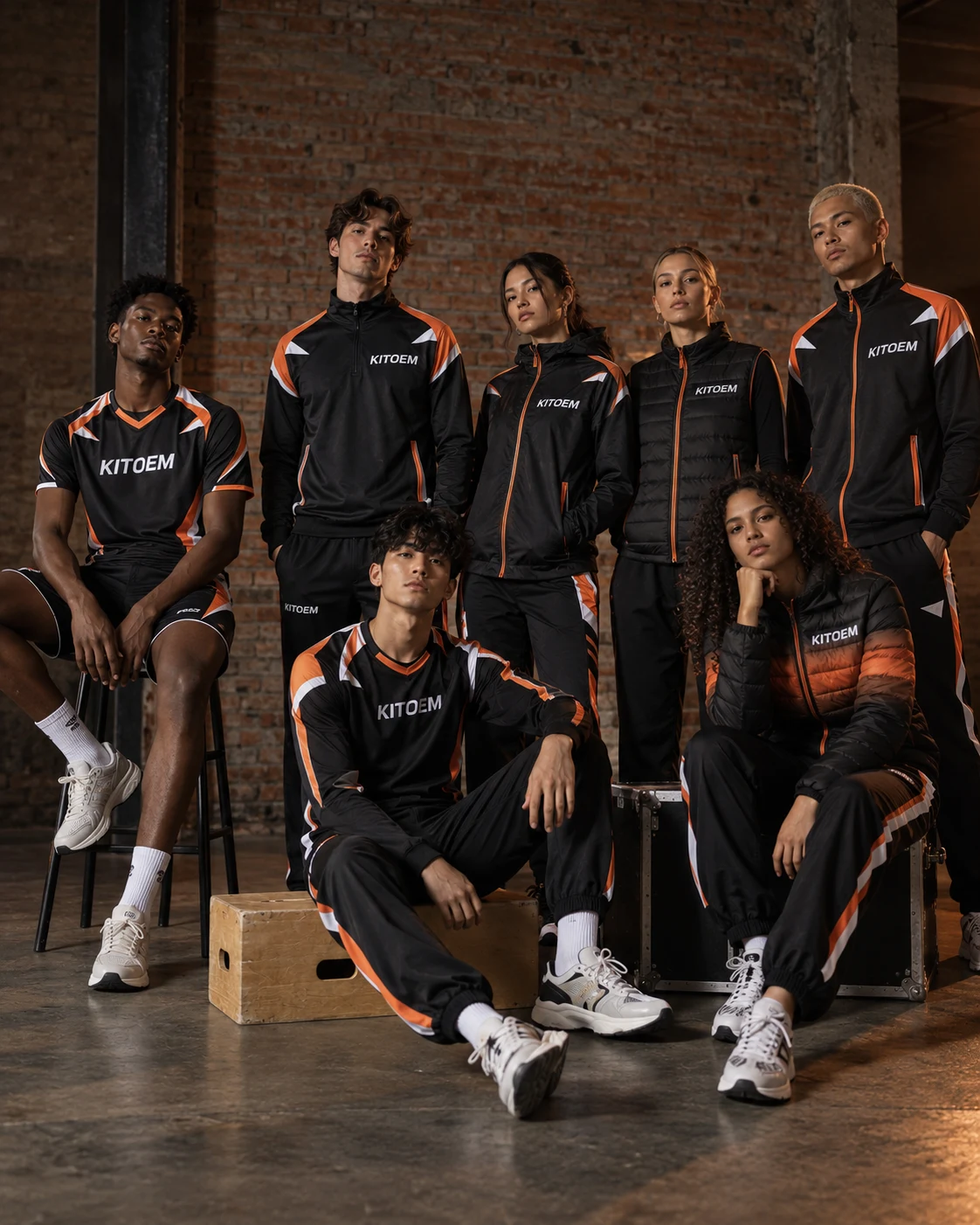
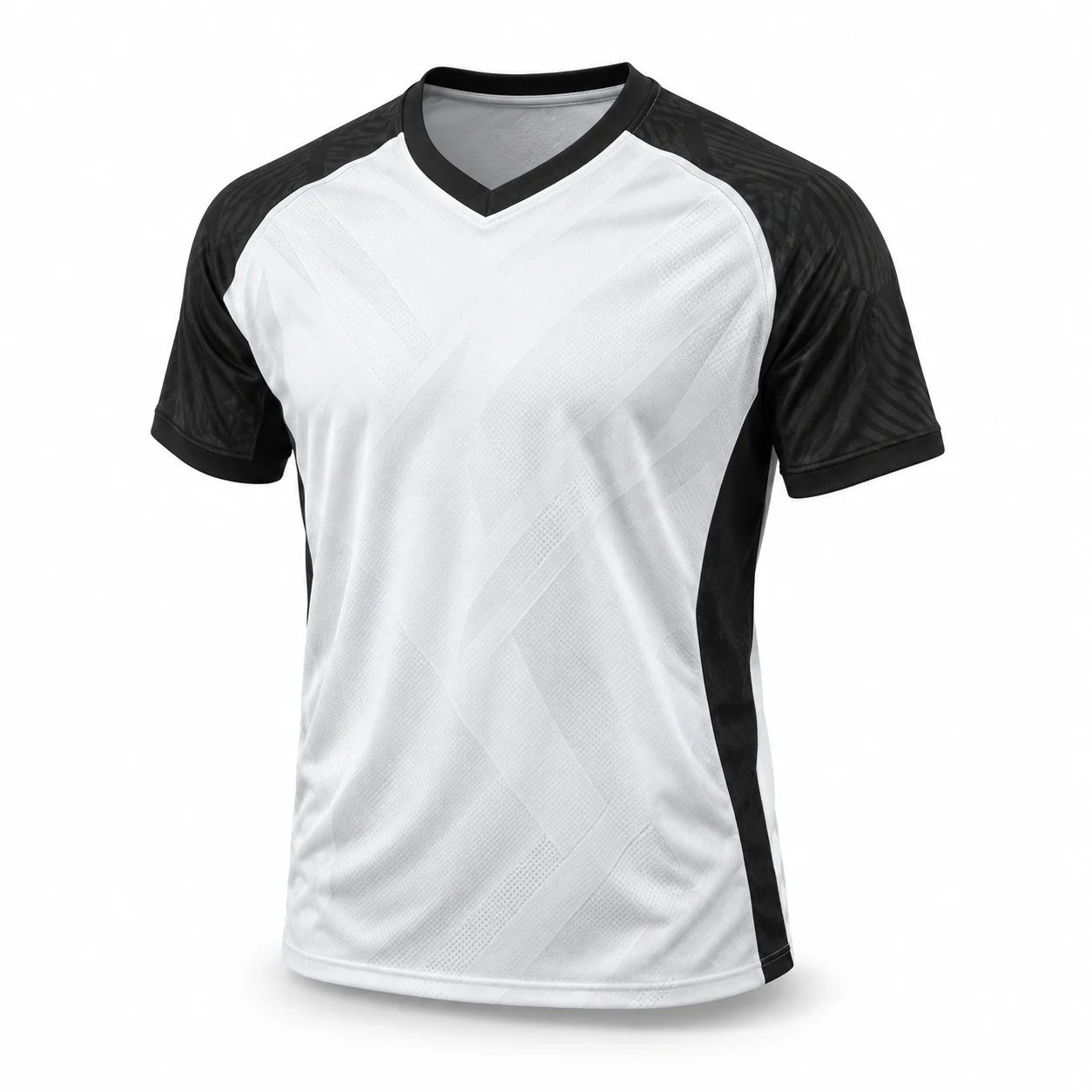
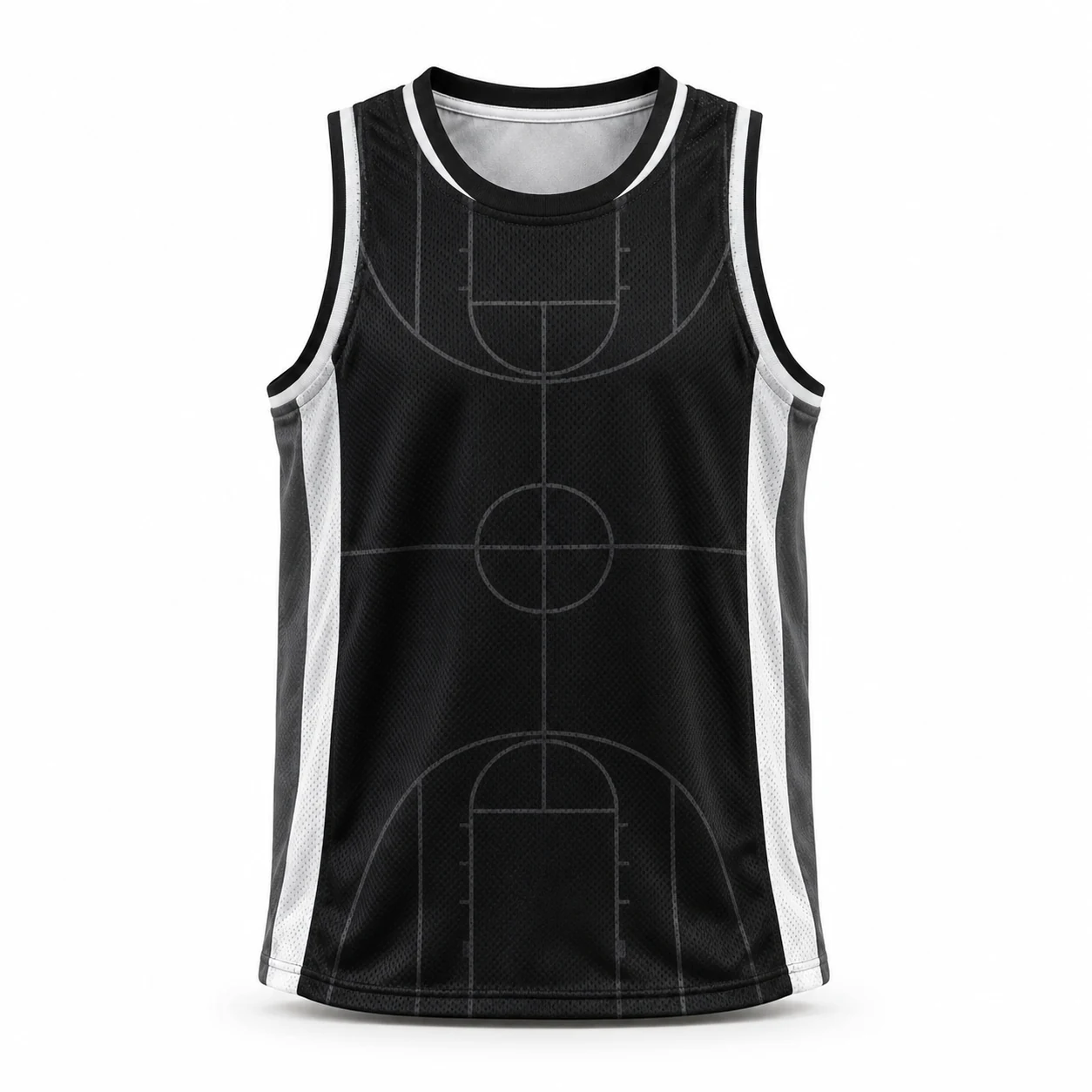
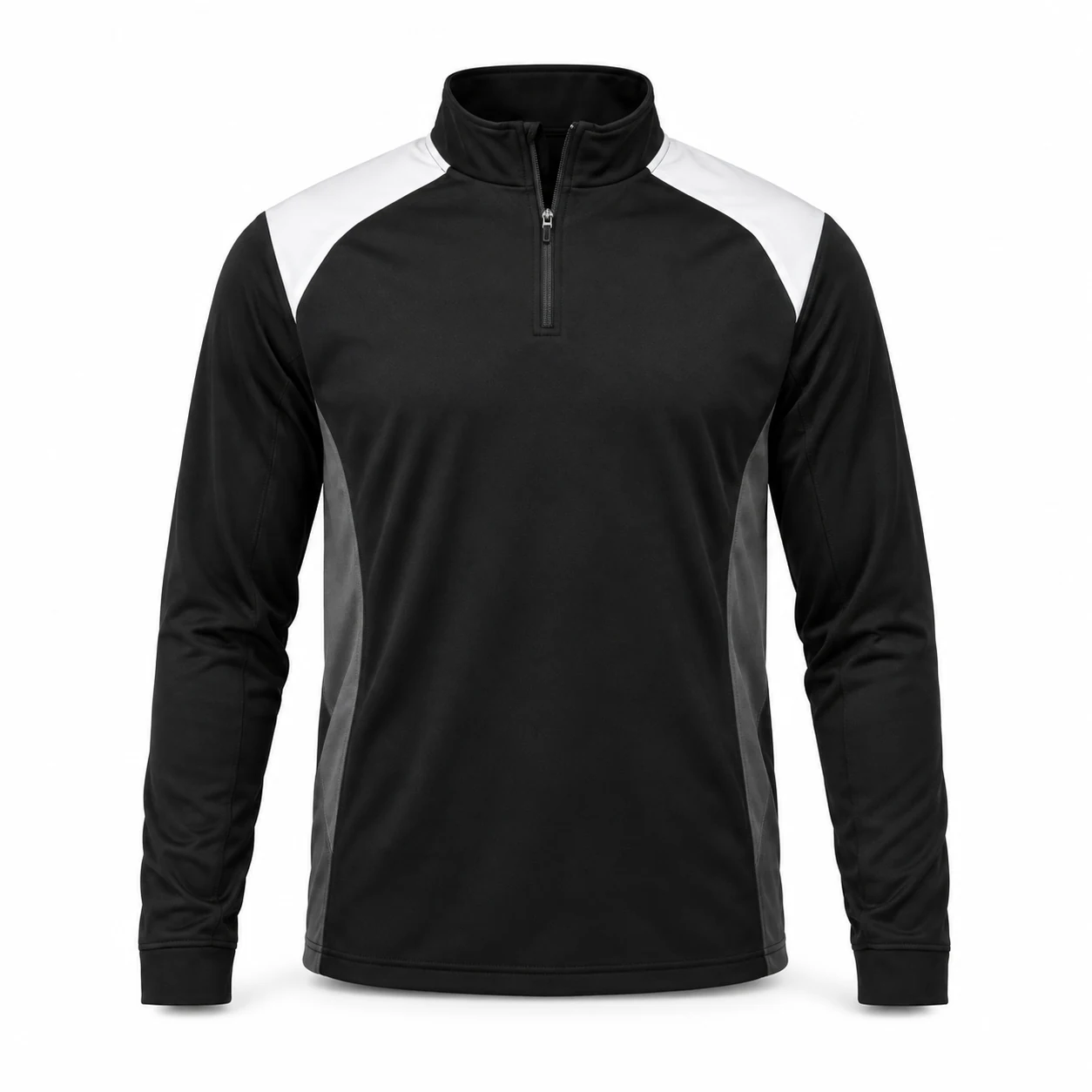
The confirmed own-production focus is football kits, basketball uniforms, training apparel and outerwear in Xiamen, China. Supporting products and specialist requirements are reviewed separately for the project.
MOQ, production & dispatch guidance
General guidance confirmed 30 September 2026. Your quotation defines the applicable product, quantity unit and start point.
- MOQ · 60–100 sets
- Typical factory minimum for standard project orders. Fully custom projects normally start at 300–500 pieces. The applicable unit and quantity split are confirmed in the quotation.
- IN STOCK · 7–10 days
- Confirmed in-stock products have a dispatch lead time of 7–10 days. Confirm stock availability and the date this period starts in the written quotation. This is dispatch from the supplier, not arrival at your destination.
- STOCK CUSTOM · Within 15 days
- Customisation of an available stock style is normally completed within fifteen days, subject to the confirmed artwork and order details.
- FULL CUSTOM · About 25 days
- Fully custom production is approximately twenty-five days. The written quotation confirms the starting point and project-specific timing.
Sampling takes 15–20 days, with the sample type and starting point confirmed for the actual project. Production or dispatch timing does not include international freight, customs or final delivery unless the quotation states otherwise.
Review samples, approval and delivery planning →