
KITOEM · Tournaments & leagues
A fixed event date. A plan with separate decisions.
Define participant, official and staff groups. Work backwards from your desired arrival date, keeping approvals, production and transport distinct.
Explore product combinations ↓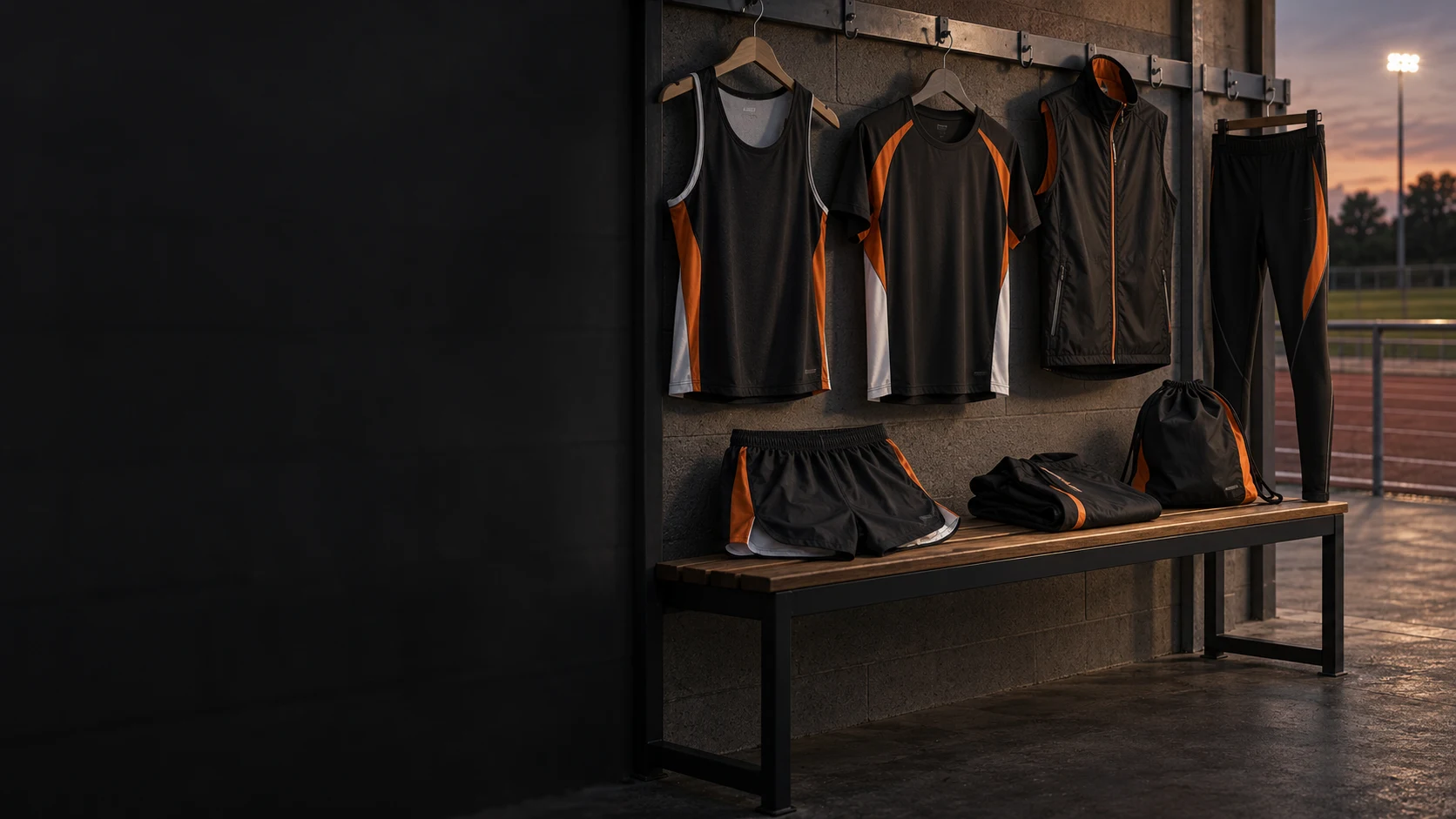
An event deadline does not explain how many garments each role needs or how they should be issued. Prepare the product counts, identity versions and distribution groups before treating the requested date as feasible.
Your project in practice
Role-based issue planned backwards from the arrival date.
An event buying for participants, officials, volunteers and organisers. Count recipients by role, control artwork versions and separate registration deadlines from the date goods must arrive.
DecisionWhat to bringWhat to confirm
Recipient & product matrix
What to bringList participants, officials, volunteers and organisers with product roles, known counts and optional issue items.
What to confirmKeep every role/product combination identifiable. A general polo or jacket is not automatically an approved official uniform.
Timing & approval gates
What to bringState event date, requested receipt date, destination and any earlier artwork-registration deadline.
What to confirmReview proofing, samples, count approval, production, inspection, freight and customs separately before accepting a schedule.
Role colours & artwork versions
What to bringProvide identity files, role distinctions, sponsor placement and the person approving final artwork.
What to confirmApprove each version and any organiser rule requirements. No affiliation, licensing or event-rule compliance is inferred.
Sorting & venue issue
What to bringDescribe team or role bundles, carton labels, delivery points and how items will be issued.
What to confirmAgree packing and delivery responsibilities in writing. Website selection does not reserve stock, book freight or secure an arrival date.
Optional tournament programme
Match. Training. Travel.
Not the same kit for everyone.
Coordinate football teams, coaches and event staff by role. A complete range is an option, not a requirement for every tournament.
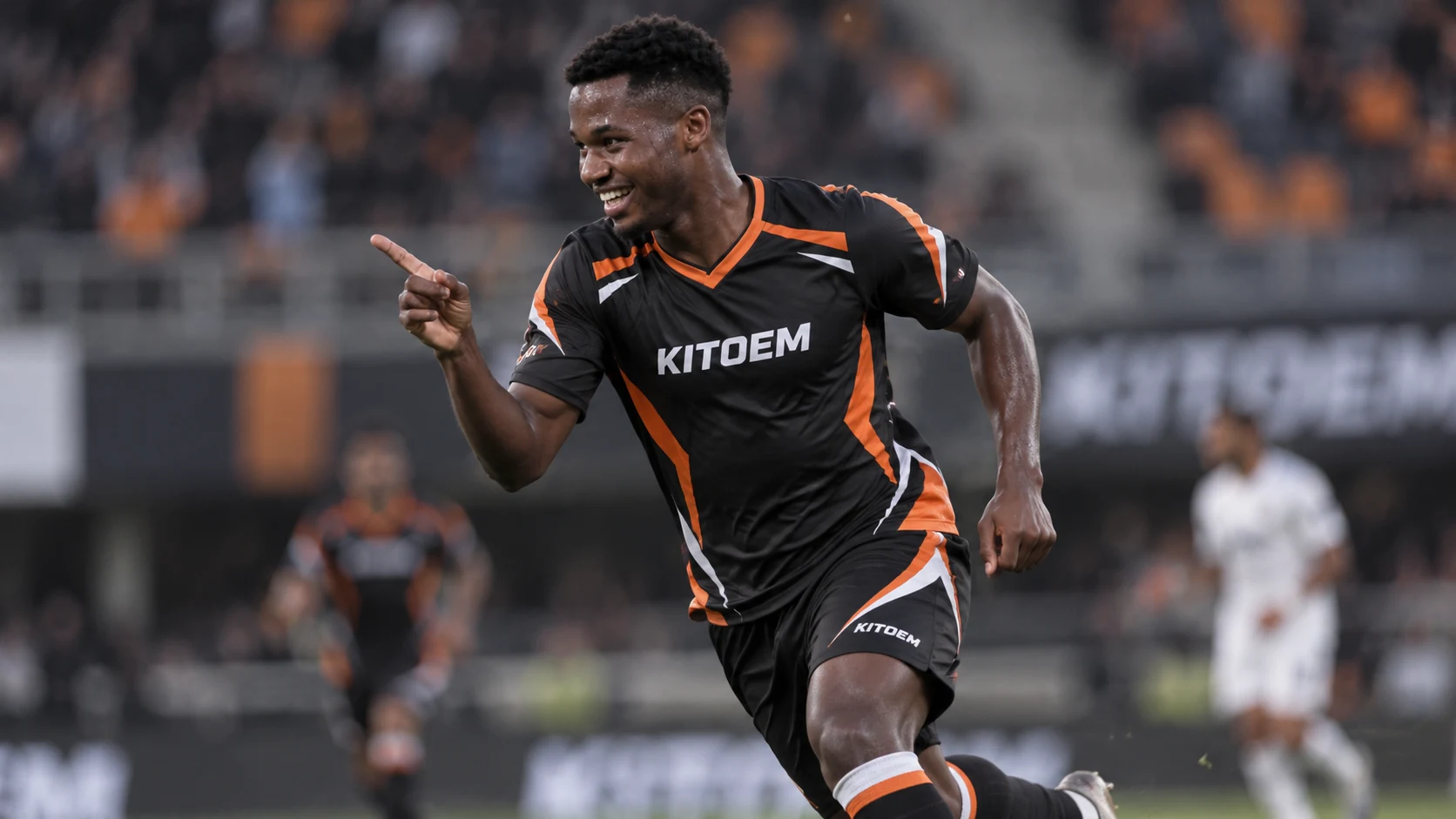
Participating teams
Start with match shirts, shorts and socks. Add a warm-up layer only where the squad needs it; size and count every garment separately.
One identity record
Agree the event mark, team marks, colour references and product-specific positions. Clear any required permissions before artwork approval.
Independent quantities
Keep team, player, coach, staff and spare counts separate. Review upper- and lower-body sizes and names or numbers against one controlled roster.
A delivery plan by item
State the destination and required arrival date. Agree consolidation or split delivery, then label cartons by team and role for distribution.
Read all wearer-group options
Participating teams
Start with match shirts, shorts and socks. Add a warm-up layer only where the squad needs it; size and count every garment separately.
Coaches & staff
Keep staff identification, layer fit and quantities independent of player rosters. Confirm the event’s artwork rules with the organiser.
Travel & equipment
Choose individual bags or shared team equipment bags deliberately. Approve bag colour and branding against the actual material, not a jersey photograph.
Build the product scope
Different roles. Separate item lists.
Explore the groups and select only the products you want. Product selection is optional and quantities can stay open in your enquiry. Nothing is sent here.
Participants
Choose the actual garment role for your sport or event. Keep participant apparel and optional issue bags as separate product counts.
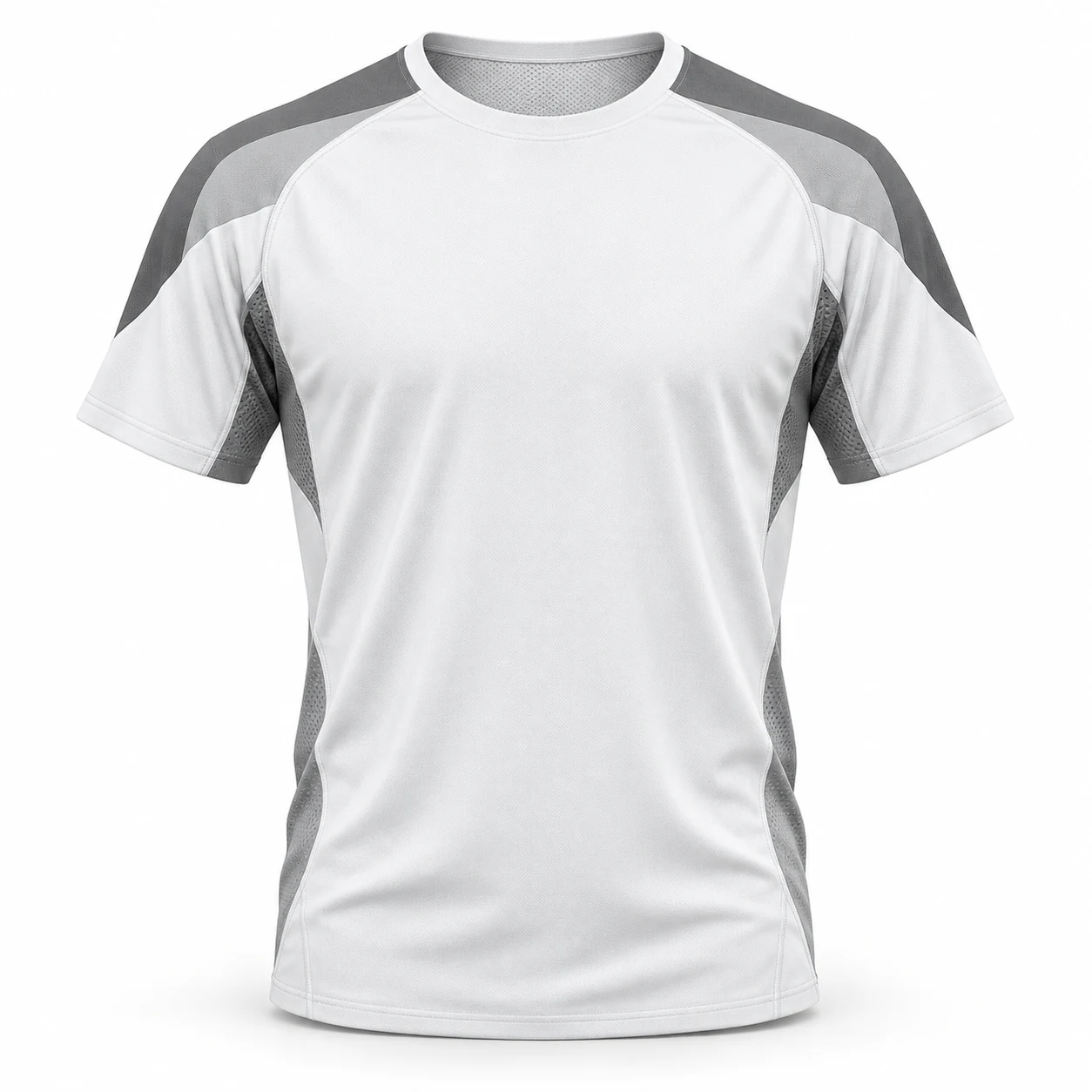 KR-TR-004
Performance training T-shirt
An event-apparel direction when a T-shirt fits the participant brief.
View product details ↗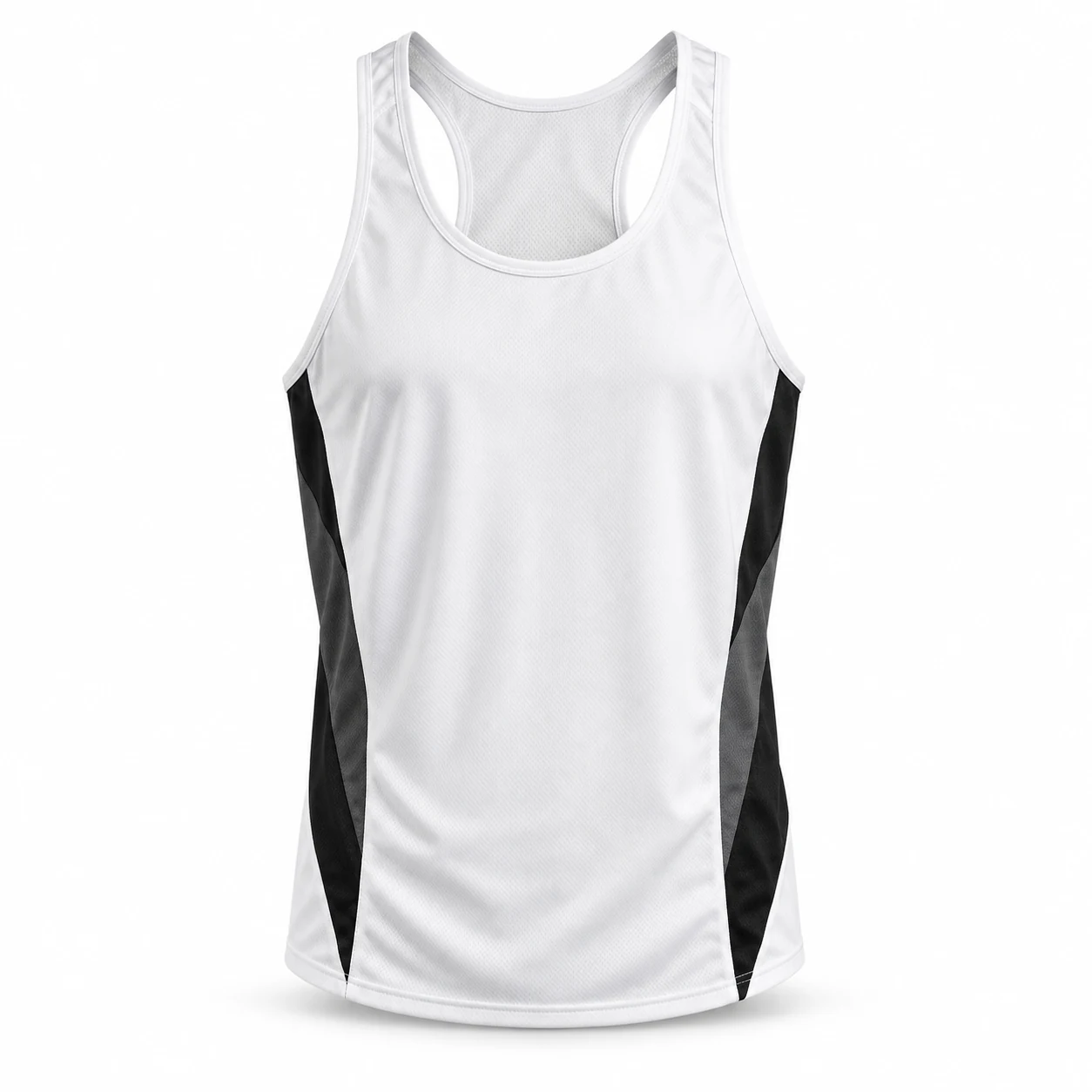 KR-RN-001
Running race singlet
A singlet direction for a running event; it is not a universal participant garment.
View product details ↗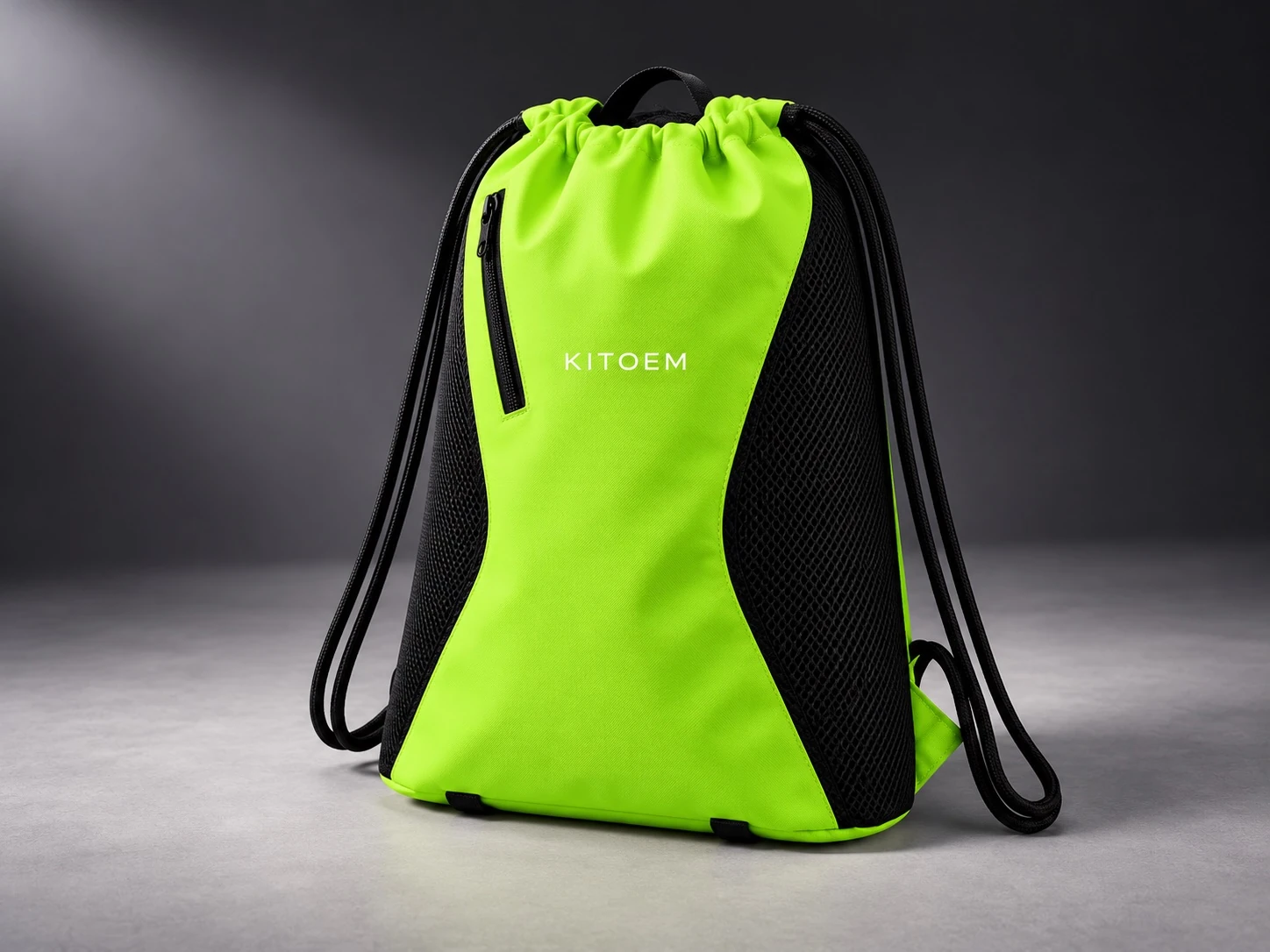 KR-BG-003
Custom drawstring training bag
An optional welcome or issue-bag direction with its own specification.
View product details ↗Read all product groups and selection reasons
Participants
Choose the actual garment role for your sport or event. Keep participant apparel and optional issue bags as separate product counts.
- Performance training T-shirt — An event-apparel direction when a T-shirt fits the participant brief.
- Running race singlet — A singlet direction for a running event; it is not a universal participant garment.
- Custom drawstring training bag — An optional welcome or issue-bag direction with its own specification.
Officials
State any referee, judge or official requirements explicitly. These are garment starting points, not approved technical official uniforms.
- Coach polo shirt — A collared-top direction to compare with the organiser’s official dress brief.
- Tapered training pants — A lower-body candidate whose fit and required appearance need review.
- Full-zip track jacket — An optional layer to consider for officials rather than a compulsory inclusion.
Staff
Plan recognisable staff identity and count the people receiving each product. Keep venue volunteers, organisers and other staff groups distinct where their issue differs.
- Performance training T-shirt — A staff-top starting point for a distinct artwork or colour direction.
- Coach polo shirt — A different top format for roles needing a more structured presentation.
- Team performance cap — An optional staff headwear direction with separate construction and quantity review.
Choose with the trade-off in view
Work backwards. Keep the gates visible.
Common event identity
Use when most recipients can share a design and garment family.
Consider before approval
Role distinctions may still need separate artwork or product lines.
Role-specific issue
Use when participants, officials and staff need different garments or identity.
Consider before approval
More versions and separate approvals need to be kept in the product matrix.
Group-first packing
Use when event teams or roles will receive goods in organised batches.
Consider before approval
Sorting instructions and labels need agreement; direct-to-person fulfilment is not assumed.
Buyer input / agreed output
Turn the brief into clear review points.
Use this planning sequence when agreeing your order. It is not a completed inspection record.
State the desired arrival
- You bring
- Destination country, required receipt date, event date and delivery-point details.
- Agree before proceeding
- A timing brief for feasibility review, not an automatic commitment to that date.
Separate the role groups
- You bring
- Participants, officials and staff, with product IDs, quantities, units and artwork versions.
- Agree before proceeding
- A role-by-product matrix that can be quoted and checked without losing optional items.
Plan approvals backwards
- You bring
- Artwork approver, size-collection owner, any sample needs and event-registration requirements.
- Agree before proceeding
- A proposed sequence for quotation, proofing, samples, final quantities and production release.
Specify sorting and issue
- You bring
- Requested team or role grouping, carton labels, recipient count and distribution method.
- Agree before proceeding
- Packing instructions for written agreement, with transport and import handling reviewed separately.
Materials & relevant project context
Look closer before
choosing the specification.
Explore the available authentic fabric details and compare a physical reference against the product you want to make. Garment construction, artwork and fit belong in the same review.
Explore material references →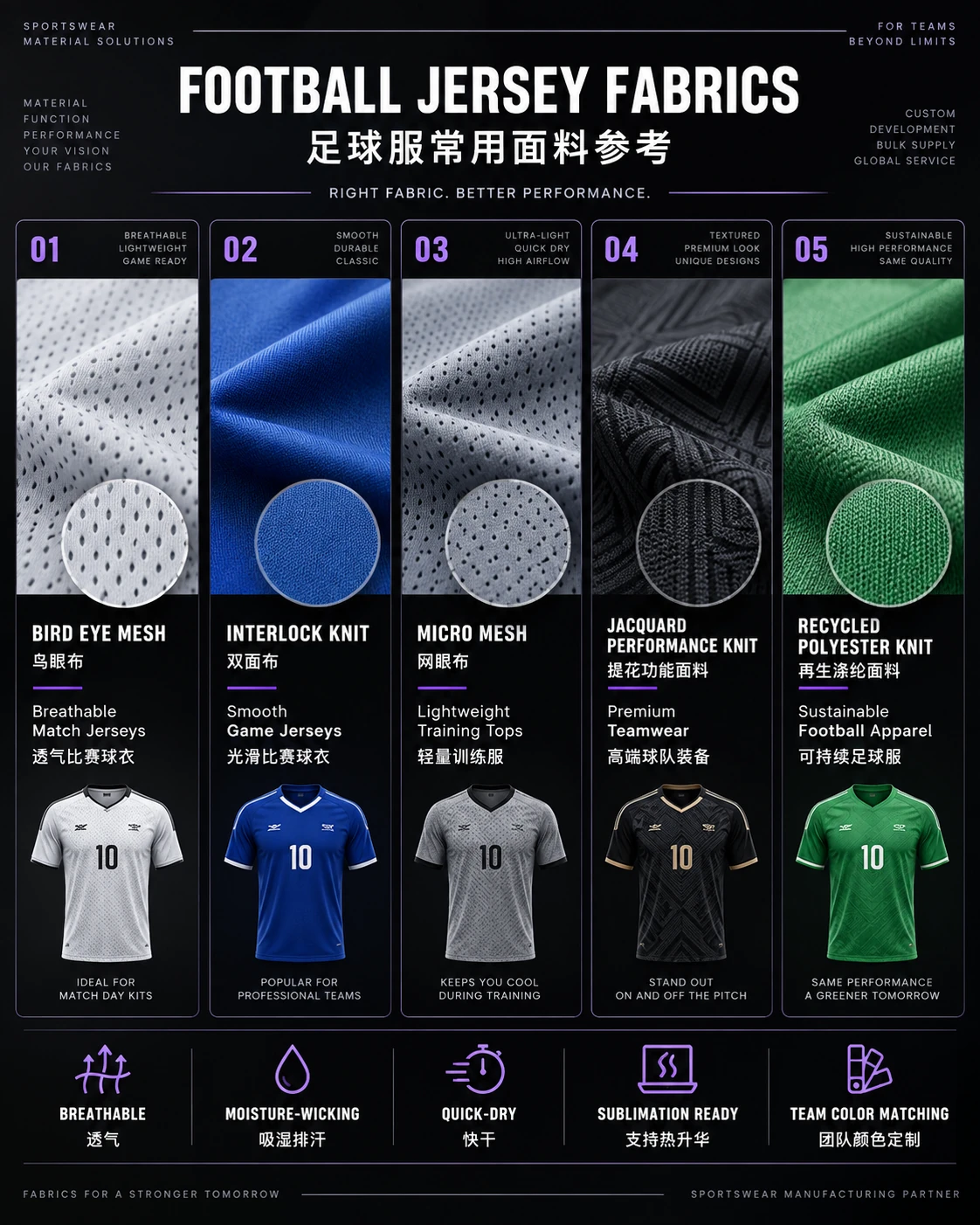
Review before approval
A sample needs
a specific question.
Choose the review scope for this project. Material, fit, artwork and packing approvals cover different decisions; a sample is not an automatic approval of the full order.
Identity proof
role colours, sponsor hierarchy and artwork versions.
Product sample
recipient use, fit and any separate official requirements.
Issue-plan review
final role counts, labels and destination groups.
Agree the sample arrangement.
Confirm the reference, purpose, any fee, timing, shipping and who signs off. Record approved changes in the product specification before production release.
Review sample & order support ↗Start with what you know
Your first enquiry.
Not a finished order.
Product choices and exact quantities are optional. Give us the requirements you already know; mark open decisions for discussion. You can attach your saved products or send requirements only in the shared project form.
Discuss this buyer brief ↗Review your saved products ↗MOQ, production & dispatch guidance
General guidance confirmed 30 September 2026. Your quotation defines the applicable product, quantity unit and start point.
- MOQ · 60–100 sets
- Typical factory minimum for standard project orders. Fully custom projects normally start at 300–500 pieces. The applicable unit and quantity split are confirmed in the quotation.
- IN STOCK · 7–10 days
- Confirmed in-stock products have a dispatch lead time of 7–10 days. Confirm stock availability and the date this period starts in the written quotation. This is dispatch from the supplier, not arrival at your destination.
- STOCK CUSTOM · Within 15 days
- Customisation of an available stock style is normally completed within fifteen days, subject to the confirmed artwork and order details.
- FULL CUSTOM · About 25 days
- Fully custom production is approximately twenty-five days. The written quotation confirms the starting point and project-specific timing.
Sampling takes 15–20 days, with the sample type and starting point confirmed for the actual project. Production or dispatch timing does not include international freight, customs or final delivery unless the quotation states otherwise.
Review samples, approval and delivery planning →Buyer questions
Details that change
the buying decision.
Is our requested arrival date already a production promise?
No. It is the date you want to receive the goods. Quote review, artwork, samples, size approval, production, transport, customs and final delivery must be considered separately before a feasible schedule is agreed.
How do we separate participants, officials and staff?
Create a row for each role and product, with its quantity, unit, size structure and artwork version. If officials have specific dress requirements, include those documents for review rather than assuming a general polo or jacket is compliant.
Can we request packing by team or role?
Describe the exact grouping and label information in the enquiry, including how goods will be distributed at the event. Sorting and packing are agreed against the actual order; website selection alone does not book a fulfilment service.
What if the final participant count is not ready?
Use an estimate in the first enquiry and name the person responsible for the final count. Keep optional quantities visible and agree when the product matrix and size breakdown must be approved before production.
Should event registration and goods arrival use the same deadline?
Keep them separate. An artwork-registration date can occur before goods are needed. State both dates so proofing, approvals and physical delivery can be planned against the correct milestones.
Your project, your decisions
Bring the buyer brief.
Keep the detail editable.
Start with this buying route and your selected products above. Share the quantities, destination and desired arrival date you know; leave the rest for discussion.
Prepare your enquiry ↑Compare other buyer routes →