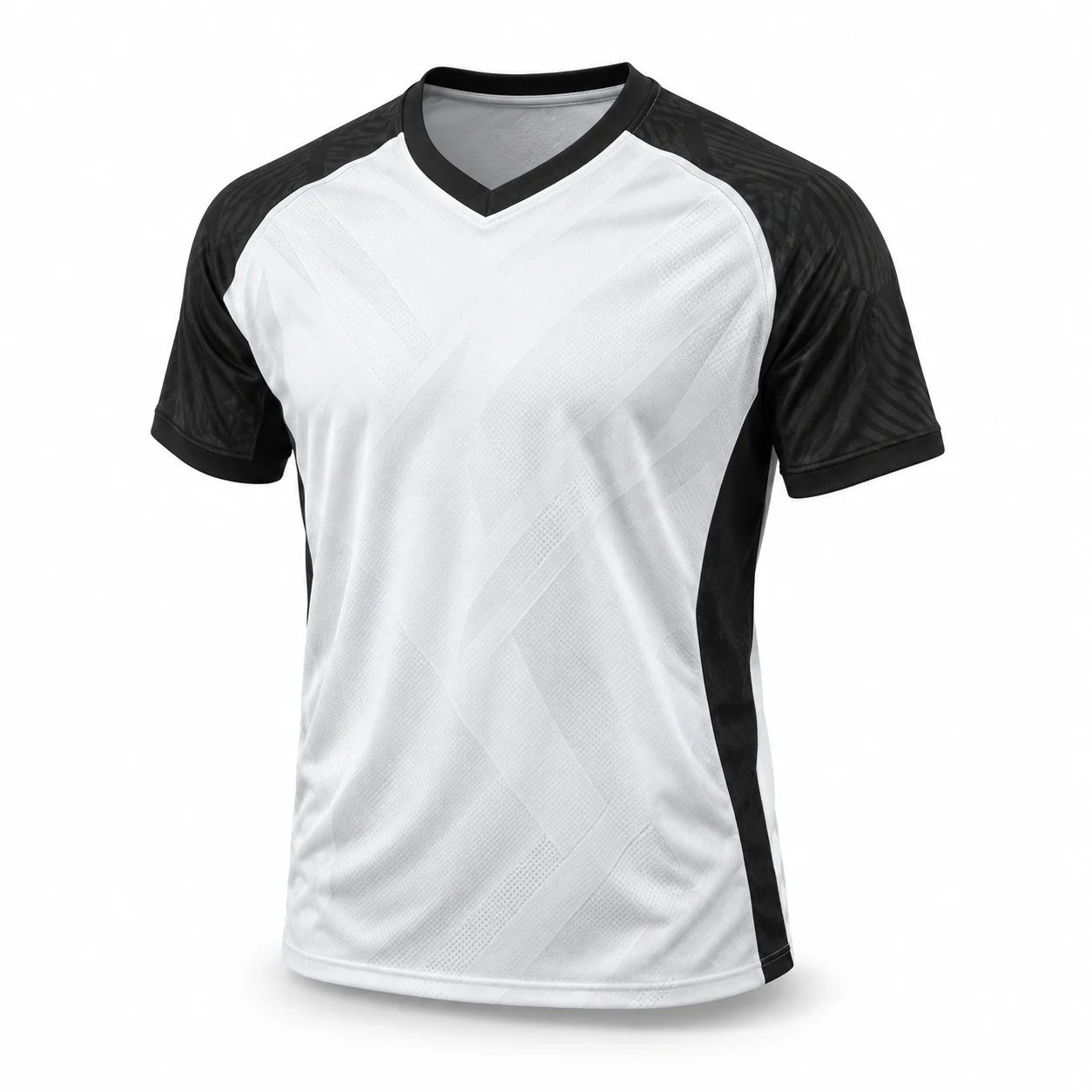
 KR-MT-001
Football match shirt
A football shirt reference; requested youth measurements require product-level review.
View product details ↗ KITOEM
 · Youth academies
Age groups organise the programme; measurements guide the size discussion. Confirm the supported size range before collecting a final roster.
Explore product combinations ↓
Players in the same age group do not necessarily wear the same size. Build a controlled issue plan that can handle different body measurements, coaches and later additions without rewriting the whole order.
Your project in practice
A youth programme with changing squads, coaches and new joiners. Start with garment-specific size feasibility, then collect only the information needed for the agreed fitting and order process.
What to bringDescribe required body or garment measurements, intended fit and the selected garment families.
What to confirmConfirm the supported range before collecting final choices. An age label does not establish size, grading or availability.
What to bringAgree who reviews fit with the wearer or guardian and whether an appropriate sample is needed.
What to confirmCheck movement, garment length and layering on each product. Do not automatically size up as a blanket growth allowance.
What to bringUse one responsible academy contact for squad labels, checked spelling, numbers and garment selections.
What to confirmStart the enquiry with counts and scope. Provide identifiable roster information only when needed through the agreed review process.
What to bringSeparate player products, adult coach apparel, optional carry items and anticipated later requests.
What to confirmFreeze the approved version and record subsequent changes separately. Small additions do not inherit guaranteed minimums or timing.
Build the product scope
Explore the groups and select only the products you want. Product selection is optional and quantities can stay open in your enquiry. Nothing is sent here.
Use the age group as a team label only. Ask about supported product sizes and fit references before assigning any selected shirt or shorts to a young wearer.
KR-MT-001A football shirt reference; requested youth measurements require product-level review.
View product details ↗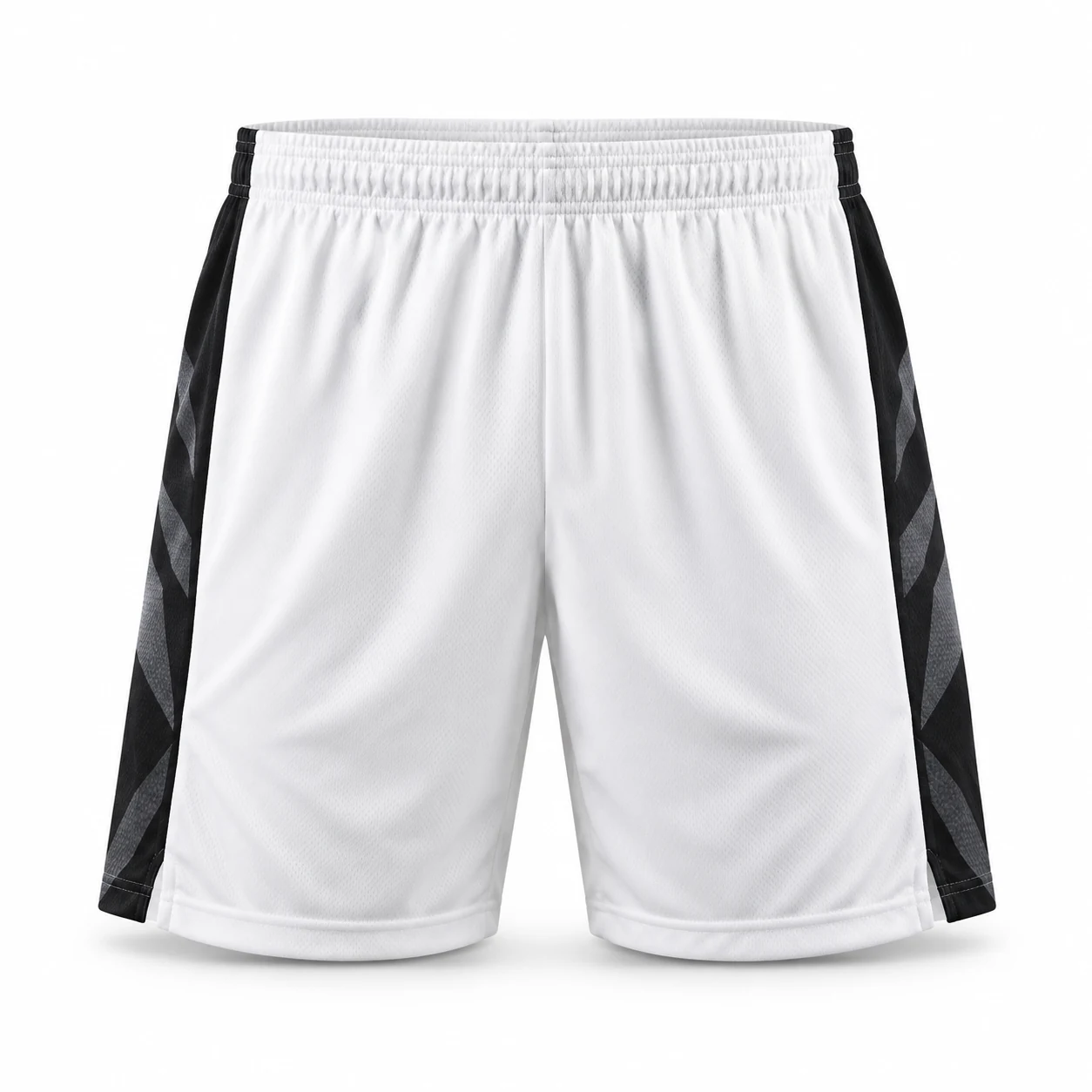 KR-MT-003
Review shorts fit independently rather than deriving it from the shirt size.
View product details ↗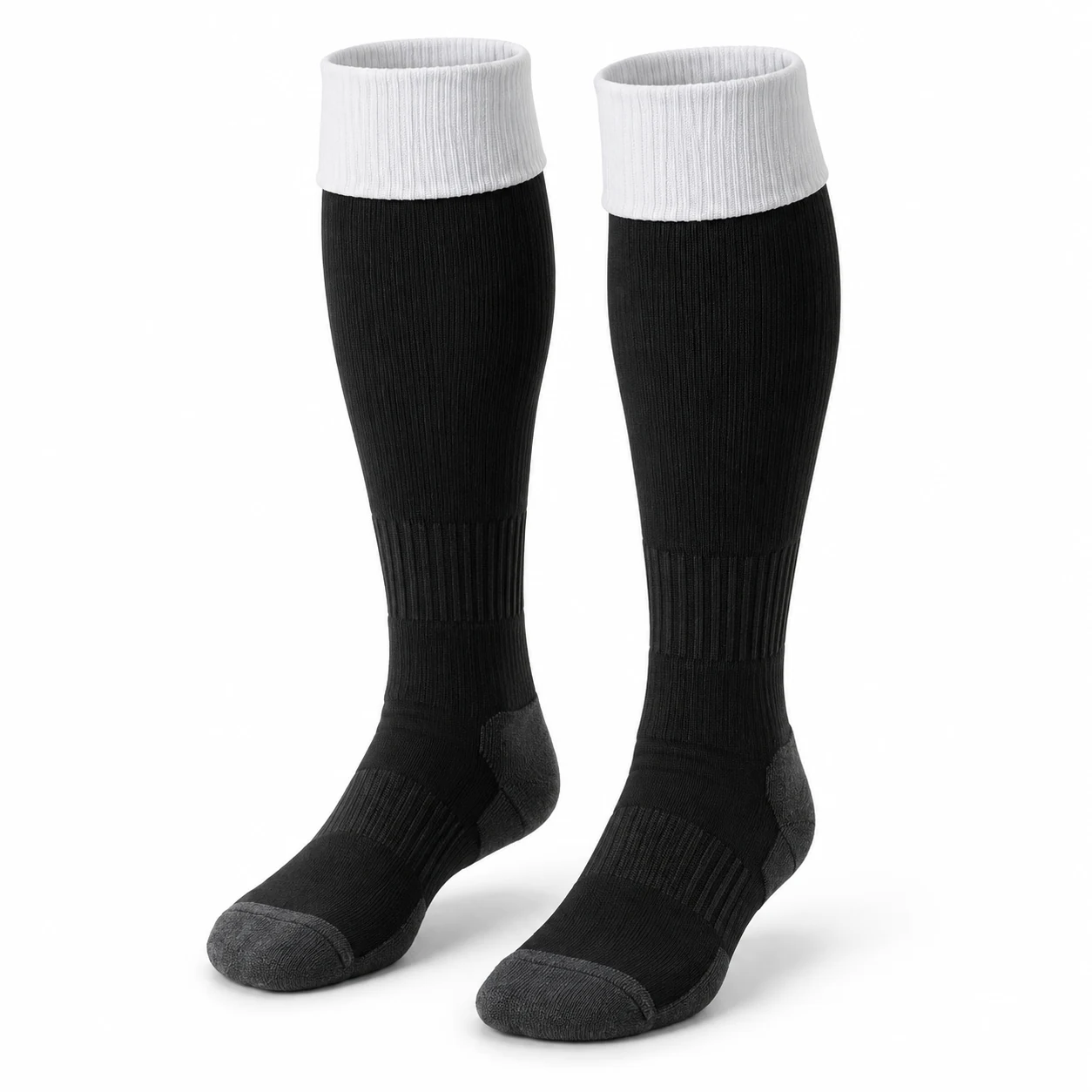 KR-AC-001
Keep the sock size and pair count separate from apparel sizing.
View product details ↗Use the age group as a team label only. Ask about supported product sizes and fit references before assigning any selected shirt or shorts to a young wearer.
Choose the garment roles first, then check the required size range for each. A training layer is not automatically supplied in every match-shirt size.
Keep adult staff apparel and optional bags outside the player-size assumption. Count the actual recipients of each item.
Choose with the trade-off in view
Use when the selected garment has a suitable size reference for the required range.
Requires careful measurement and fit discussion rather than a quick age-to-size shortcut.
Use when the academy needs wearers to assess the intended fit.
Build in a sample review and approval stage, with actual terms agreed for the product.
Use when different squads have different decision dates.
Later orders require a fresh quantity, availability and specification review.
Buyer input / agreed output
Use this planning sequence when agreeing your order. It is not a completed inspection record.
Materials & relevant project context
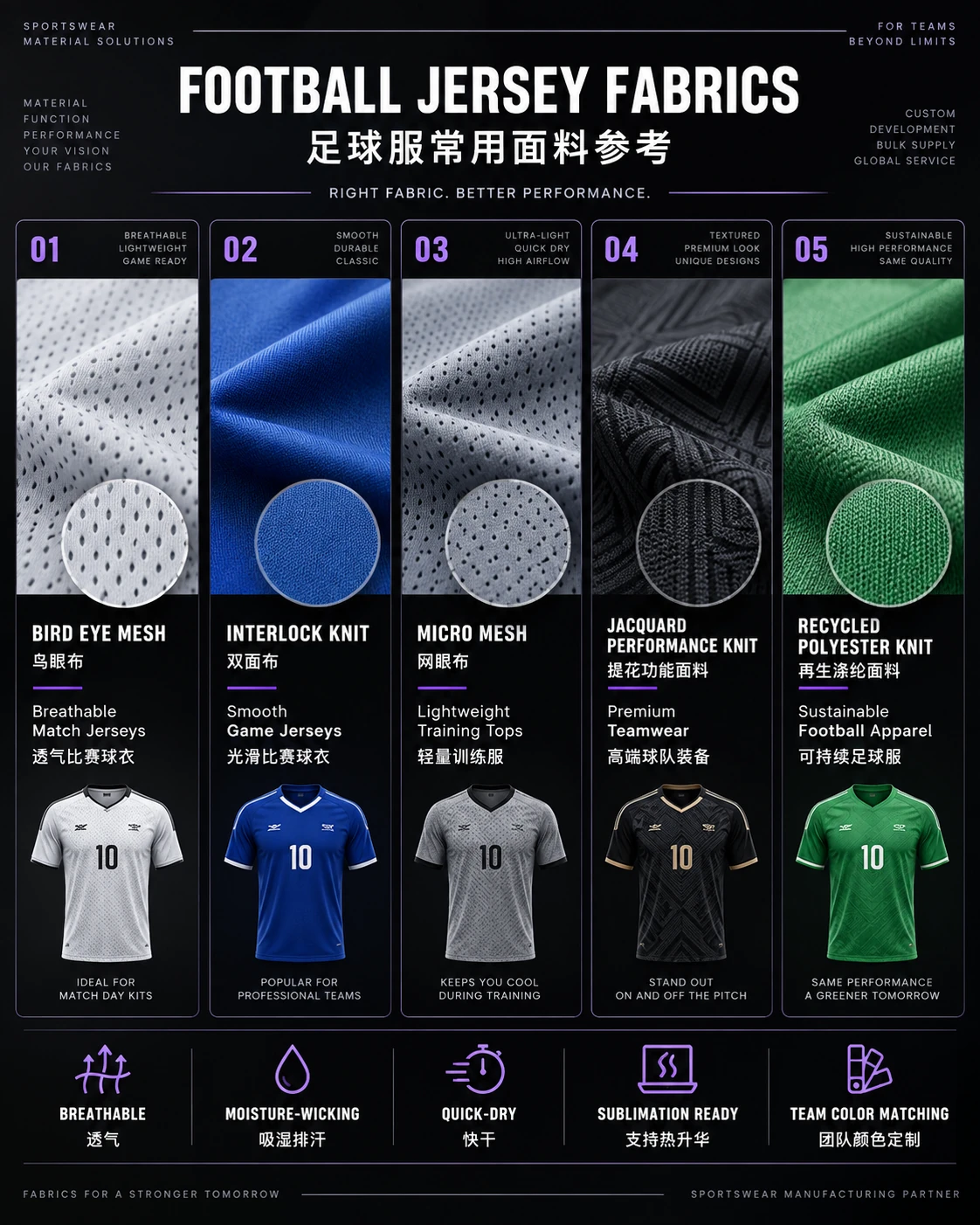
Explore the available authentic fabric details and compare a physical reference against the product you want to make. Garment construction, artwork and fit belong in the same review.
Explore material references →Review before approval
Choose the review scope for this project. Material, fit, artwork and packing approvals cover different decisions; a sample is not an automatic approval of the full order.
Size-feasibility review before final squad collection.
Wearer fit discussion for each selected top, short and layer.
Roster review with separate player and adult-coach issue lists.
Confirm the reference, purpose, any fee, timing, shipping and who signs off. Record approved changes in the product specification before production release.
Review sample & order support ↗Start with what you know
Product choices and exact quantities are optional. Give us the requirements you already know; mark open decisions for discussion. You can attach your saved products or send requirements only in the shared project form.
Discuss this buyer brief ↗Review your saved products ↗General guidance confirmed 30 September 2026. Your quotation defines the applicable product, quantity unit and start point.
Sampling takes 15–20 days, with the sample type and starting point confirmed for the actual project. Production or dispatch timing does not include international freight, customs or final delivery unless the quotation states otherwise.
Review samples, approval and delivery planning →Buyer questions
Age groups are useful squad labels, not garment sizes. Confirm the selected product’s supported range, use body or garment measurements and review the intended fit before collecting the final size list.
Do not assume that. Identify the chosen product and required measurements in the enquiry. The supported size range is reviewed per garment; a catalogue shape alone does not confirm youth grading.
Discuss intended fit and wearing period with the wearers or guardians using the selected product’s reference. An automatic size increase can change comfort and garment proportions; record the approved wearer choice rather than making a blanket adjustment.
Keep the original specification and roster version, then list additions as a separate request with their product sizes and quantities. Do not silently modify an approved file or assume the first order’s terms apply to a smaller addition.
Start with squad counts, garment roles and approximate personalisation scope. Share the final names, numbers and size list through the agreed order-review process only when needed, with one responsible roster owner.
Your project, your decisions
Start with this buying route and your selected products above. Share the quantities, destination and desired arrival date you know; leave the rest for discussion.
Prepare your enquiry ↑Compare other buyer routes →