The decision in one paragraph
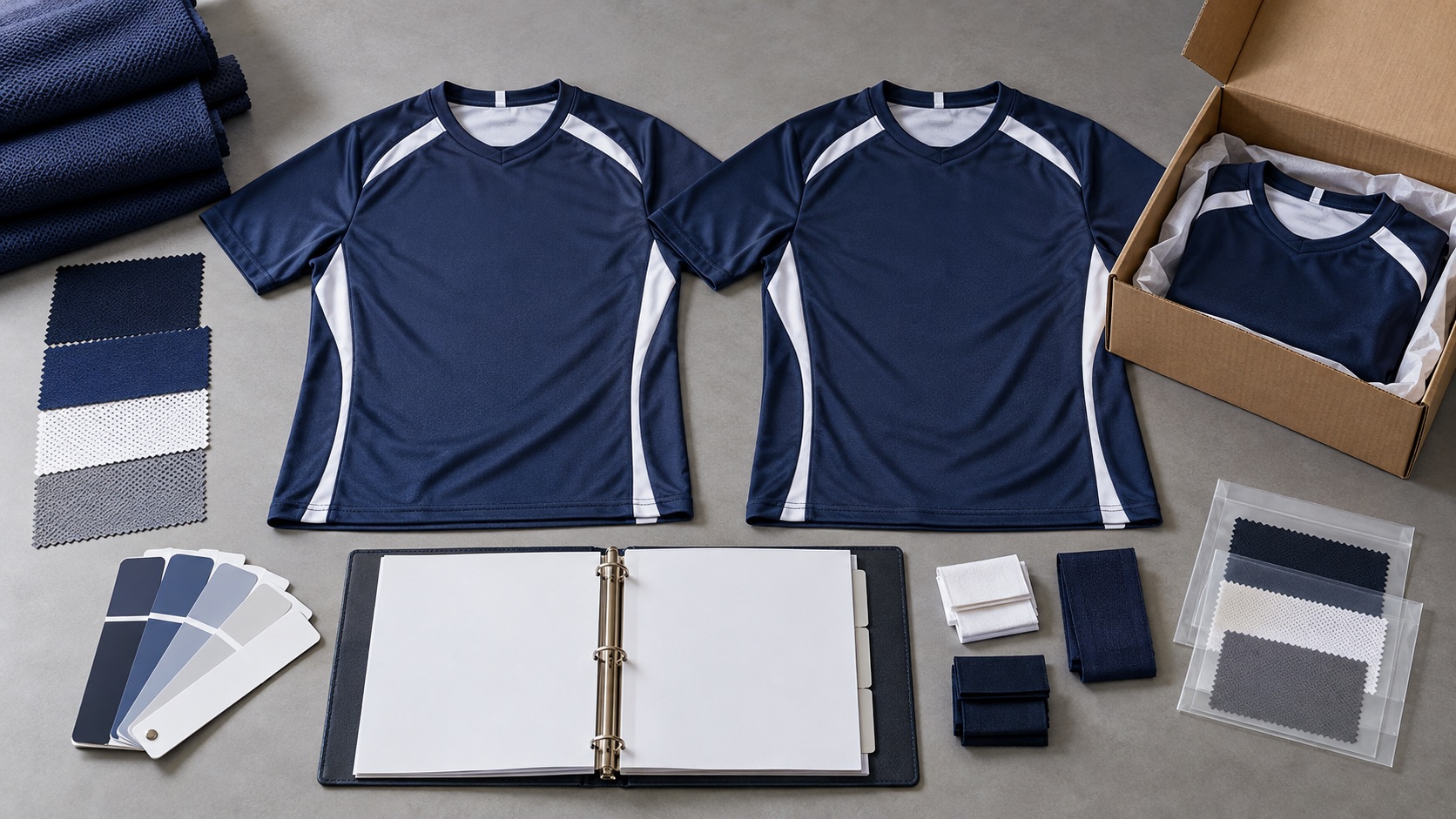
Agree the reorder system before approving the first bulk order. Give the style, colourway, artwork, measurements, materials, trims, labels and packaging controlled identifiers; ask what the supplier will retain and for how long; record minimum quantities, price-review conditions, sample triggers and the expected route for small additions. A reorder should begin with a comparison against the archived approval pack. If a fabric, dye lot, trim, pattern, process or production site changes, the supplier should disclose it and the parties should decide what must be re-approved.
1. Define what “the same product” means
A repeat order is not defined by a shared thumbnail or product name. It is defined by the controlled characteristics the buyer expects to remain consistent. Create a style identity that covers pattern and fit, measurement specification, main and contrast materials, colour references, construction, artwork, personalisation method, labels, packaging and approved exceptions. Give the approved colourway and each file a revision.
Separate fixed requirements from supplier-selected components. If the quote says only “polyester performance fabric,” the supplier may choose a different construction later while still believing it meets the description. Record the supplier fabric reference, composition claim, weight or other relevant characteristics, colour route and approved swatch. Do the same for collar ribs, zips, elastic, thread, transfers and labels where a change would affect appearance or use.
Decide whether the reorder target is visual continuity, functional equivalence or exact construction. A club replacing two shirts may prioritise visual matching with the existing squad; a retailer may need label and packaging continuity; a programme refreshing the whole team can accept a documented new generation. State the objective before asking for a repeat price.
2. Build a reorder archive from the approved first order
The archive should include the final quotation and purchase record, technical specification, measurement chart, artwork and colour references, roster format, approved sample comments, production-approved files, label and packaging layouts, inspection criteria, final packing list and photographs used only as supporting reference. Keep one buyer-controlled copy; do not depend entirely on a supplier account or messaging history.
Retain physical references where practical: an approved sample, fabric and trim swatches, print or colour standard and packaging example. Label them with style, colourway, date and order reference. Store them away from light, moisture and uncontrolled handling because materials can age or become contaminated. A physical sample is valuable, but measurements and files are still needed to describe what is being compared.
Ask the supplier which digital files, screens, print profiles, patterns, moulds, templates or stock components it retains, who owns them, whether storage fees apply and when they are deleted. If the buyer owns artwork or tooling, record access and transfer terms rather than assuming possession.
3. Record the commercial rules for additions
Ask how MOQ is calculated for reorders: by style, colour, fabric, print layout, size, personalisation method or total production batch. Obtain examples for the additions the club is likely to need, such as one replacement goalkeeper shirt, six player shirts in mixed sizes or a new youth squad using the same design. Treat examples as current quotations, not permanent promises.
Record what can change the price: quantity band, material cost, exchange rate, artwork change, small-run setup, express production, freight route and packaging. An initial low price tied to a large launch quantity may not be available for two replacements. The club needs the small-order economics before deciding how much spare stock to buy.
Define the ordering channel, required fields, payment stage and target response time for repeats. If a distributor or agent is involved, identify who checks the previous specification and who holds the files. Reorder convenience depends as much on record ownership as production capability.
4. Expect batch variation and decide how it will be judged
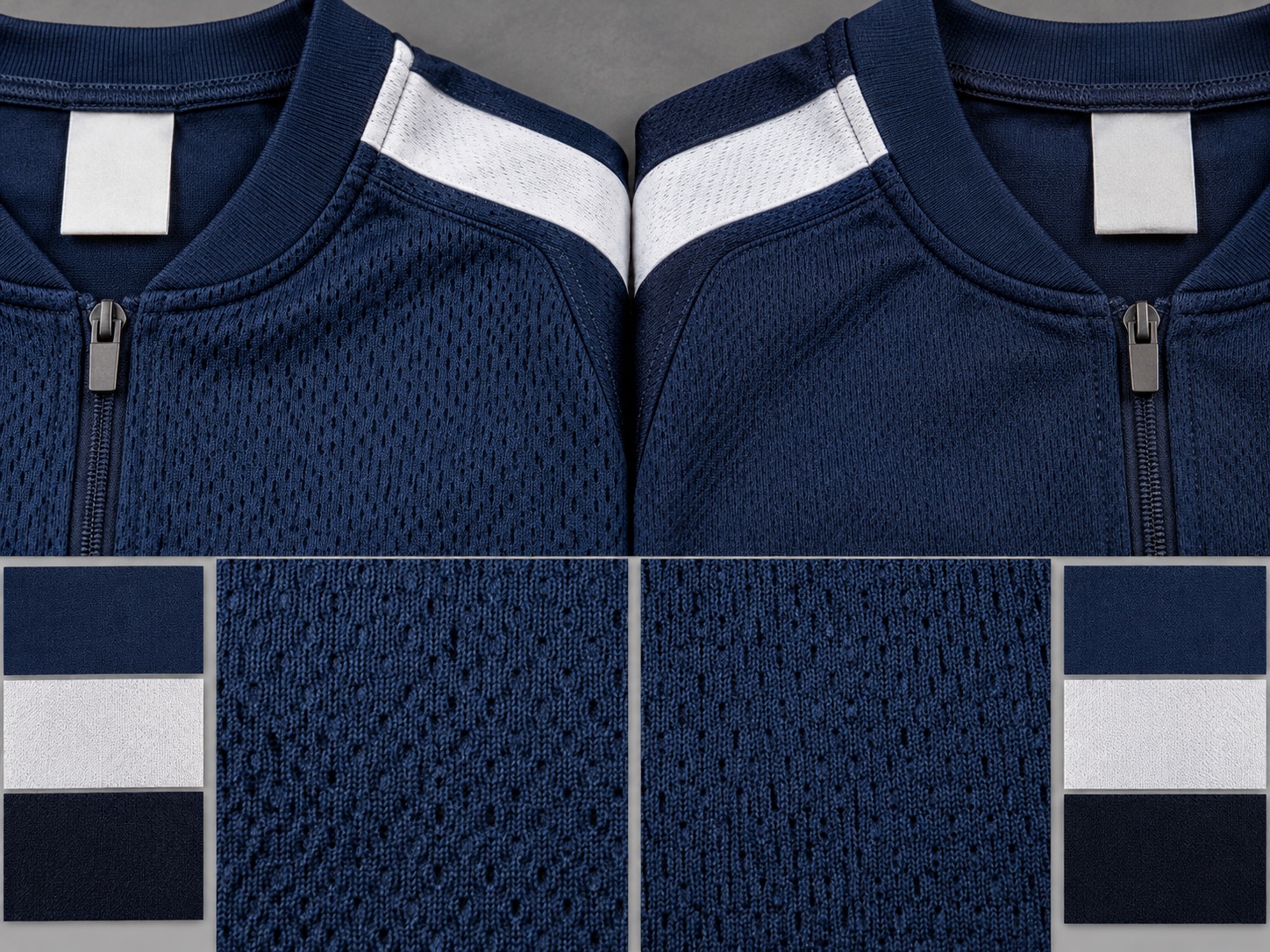
Textiles, dyes, prints and trims can vary between production lots. The question is not whether any numerical difference exists; it is whether the difference is acceptable for the intended use and measured against an agreed reference. Ask whether repeat garments will be produced from remaining material, a new lot of the same reference or a replacement material. The supplier should not describe a new source as identical without comparison evidence.
Compare new and retained references under controlled, neutral conditions. Review colour, surface, weight and hand, stretch and recovery, opacity, printed detail, trim shade and finished measurements as relevant. A photograph sent from a phone can flag an obvious issue but is unreliable for final colour approval because lighting, camera processing and displays differ.
For replacement shirts worn beside the first batch, visual matching may require a tighter practical decision than for a complete new squad. If an exact match is not feasible, the buyer can choose to accept the variance, replace a larger group, change the affected panel or move to a new generation. Record that choice rather than allowing production to proceed on an unspoken expectation.
5. Require a change notice before substitution
The supplier should identify changes to material reference or source, colour process, pattern, construction, artwork method, trim, label, packaging, production site or subcontracted process before accepting the repeat as unchanged. The notice should explain the reason, affected products, available evidence, price and schedule effect, and proposed approval route.
Classify the change by risk. An outer-carton dimension may need document approval; a revised care label requires content and placement review; a new fabric may require swatch, measurement, print, fit or wash evaluation; a pattern change may require a garment sample. The parties should decide the evidence based on the effect, not on whether the supplier calls the change minor.
Preserve the superseded version. If a new generation is approved, give it a new revision or style identity and state whether future additions will match the old or new version. This prevents a mixed team from receiving uncontrolled hybrids.
6. Decide when a repeat needs another sample
A reorder from retained material, unchanged pattern and controlled files may need only a written pre-production confirmation. A new lot, new supplier, long time gap, artwork change, size-range extension or previous quality problem can justify a swatch, print strike-off, size-set item or complete sample. Put these triggers into the first-order agreement.
The approval should compare the repeat with the archived reference and list any accepted differences. Do not approve a new sample against memory. If a retained garment has been washed or worn, note its condition and use the unwashed archive or original measurements where available.
Sample timing belongs in the repeat lead time. Small urgent additions can become slower than a larger planned batch if materials need to be sourced and approvals reopened. The buyer should choose between speed and evidence consciously rather than discovering the trade-off after payment.
7. Use the first order to reduce future uncertainty
Before final payment, reconcile delivered quantities and preserve a clean archive set. Record lot or supplier references available on documents, unused materials owned by the buyer, unresolved defects and corrective actions. Ask whether remaining fabric or trims can be reserved, under what conditions and for how long. Do not assume a supplier can store components indefinitely.
Set a review date before the season’s likely replacement point. Check roster changes, stock by size, damage history and supplier status early enough to use normal production and freight. Combining predicted needs into a planned window can be more practical than repeated emergency additions, subject to current MOQ and inventory risk.
A strong reorder system does not promise perfect sameness. It makes change visible, gives both parties a reference and creates a decision route. That is what allows a club to choose a small repeat, a larger replacement batch or a controlled product update with evidence.
What to confirm for your project
- Controlled style, material, artwork and measurement identities
- Buyer and supplier archive responsibilities
- Reorder MOQ, price drivers and ordering channel
- Batch-comparison method and visual-matching objective
- Change-notice and sample triggers
- Retention period for files, references and components
MOQ, sampling conditions, production timing, exact material options and service scope are confirmed for the specific product and order. This guide does not replace a current quotation, approved sample or production specification.
Questions to carry into supplier review
- Which first-order records will still exist when the club needs replacements?
- How is a small repeat priced and what minimum applies?
- Which changes require a new sample?
- What happens if the original material is no longer available?
Questions buyers ask next
Can a supplier guarantee an exact colour match on every reorder?
A supplier can describe its control method and compare batches, but exact matching may be limited by new material, dye or print lots, aging of existing garments and viewing conditions. Define the reference and acceptance route, especially when new shirts will be worn beside the old batch.
Should a club buy extra shirts instead of relying on reorders?
Use both stock and reorder terms according to risk. Spares provide immediate cover but tie up budget and may become obsolete after roster or sponsor changes. Reorders reduce inventory but may have MOQ, price, batch and timing limits. Model likely replacements by product and size before the first order.
How long should suppliers keep artwork and technical files?
Ask for a stated retention period and ownership arrangement; there is no universal term. The buyer should keep its own approved copies regardless. If specialised tooling, screens or templates matter, record storage, charges, access and disposal rules separately.
Does a repeat order always need a pre-production sample?
Not always. Use a risk-based trigger. An unchanged repeat made soon from controlled references may need confirmation only, while a new material lot, production site, pattern, artwork or long interval may justify renewed sampling. Put the decision and evidence in writing.
What if the original fabric has been discontinued?
Request the proposed replacement reference and a change notice. Compare relevant construction, colour, surface, weight, stretch, print response and garment fit. Decide whether a swatch, print test or garment sample is needed, then assign a new revision if approved.
Technical references and question evidence
- Technical referenceAATCC TM135-2025 — Dimensional Changes of Fabrics after Home Laundering
- Technical referenceASTM International — Textile standards catalogue
Technical references support the discussion method. Question evidence documents public discussion of an issue; it does not diagnose a KITOEM product or establish a test result.