 KR-MT-001
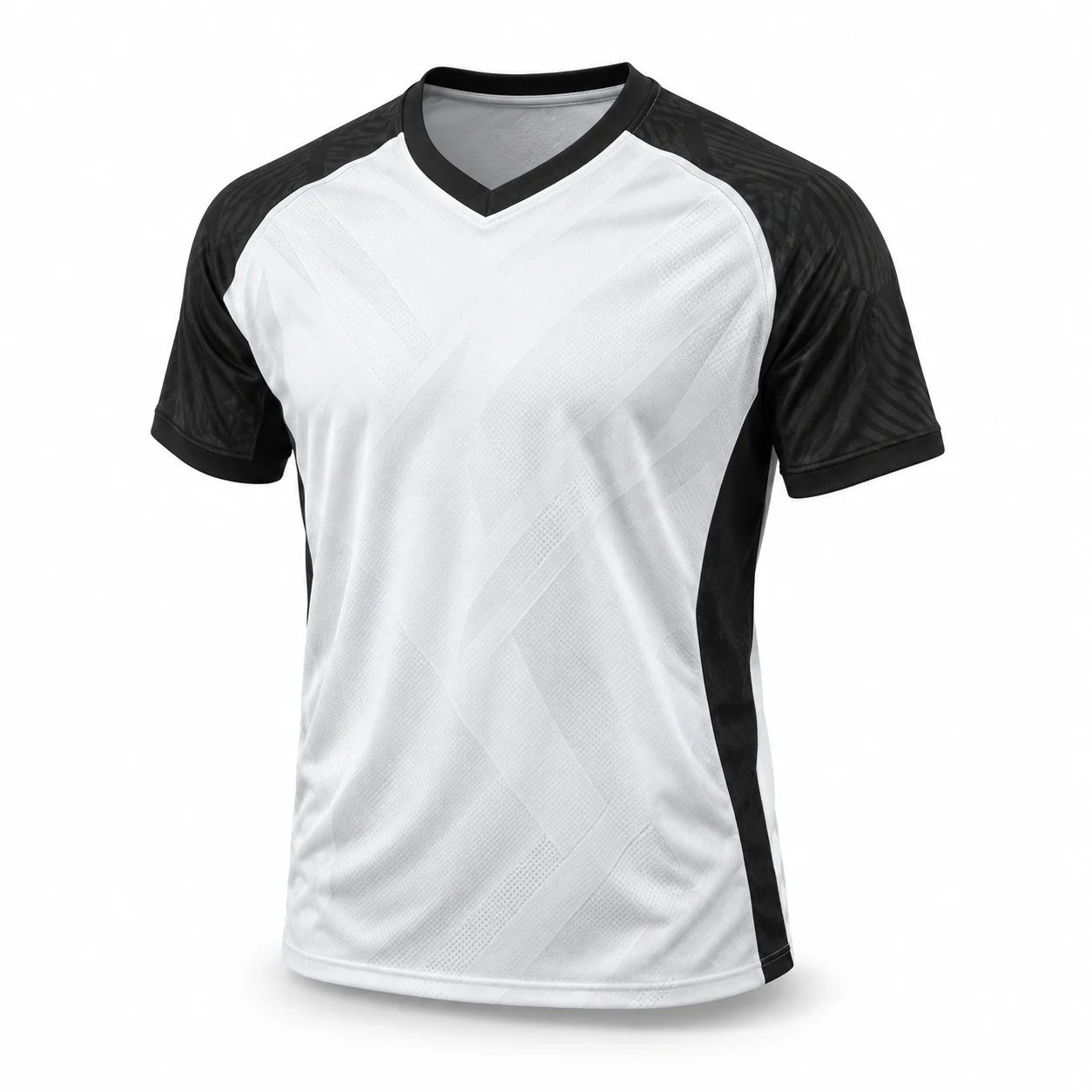
Football match shirt
A recognisable football shirt reference with a separate product and artwork brief.
View product details ↗ KITOEM
 · Dealers & distributors
Choose a focused assortment, evaluate the samples and keep each style’s quote, packing and repeat-order reference visible.
Explore product combinations ↓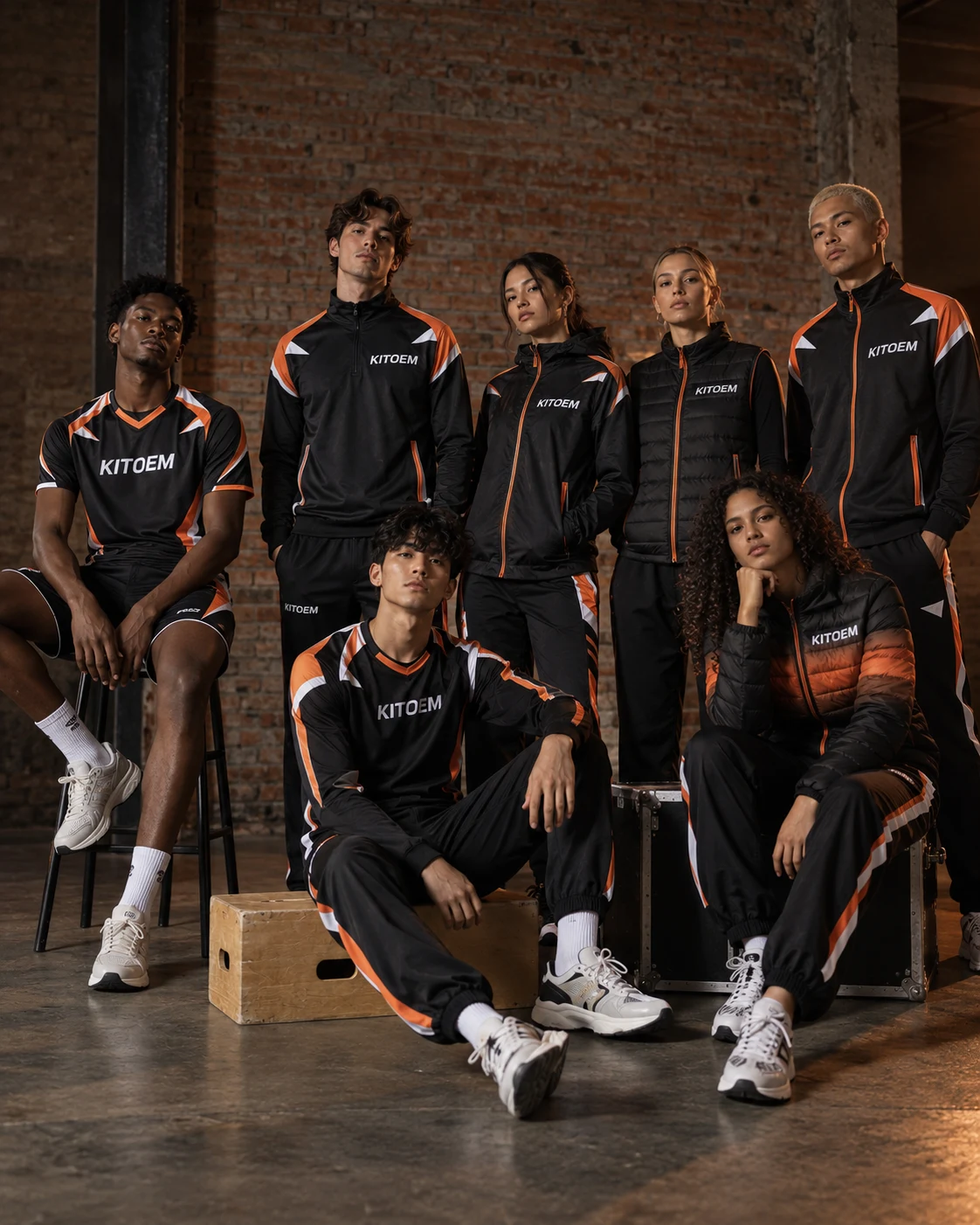
An opening range can look comprehensive while being hard to sell or reorder. Start with clear product roles for the target channel, not a large list of colours with no specification behind it.
Your project in practice
A distributor preparing an opening range for clubs or retail partners. Separate core styles from optional additions, then compare samples and commercial lines consistently before expanding the range.
What to bringName the sports and customer groups you serve, selling season and the purpose of every proposed style.
What to confirmKeep a focused core assortment and mark optional layers or carry products separately; more colours do not replace product differentiation.
What to bringGive known estimates by style, colour and size distribution, with the product unit retained.
What to confirmCompare item-level pricing, sample costs, packing and freight scope on the same quote version. Minimums remain product-specific.
What to bringDescribe the same fit, fabric, construction, decoration and presentation checks for each sample.
What to confirmRecord which reference is approved, revised or excluded. Do not turn a display image into a sales sample or available-stock claim.
What to bringRequest the label, barcode, carton grouping and reorder references your channel actually needs.
What to confirmConfirm code formats, label files and packing method in writing. Territory protection and exclusivity need their own agreement.
Build the product scope
Explore the groups and select only the products you want. Product selection is optional and quantities can stay open in your enquiry. Nothing is sent here.
A narrow starting assortment lets the sales team explain separate top and lower-body choices. Choose the sports your channel actually serves.
KR-MT-001A recognisable football shirt reference with a separate product and artwork brief.
View product details ↗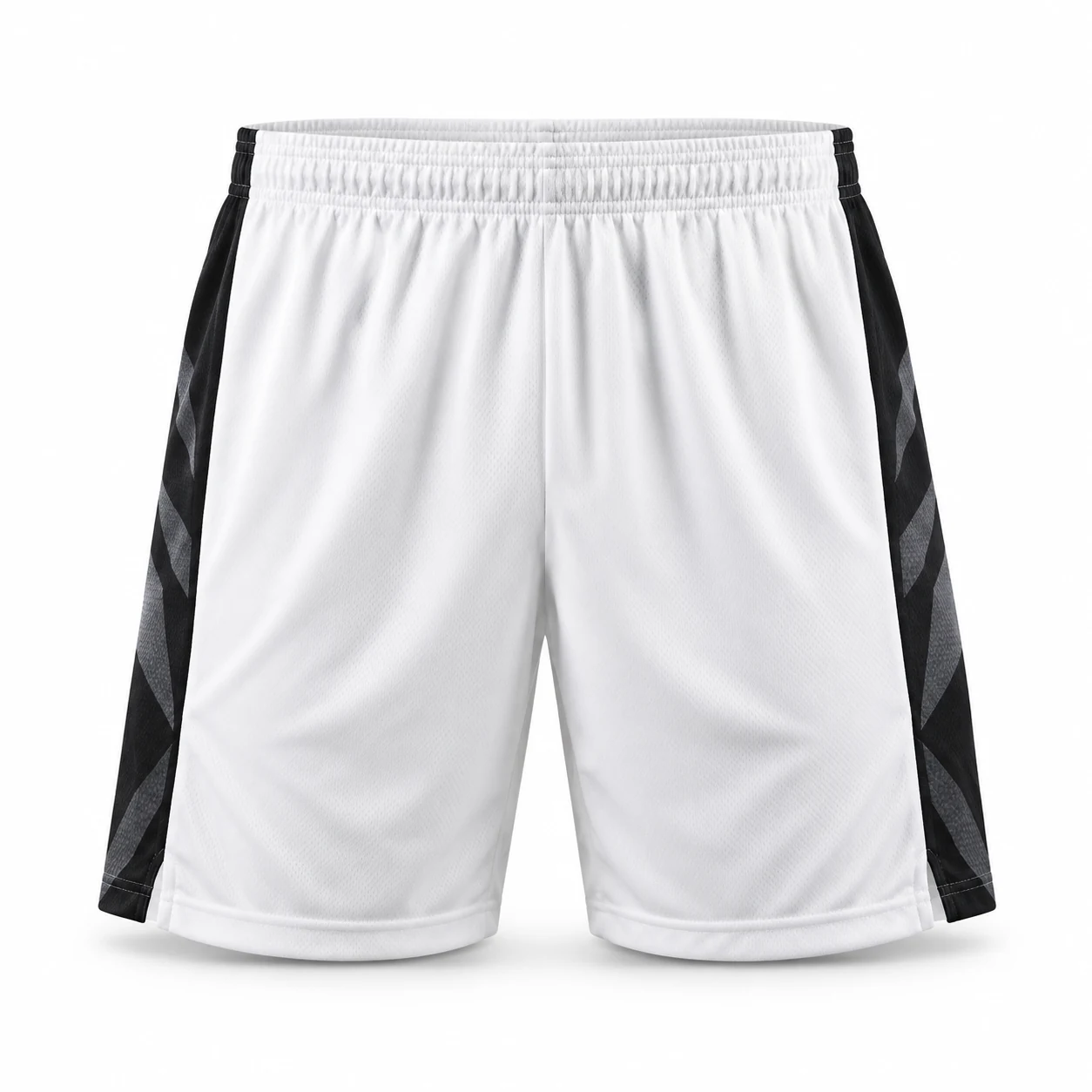 KR-MT-003
Keep shorts sizing and quantity distinct from the shirt, even in a coordinated offer.
View product details ↗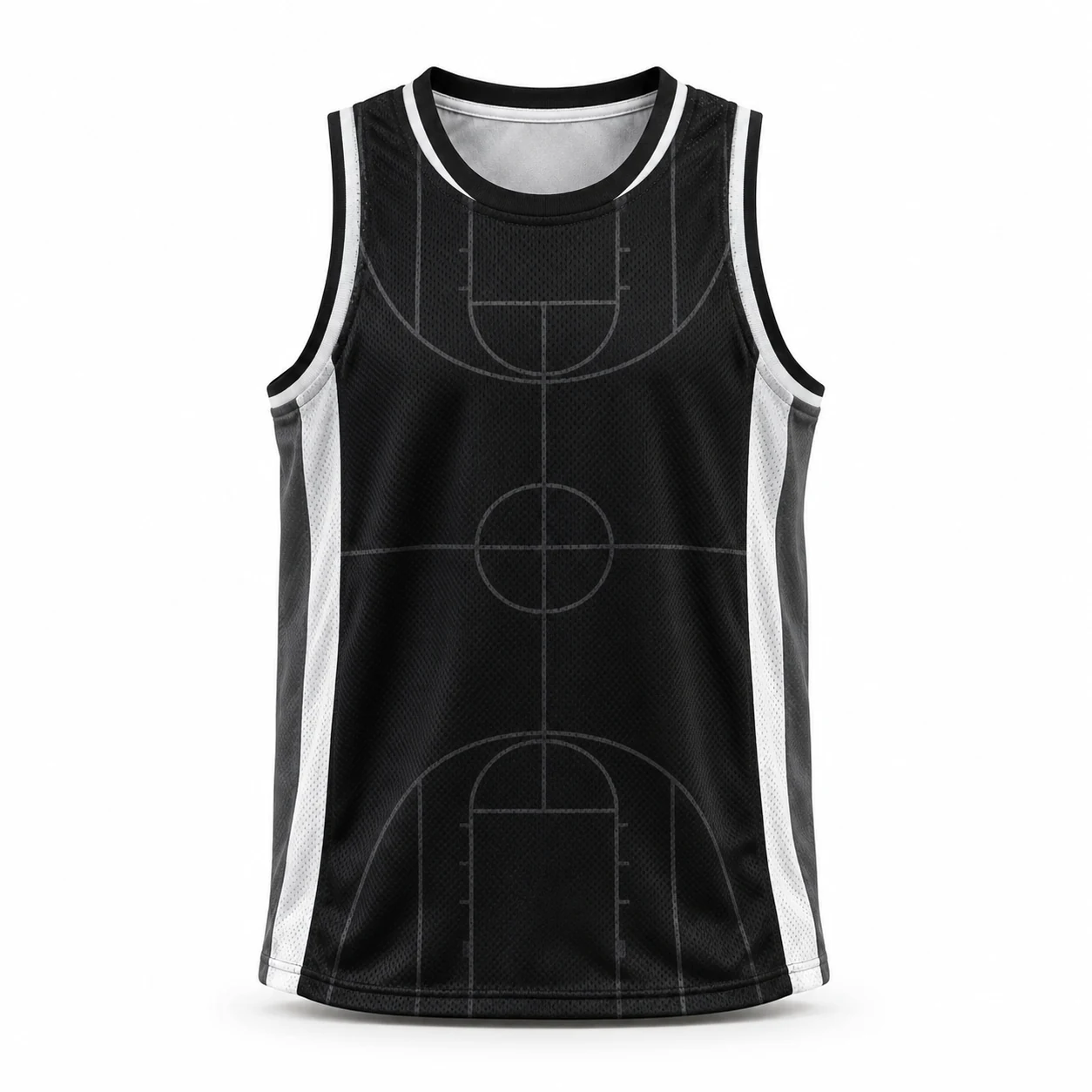 KR-MT-002
A different garment family for a basketball channel rather than another football colourway.
View product details ↗A narrow starting assortment lets the sales team explain separate top and lower-body choices. Choose the sports your channel actually serves.
Add a layer or staff garment only where it makes the range more useful to your customers. Each additional shape introduces another fit and sample decision.
Bag formats serve different packing habits. Compare them before expanding the assortment, and do not treat a photographic set as one fixed commercial bundle.
Choose with the trade-off in view
Use when you want a small number of clearly differentiated product roles.
Less breadth for niche requests, but fewer sample and specification decisions to manage.
Use when the channel already has distinct demand across sports.
More garment shapes and size references; evaluate each rather than assuming uniform terms.
Use when customers need an apparel-and-carry conversation.
Additional product units, packing dimensions and sample questions must stay visible.
Buyer input / agreed output
Use this planning sequence when agreeing your order. It is not a completed inspection record.
Materials & relevant project context
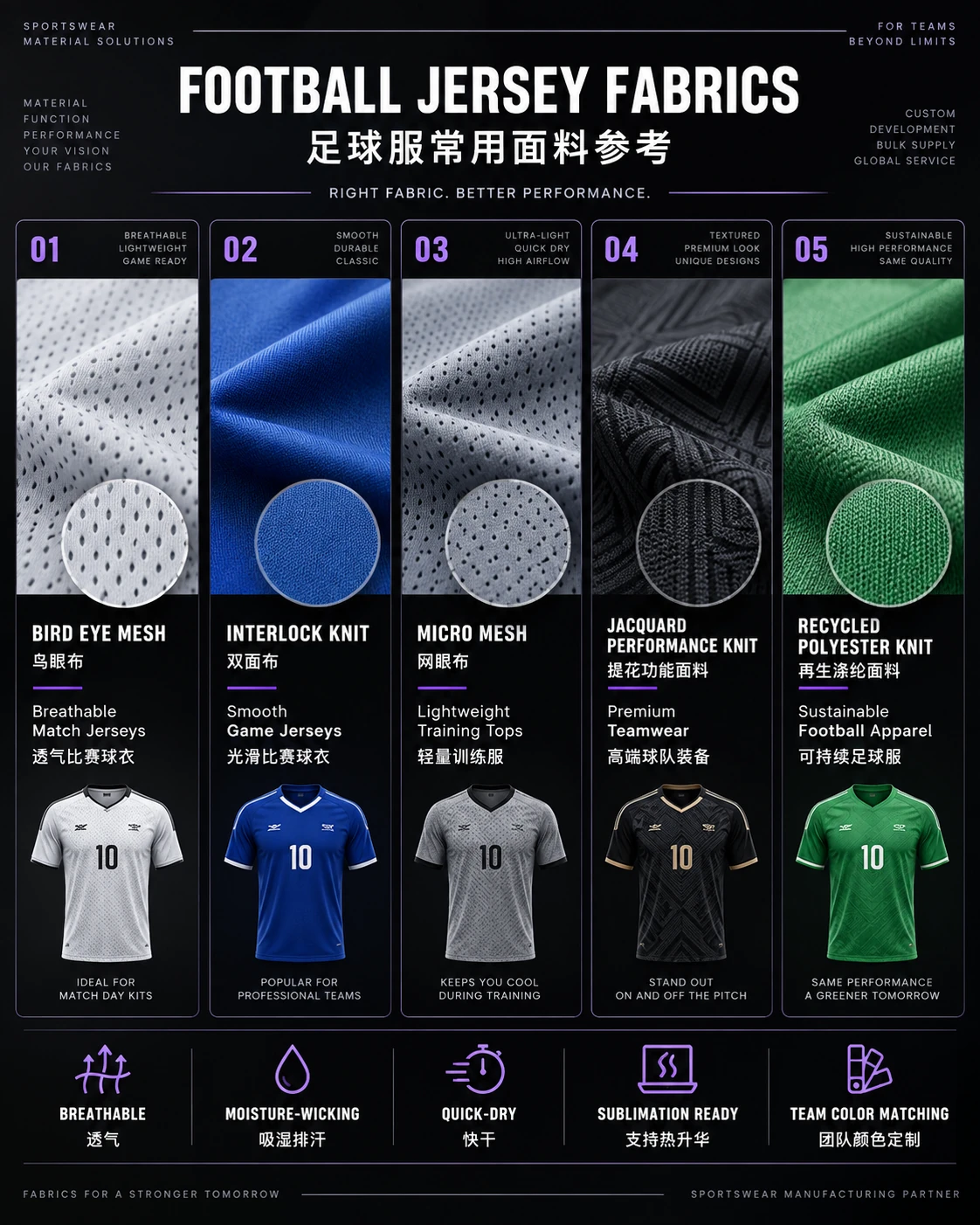
Explore the available authentic fabric details and compare a physical reference against the product you want to make. Garment construction, artwork and fit belong in the same review.
Explore material references →Review before approval
Choose the review scope for this project. Material, fit, artwork and packing approvals cover different decisions; a sample is not an automatic approval of the full order.
does each style have a clear sales role?
assess selected styles using the same questions.
confirm item identification and carton grouping.
Confirm the reference, purpose, any fee, timing, shipping and who signs off. Record approved changes in the product specification before production release.
Review sample & order support ↗Start with what you know
Product choices and exact quantities are optional. Give us the requirements you already know; mark open decisions for discussion. You can attach your saved products or send requirements only in the shared project form.
Discuss this buyer brief ↗Review your saved products ↗General guidance confirmed 30 September 2026. Your quotation defines the applicable product, quantity unit and start point.
Sampling takes 15–20 days, with the sample type and starting point confirmed for the actual project. Production or dispatch timing does not include international freight, customs or final delivery unless the quotation states otherwise.
Review samples, approval and delivery planning →Buyer questions
Include the destination market, customer types, selected product references, estimated quantity per style, size structure and identity or packing needs. Mark optional products separately so the range can be quoted in useful lines.
Give each product its own quantity and unit. A jersey, shorts, pair of socks and bag are not interchangeable quote units. A combined project total is useful context, not a substitute for the item breakdown.
Use a repeatable checklist for fit, material feel, seams, decoration and presentation. Record the sample reference and requested revisions. Sample availability, fees and timing are confirmed for the actual shortlisted products.
No exclusivity is assumed. If territory protection or another channel arrangement matters, state the market, scope and expectations in the enquiry for a separate written discussion.
Identify the previously approved product and file versions, then state the new quantity and size split. Ask which material, decoration and packing details can remain the same and which require a new approval.
Your project, your decisions
Start with this buying route and your selected products above. Share the quantities, destination and desired arrival date you know; leave the rest for discussion.
Prepare your enquiry ↑Compare other buyer routes →