 KR-MT-001
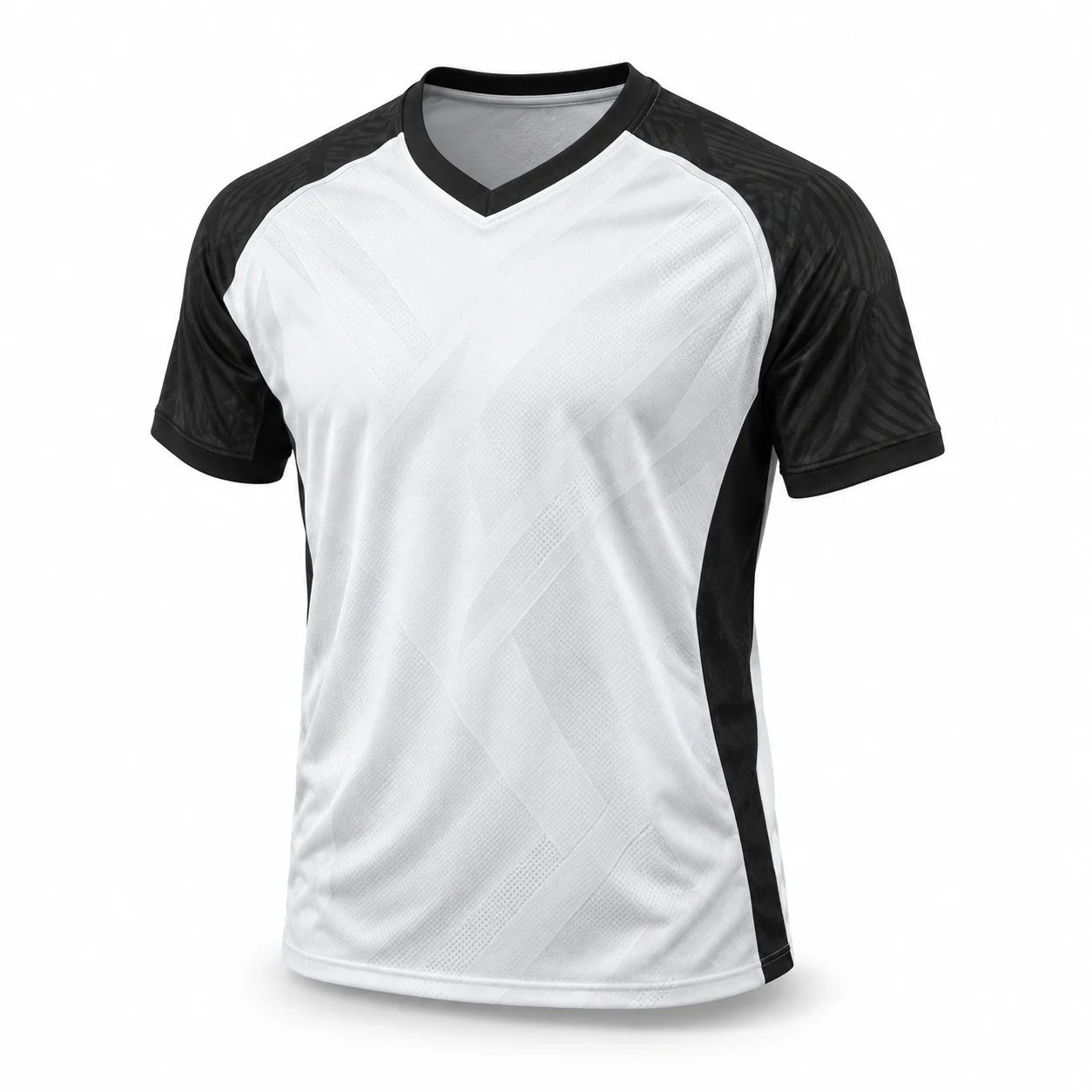
Football match shirt
A football shirt reference for neckline, panel layout and artwork-placement discussion.
View product details ↗ KITOEM
 · Brands & private label
Bring a finished tech pack, a product idea or a selected base style. Keep construction, artwork, labels and packing as separate approval decisions.
Explore product combinations ↓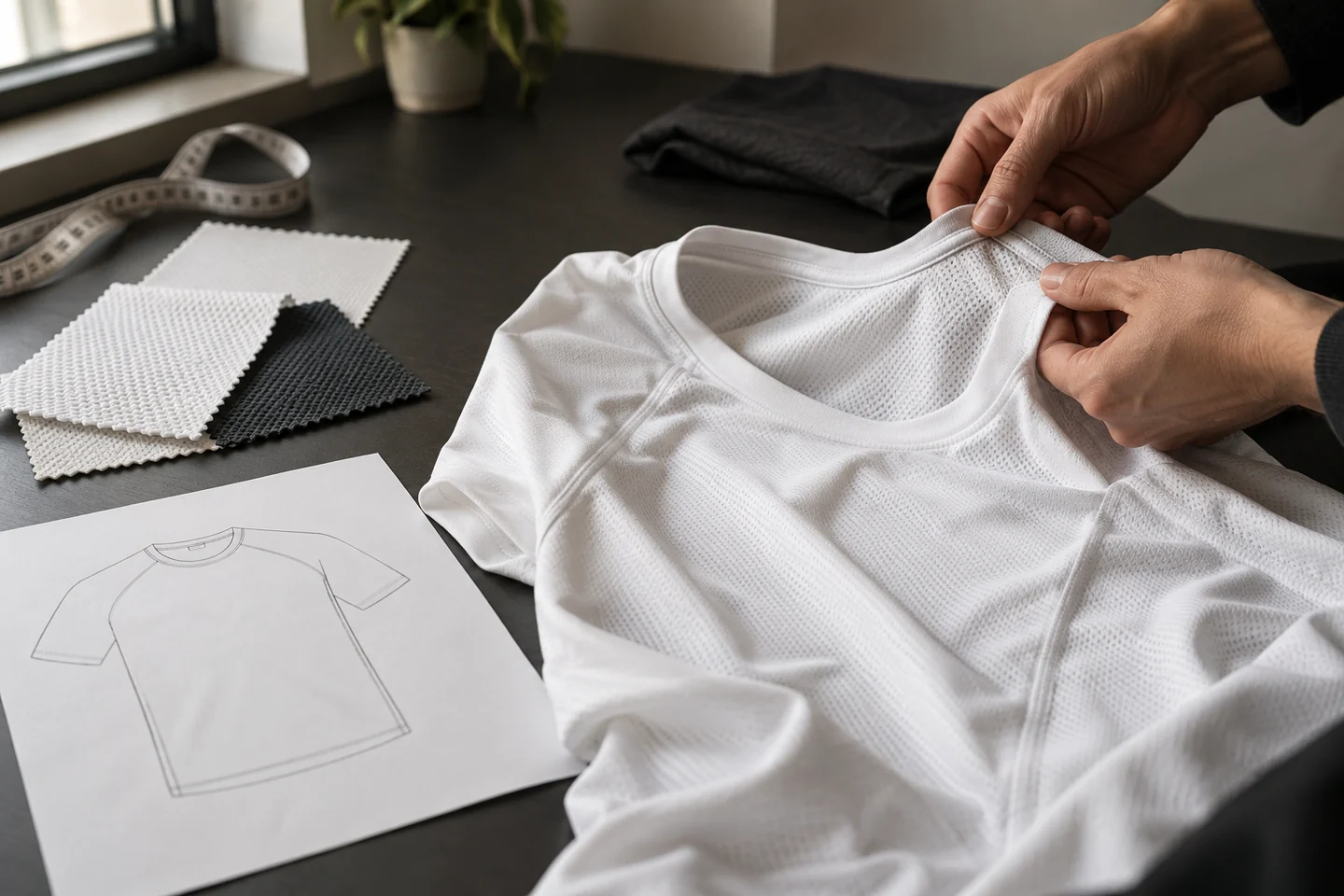
A collection becomes difficult to repeat when a design file, a fit decision and a packing instruction all live in different conversations. Start with one product brief and one person authorised to approve its next revision.
Your project in practice
A private-label launch with several garment shapes and one visual identity. Resolve what is new development, what follows your specification and what adapts an existing style before comparing quotations.
What to bringList garment families, target wearer, intended fit and the role of each piece in the collection.
What to confirmApprove a separate specification and measurement reference for each style. A coordinated collection is not one shared pattern.
What to bringProvide authorised logos, vector artwork, physical placement dimensions, label text and packing artwork.
What to confirmCheck artwork on the garment panels, neck openings, seams and separate lower-body pieces; approve each file version.
What to bringDescribe handle, weight target, coverage, stretch needs and what the sample must demonstrate.
What to confirmLink any fabric choice to an identified physical reference. A swatch approval does not approve garment fit or decoration.
What to bringState destination, intended sales channel, required documentation and how you identify repeat styles.
What to confirmAgree label wording, document scope, version retention and change review. Do not assume certification, exclusivity or reserved materials.
Build the product scope
Explore the groups and select only the products you want. Product selection is optional and quantities can stay open in your enquiry. Nothing is sent here.
Best starting point when you already control the measurements, construction and artwork. Use these catalogue records to identify the garment family, not to replace your technical specification.
KR-MT-001A football shirt reference for neckline, panel layout and artwork-placement discussion.
View product details ↗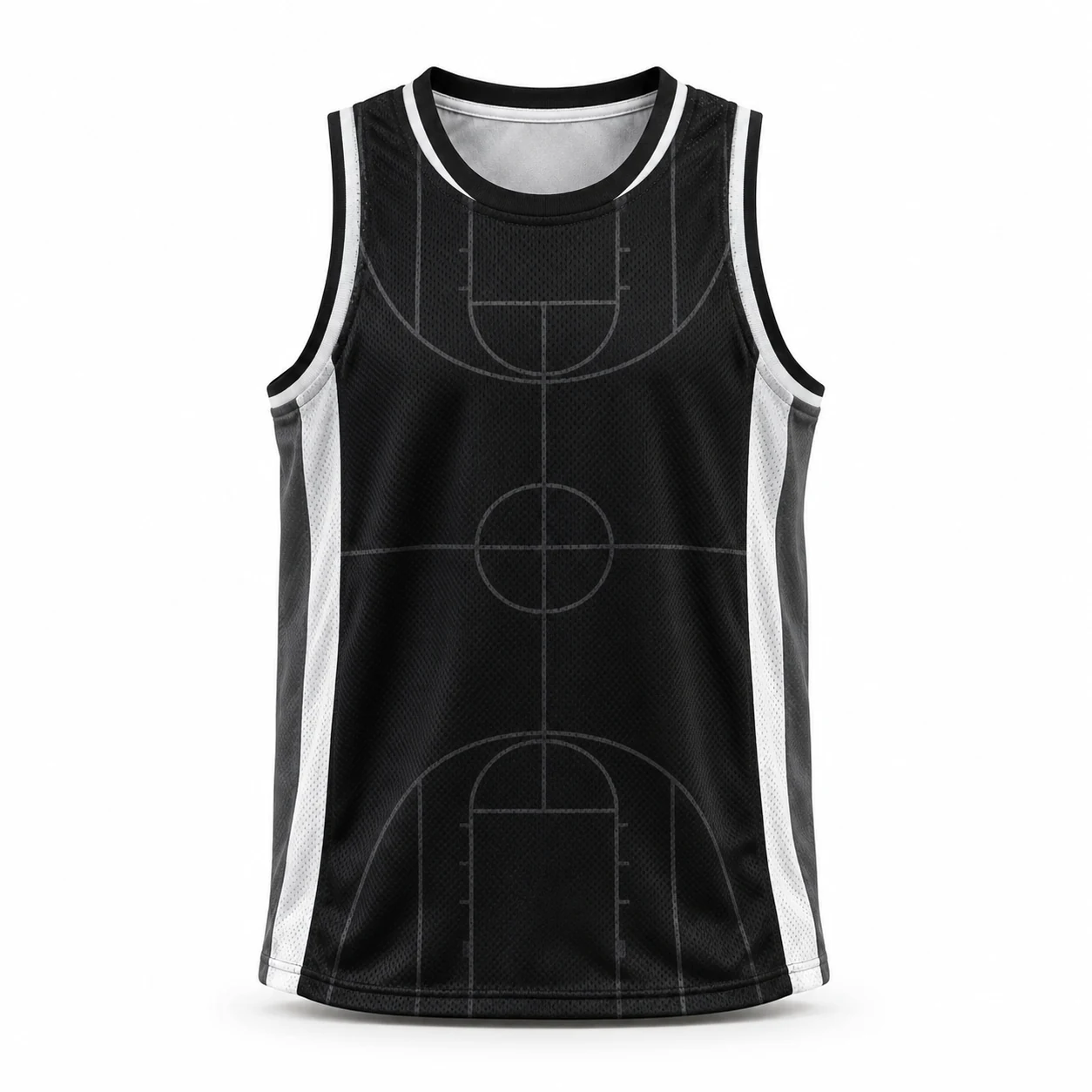 KR-MT-002
A separate sleeveless jersey reference; do not carry shirt measurements across automatically.
View product details ↗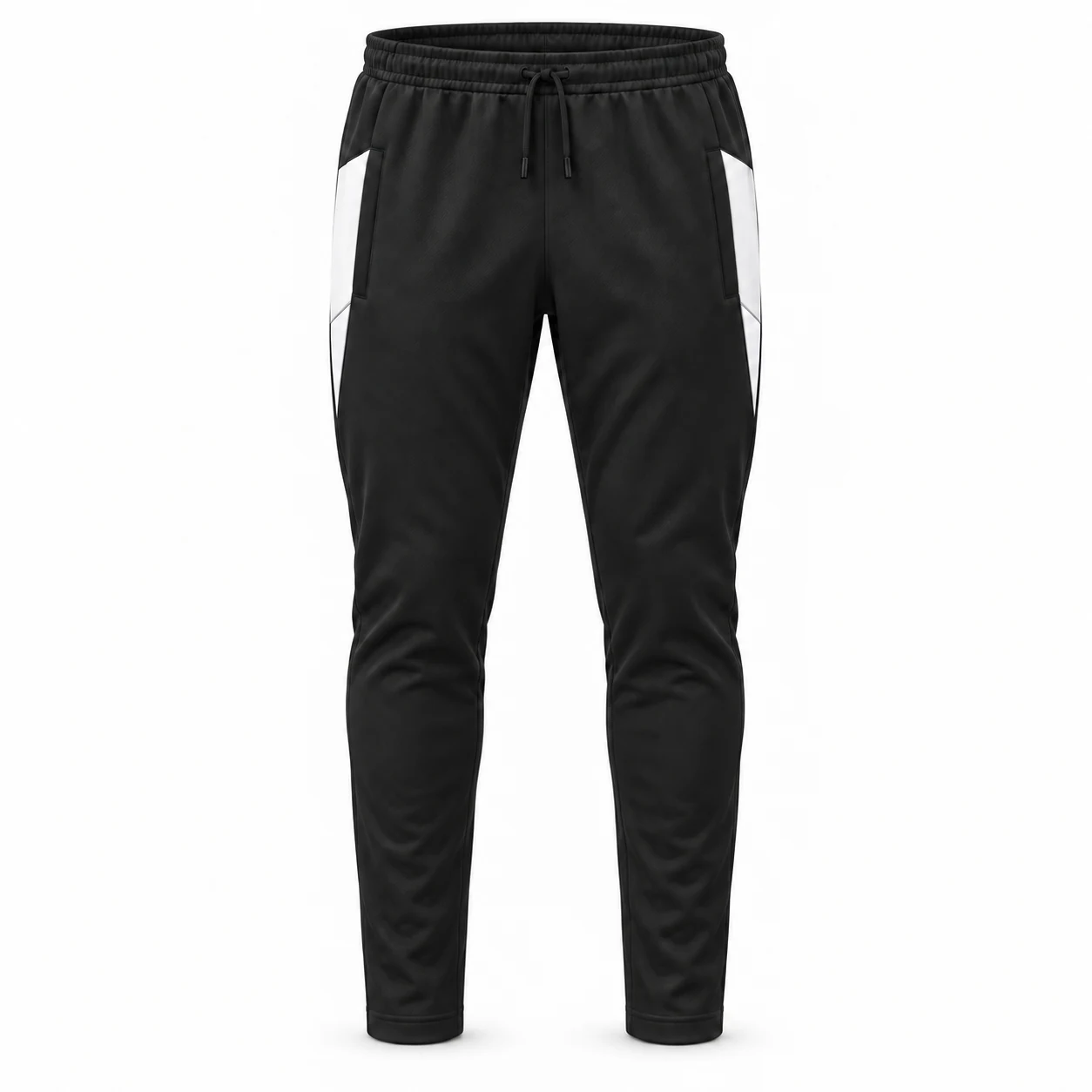 KR-TR-003
A lower-body record with its own fit, grading and quantity decisions.
View product details ↗Best starting point when you already control the measurements, construction and artwork. Use these catalogue records to identify the garment family, not to replace your technical specification.
Best starting point when you know the wearer, purpose and design direction but need to resolve the product specification. Prioritise one development decision at a time.
Best starting point when a current shape is close to your needs. First distinguish an artwork change from a change to pattern, fabric or construction.
Choose with the trade-off in view
Use when your team owns a sufficiently complete technical file.
More detail is ready at the start, but file completeness and change control still need review.
Use when the concept is clearer than the final garment specification.
Allow decisions and revisions for construction, fit and materials before production approval.
Use when a current base shape already meets most of the brief.
Keep the existing construction unless a specific change is reviewed; this is not a promise of stock.
Buyer input / agreed output
Use this planning sequence when agreeing your order. It is not a completed inspection record.
Materials & relevant project context
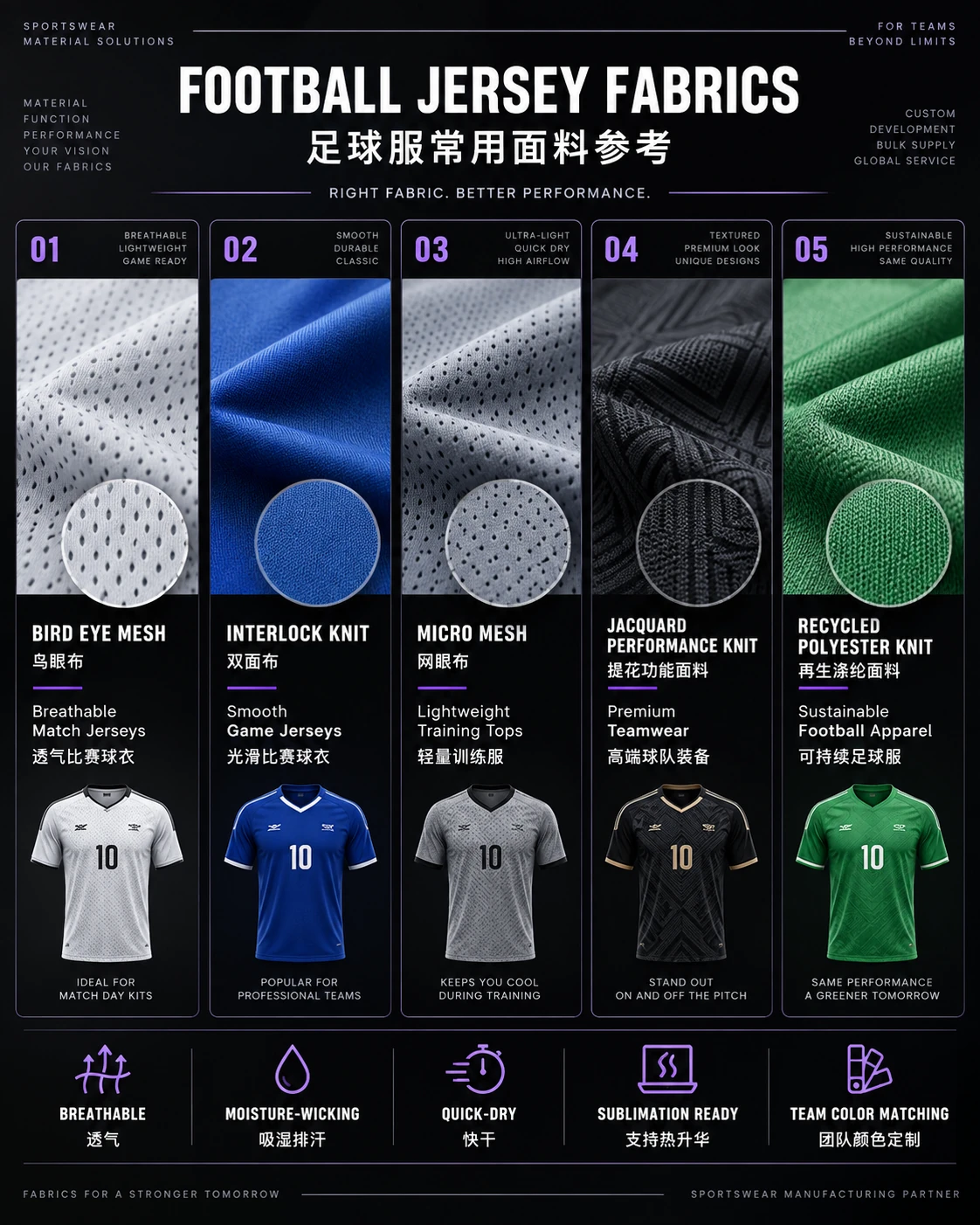
Explore the available authentic fabric details and compare a physical reference against the product you want to make. Garment construction, artwork and fit belong in the same review.
Explore material references →Review before approval
Choose the review scope for this project. Material, fit, artwork and packing approvals cover different decisions; a sample is not an automatic approval of the full order.
measurements, silhouette and grading questions.
artwork size, method and position on the chosen fabric.
approved garment, labels and packing version.
Confirm the reference, purpose, any fee, timing, shipping and who signs off. Record approved changes in the product specification before production release.
Review sample & order support ↗Start with what you know
Product choices and exact quantities are optional. Give us the requirements you already know; mark open decisions for discussion. You can attach your saved products or send requirements only in the shared project form.
Discuss this buyer brief ↗Review your saved products ↗General guidance confirmed 30 September 2026. Your quotation defines the applicable product, quantity unit and start point.
Sampling takes 15–20 days, with the sample type and starting point confirmed for the actual project. Production or dispatch timing does not include international freight, customs or final delivery unless the quotation states otherwise.
Review samples, approval and delivery planning →Buyer questions
Yes. Start the enquiry with the wearer, garment family, intended use and available design references. List what is already decided and what needs development. A concept brief and a production-ready technical file are different starting points.
List the label wording, placement, dimensions, care information and packing artwork separately from the garment design. Identify who supplies and approves each file. The chosen construction and quotation determine the actual application.
Not necessarily. Separate colour and graphic edits from changes to pattern, fabric, grading or seams. That distinction makes the sample scope and the product-level quotation easier to compare.
Keep the approved product reference, measurement sheet, fabric reference, artwork version, label and packing files, plus the size and quantity breakdown. A reorder still needs its own availability and terms review; an archived file is not a stock reservation.
Send only files you are authorised to use. State any confidentiality, ownership or permitted-use requirements in the brief so the parties can confirm them in writing before development or production.
Your project, your decisions
Start with this buying route and your selected products above. Share the quantities, destination and desired arrival date you know; leave the rest for discussion.
Prepare your enquiry ↑Compare other buyer routes →