
The decision in one paragraph
Staff and travel wear should be briefed against the work performed, not a generic technical-fabric label. Separate coaches, officials, volunteers and travelling team members where their movement, fit or issue quantities differ. Then confirm whether a staff cut can share fabric or colour with the player range.
Separate the wearer groups
List coaches, match officials, volunteers, operations staff and travelling team members independently. Record the activity, shift length, climate and presentation requirements for each.
One shared colour direction does not require every group to use the same product or fabric.
Choose the product after the job is clear
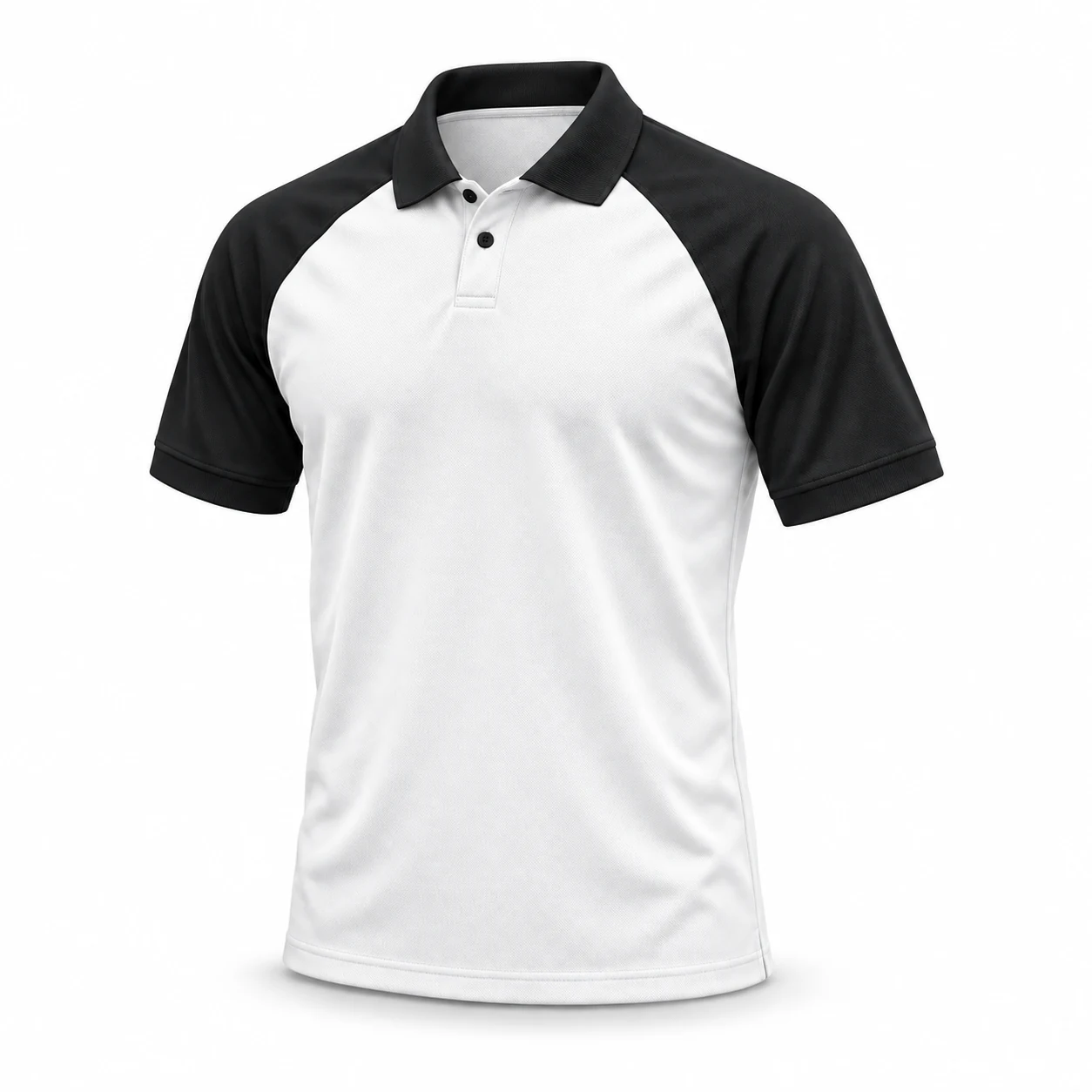
A polo may suit presentation and checkpoint roles, while a hoodie, jacket or training layer answers a different use. Describe movement, layering, pocket and care needs before naming a material.
The current catalogue is a starting point. Fabric, fit, supply and any specialist feature remain project-specific.
Control staff fit and shared fabric decisions
Treat a staff cut as a separate product even when it uses the team identity. Provide the intended fit, wearer range and a measurement reference.
Ask whether it can share a fabric run with player garments. A matching colour does not prove a shared minimum or construction.
Run a controlled movement review
Agree the review conditions before treating wearer feedback as an approval record.
| Review input | Record |
|---|---|
| Wearer and size | Product, size and intended fit |
| Activities | Standing, reaching, carrying, sitting or travel |
| Environment | Indoor, outdoor, temperature and layering |
| Outcome | Observed issue, decision and required change |
Plan quantities and replacement pieces
Keep issue quantities, spares and replacements visible by product and wearer group.
If personal names, roles or departments are used, control them in one approved file and collect only the information needed for fulfilment.
Select by the shift, not by a generic technical label
A volunteer standing at a checkpoint, a coach moving equipment and a travelling team member can share branding but have different clothing needs. List indoor or outdoor use, expected layering, movement and presentation for each role. Ask who approves appearance and who collects wearer feedback; those can be different people.
Compare the garment directions against those tasks. A polo, hoodie and outer layer are not interchangeable simply because the same logo fits them. Describe the proposed material and fit through the product record, and leave specialist performance requirements for a specific supplier proposal and relevant evidence.
| Role context | Brief priorities | Practical sample review |
|---|---|---|
| Checkpoint or welcome staff | Identification, coverage and presentation | Standing, reading equipment and normal reaching |
| Coaches or operations crew | Layering, access and movement | Carrying agreed dummy items and seated access |
| Travelling team members | Sitting, changing and a coordinated appearance | Fit in the intended travel routine |
| Mixed school staff group | Independent fit and issue quantities | Representative wearer review and a controlled size record |
Make a wearer review useful without calling it a lab test
Give the tester a product reference, chosen size and a short list of ordinary tasks. Ask for observations at specific locations: sleeve reach, collar contact, hem lift, pocket access or seated fit. Keep the comparison conditions consistent enough to interpret a revision. A comment such as “comfortable” is less actionable than a location and a task.
Separate fit feedback from formal performance evidence. A successful activity-shift trial does not establish a laboratory claim or guarantee every wearer’s experience. Collect only the wearer data needed to select and fulfil garments. Do not put staff rosters, personal contact details or a school’s private operational schedule into public marketing content.
Coordinate the brand while preserving purchasing control
Illustrative planning scenario: the school wants student match shirts and a staff polo in the same visual family. Provide the separate product definitions and ask whether any material or colour sourcing can be shared. The staff cut, quantities and approval owner remain independent. A matching screen reference does not prove a shared fabric minimum or identical finished shade.
Compare actual materials under agreed lighting when cross-product colour matters. X-Rite’s metamerism explanation is a reminder to define viewing conditions, not evidence that the website operates a specific colour laboratory. Close the issue plan by role, product and size, with deliberate spare quantities and an owner for replacements. Common mistakes are issuing one garment to every job and collecting sizes before the product and fit reference are selected.
- Role, activity and clothing priorities
- Independent product and wearer quantities
- Garment measurement reference before size collection
- Controlled practical feedback and revision
- Authorised branding and data minimisation
- Issue, spare and replacement responsibility
What to confirm for your project
- Staff roles and activities
- Product by wearer group
- Fit and size evidence
- Fabric-sharing assumption
- Branding and personalisation
- Movement-review and issue plan
MOQ, sampling conditions, production timing, exact material options and service scope are confirmed for the specific product and order. This guide does not replace a current quotation, approved sample or production specification.
Questions to carry into supplier review
- Do volunteers need the same product as coaches?
- Can staff garments share colour but use a different fabric?
- Who approves replacement items?
Questions buyers ask next
Do checkpoint volunteers automatically need technical running fabric?
No. Start with their actual standing, movement, coverage, care and presentation needs. Then compare product and material proposals. A participant running shirt is not automatically the right staff garment.
Can staff garments share a colour with the player range?
A shared colour direction can be requested, but compare the actual materials and decoration routes. Treat accepted shade differences explicitly and do not assume that visual coordination creates a common material minimum.
How can real-shift feedback support uniform approval?
Use a named sample, chosen size and agreed ordinary tasks, then record specific observations and revisions. It supports the decisions reviewed under those conditions; it is not a substitute for a formal performance test.
What should be decided before collecting staff sizes?
Select the product direction, intended fit and garment measurement reference. Establish who owns the size record and approval. Retail labels from different garments should not be merged into one unqualified size column.
How should replacement staff garments be planned?
Retain separate product, size, role and branding records, and identify the replacement approver. Confirm current product availability and reorder conditions rather than assuming the original programme terms persist unchanged.
Technical references and question evidence
- Technical referenceISO 8559-1:2017 — Body measurement definitions; confirmed 2026
- Technical referenceAATCC standard test methods and procedures
- Technical referenceX-Rite — Metamerism and changes in viewing light
Technical references support the discussion method. Question evidence documents public discussion of an issue; it does not diagnose a KITOEM product or establish a test result.